Coconut Oil on Skin: Safe or Sensitizing? The Evidence-Based Answer
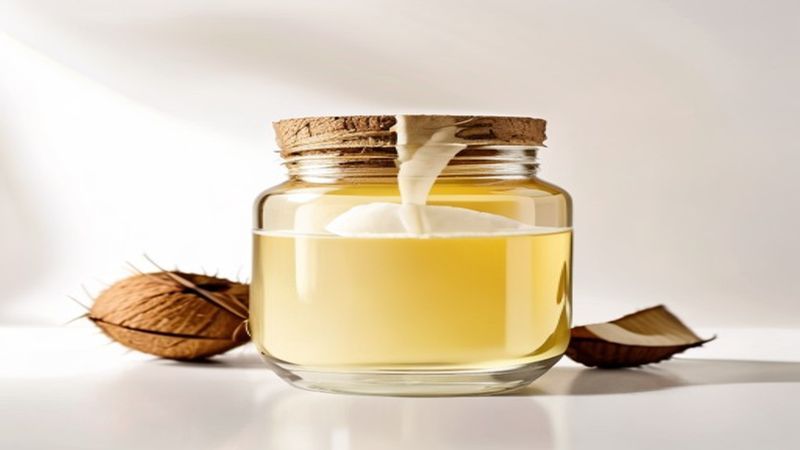
Coconut oil has become one of the most popular natural skincare ingredients in the world. Social media is full of claims that it moisturizes, heals eczema, removes makeup, and gives you glowing skin. But dermatology offices are also full of patients whose skin got worse after they started using it. The truth is that coconut oil is a genuinely complicated ingredient — it has real benefits in some contexts, real risks in others, and a vast number of hidden derivatives that show up in products you would never associate with coconut.
This guide breaks down the evidence: what coconut oil actually does to skin, who should avoid it, how to identify coconut-derived ingredients in your products, and what alternatives are safer for breakout-prone or allergy-prone skin.
Coconut Oil's Comedogenic Rating: Why It Clogs Pores
On the standard comedogenicity scale of 0-5, coconut oil scores a 4 — meaning it has a high likelihood of clogging pores. For context:
- 0 (non-comedogenic): Mineral oil, squalane, hemp seed oil
- 1 (slightly comedogenic): Argan oil, shea butter
- 2 (moderately comedogenic): Jojoba oil, sweet almond oil
- 3 (moderate-to-high): Avocado oil, soybean oil
- 4 (high): Coconut oil, cocoa butter, flaxseed oil
- 5 (highest): Wheat germ oil, isopropyl myristate
Coconut oil's high comedogenic potential comes from its fatty acid profile. It is composed of approximately 49% lauric acid, 18% myristic acid, and 8% palmitic acid — all saturated fatty acids that are solid at room temperature. These fatty acids create an occlusive film on the skin that traps sebum inside the follicle, creating the conditions for comedone formation.
The comedogenic breakout from coconut oil is typically slow to appear. You may use coconut oil for 2-4 weeks before noticing an increase in closed comedones (skin-colored bumps) and blackheads. This delayed timeline makes it hard to connect the oil to the breakout, especially if you started other products around the same time. For more on distinguishing comedogenic breakouts from allergic reactions, see our guide on acne vs. allergic reaction.
True Coconut Allergy: Contact Dermatitis from Coconut
Beyond clogging pores, coconut can cause genuine allergic contact dermatitis. This is an immune-mediated reaction — your T-cells recognize a component of coconut as a threat and launch an inflammatory response.
True contact allergy to coconut oil is relatively uncommon but well-documented. The allergenic components are believed to be proteins and certain fatty acid esters present in the oil. Reactions present as:
- Red, itchy, eczematous patches at the application site
- Delayed onset (24-72 hours after application)
- Possible vesicles (small blisters) in acute cases
- Reactions that worsen with continued use rather than resolving
The critical distinction is between a comedogenic breakout (bumps without significant itching, slow onset, comedones present) and an allergic reaction (intense itching, rapid onset within days, no comedones, eczematous patches). If coconut oil makes your skin itch intensely and turn red within a few days, you may have a true allergy rather than just a comedogenic reaction.
Diagnosis requires professional patch testing with coconut oil and its individual components. If you suspect coconut allergy, a dermatologist can test you with coconut diethanolamide, coconut fatty acids, and specific coconut-derived surfactants to determine exactly which component you react to.
Coconut Derivatives in Cosmetics: They Are Everywhere
Even if you avoid pure coconut oil, you are almost certainly using coconut-derived ingredients in other products. Coconut derivatives are among the most widely used cosmetic raw materials in the world, appearing in shampoos, body washes, cleansers, conditioners, toothpastes, and makeup. Here are the most common ones:
Cocamidopropyl Betaine (CAPB)
Cocamidopropyl betaine is a surfactant derived from coconut oil and dimethylaminopropylamine. It is used in shampoos, body washes, facial cleansers, and intimate hygiene products as a gentle, amphoteric surfactant that produces foam and reduces the harshness of primary surfactants like sodium laureth sulfate.
CAPB is one of the most common contact allergens in personal care products. It was named the American Contact Dermatitis Society's Allergen of the Year in 2004. The allergenicity is primarily attributed to impurities from the manufacturing process — specifically 3-dimethylaminopropylamine (DMAPA) and cocamidopropyl dimethylamine (amidoamine) — rather than the CAPB molecule itself. However, from a practical standpoint, if you react to CAPB, you need to avoid it regardless of which component is the actual allergen.
Coco-Glucoside
Coco-glucoside is a non-ionic surfactant made from coconut-derived fatty alcohols and glucose. It is considered one of the gentlest surfactants available and is frequently used in products marketed as "sensitive skin" or "natural." While it is less commonly allergenic than CAPB, reactions have been reported, and individuals with documented coconut sensitivity should exercise caution.
Sodium Cocoyl Isethionate (SCI)
SCI is the primary surfactant in most syndet (synthetic detergent) bars, including many dermatologist-recommended "gentle" cleansing bars. It is derived from coconut fatty acids and isethionic acid. SCI is generally well-tolerated and has a low irritation profile, but cross-reactivity in coconut-sensitive individuals is possible.
Other Coconut Derivatives
- Caprylic/capric triglyceride: An emollient derived from coconut oil, widely used in moisturizers, serums, and foundations. Generally well-tolerated and lower in comedogenic potential than whole coconut oil.
- Cetearyl alcohol: A fatty alcohol that can be derived from coconut or palm oil. Used as an emollient and emulsifier. Not typically allergenic but can be comedogenic for some individuals.
- Sodium coco sulfate: A surfactant sometimes used as an alternative to sodium lauryl sulfate. Despite the different name, it contains SLS as a component and can be irritating.
- Cocamide MEA/DEA: Foam stabilizers derived from coconut fatty acids. DEA (diethanolamine) compounds have raised some safety concerns beyond allergenicity.
To check whether your products contain coconut derivatives, paste the ingredient list into SkinDetekt's ingredient checker. The tool identifies coconut-derived ingredients even when they appear under their INCI chemical names.
Cross-Reactivity: Palm Oil, Tree Nuts, and Other Connections
One common question is whether coconut allergy means you should also avoid palm oil, tree nuts, or other botanically related substances.
Coconut and palm oil: Coconut (Cocos nucifera) and palm (Elaeis guineensis) are both palm family plants, and their oils share some similar fatty acid profiles. Cross-reactivity between coconut and palm-derived ingredients has been reported in case studies, though it is not universal. If you have confirmed coconut allergy, it is worth discussing palm oil sensitivity with your dermatologist and being cautious with palm-derived ingredients like palm kernel oil and palm-based surfactants.
Coconut and tree nuts: Despite its name, coconut is botanically classified as a drupe (stone fruit), not a true tree nut. The FDA classifies coconut as a tree nut for labeling purposes, but clinical cross-reactivity between coconut and tree nuts (almonds, walnuts, hazelnuts) is extremely rare. Most people with tree nut allergy can safely use coconut, and vice versa. However, if you have multiple food allergies, consult an allergist for individualized guidance.
Coconut and shea butter: Shea butter (Butyrospermum parkii) is from the sapotaceae family and is not botanically related to coconut. Cross-reactivity is not expected, and shea butter (comedogenic rating 0-2) is generally a safe alternative for coconut-sensitive individuals.
Who Should Avoid Coconut Oil on Skin
Based on the evidence, the following groups should avoid applying coconut oil to the face:
- Acne-prone skin: The 4/5 comedogenic rating makes coconut oil one of the worst oils for acne-prone skin. Even one application can initiate comedone formation.
- Oily skin: Adding an occlusive, saturated-fat-heavy oil to already-oily skin increases the likelihood of pore blockage.
- Confirmed coconut allergy: If patch testing has confirmed sensitivity to coconut or coconut derivatives, avoid coconut oil and check all products for coconut-derived ingredients.
- People with perioral dermatitis: The heavy, occlusive nature of coconut oil makes it a potential trigger for PD.
- Anyone using it as a makeup remover: While coconut oil dissolves makeup effectively, the residue left behind after cleansing is highly comedogenic. Oil cleansing with coconut oil is one of the most common causes of "sudden" breakouts discussed in skincare forums.
Coconut oil may be acceptable for body moisturizing (where pores are less susceptible to clogging), for hair care (applying to hair strands, not scalp), and for very dry, non-acne-prone body skin. Even in these contexts, patch testing is recommended.
Safer Alternatives for Moisturizing
If you are looking for natural oil alternatives that provide similar moisturizing benefits without the comedogenic or allergenic risks of coconut oil:
- Squalane (comedogenic rating 0-1): Derived from olives or sugarcane, squalane is lightweight, non-comedogenic, and structurally similar to your skin's own sebum. It absorbs quickly and does not leave a greasy residue.
- Jojoba oil (rating 2): Technically a liquid wax, jojoba oil closely mimics human sebum in composition. It is well-tolerated by most skin types, including oily and acne-prone skin. The low comedogenic rating and excellent skin-feel make it one of the best facial oil options.
- Hemp seed oil (rating 0): Rich in linoleic acid and gamma-linolenic acid, hemp seed oil is non-comedogenic and has anti-inflammatory properties. It is particularly beneficial for oily skin, as linoleic acid-rich oils have been shown to reduce sebum viscosity.
- Sunflower seed oil (rating 0-1): Linoleic acid-rich and evidence-backed for skin barrier repair. A 2013 study found that sunflower seed oil improved skin barrier function in adults with compromised skin barriers.
- Mineral oil (rating 0-1): Despite widespread misconceptions about mineral oil clogging pores, pharmaceutical-grade mineral oil is actually one of the least comedogenic moisturizing agents available. It is odorless, non-allergenic, and highly effective as an occlusive moisturizer.
For the body, shea butter, cocoa butter (note: also comedogenic rating 4, avoid on face), and ceramide-based creams provide rich moisturization without the coconut-specific allergy risk.
Concerned about coconut in your products? Use SkinDetekt's ingredient checker to scan any product for coconut-derived ingredients — including derivatives like cocamidopropyl betaine, coco-glucoside, and sodium cocoyl isethionate that you might not recognize on a label. Compare products to find coconut-free alternatives, and browse our ingredient database to research individual coconut derivatives and their safety profiles.
Frequently Asked Questions
Is coconut oil comedogenic?
Yes. Coconut oil has a comedogenic rating of 4 out of 5 on the standard comedogenicity scale, meaning it has a high likelihood of clogging pores for most skin types. This rating is based on the rabbit ear assay and human clinical studies. The high comedogenic potential is primarily due to its lauric acid content and its occlusive, heavy texture. People with oily or acne-prone skin should avoid applying virgin coconut oil to the face. Even those with dry skin should be cautious, as comedonal breakouts may take 2-4 weeks to appear after starting use.
Can you be truly allergic to coconut oil?
Yes, though true coconut allergy is relatively uncommon. Contact allergy to coconut oil itself (as demonstrated by positive patch test to coconut diethanolamide or coconut oil) has been documented in clinical literature. More commonly, people react to coconut-derived surfactants and emulsifiers — particularly cocamidopropyl betaine (CAPB), which is one of the most frequently positive allergens on the North American Contact Dermatitis Group screening series. If you react to coconut oil, you should be tested for allergy to coconut derivatives separately, as the allergenic component may be different.
What are coconut-derived ingredients in cosmetics?
Coconut-derived ingredients are extremely common in cosmetics and personal care products. Major ones include cocamidopropyl betaine (CAPB, a surfactant in shampoos and cleansers), coco-glucoside (a gentle surfactant), sodium cocoyl isethionate (SCI, the primary surfactant in many syndet bars), sodium coco sulfate, cocamide MEA/DEA, caprylic/capric triglyceride, cetearyl alcohol (sometimes coconut-derived), and coco-caprylate. These are chemically processed and may or may not trigger reactions in people with coconut sensitivity, depending on whether the allergenic protein or fatty acid component survives processing.
Is coconut oil safe for eczema?
The evidence is mixed. Virgin coconut oil has demonstrated anti-inflammatory and skin barrier repair properties in some studies, and a 2014 randomized controlled trial found it superior to mineral oil for reducing Staphylococcus aureus colonization and improving skin barrier function in pediatric atopic dermatitis. However, coconut oil is also a known allergen for some individuals, and its comedogenic potential makes it problematic for the face. If you want to try coconut oil for eczema, patch test first, use it only on the body (not face), and discontinue if you develop new bumps, itching, or redness.
What are good alternatives to coconut oil for moisturizing?
For facial moisturizing, squalane (comedogenic rating 0-1), jojoba oil (rating 2, structurally similar to sebum), and hemp seed oil (rating 0) are well-tolerated, non-comedogenic options. For body moisturizing where comedogenicity is less of a concern, shea butter, sunflower seed oil (which has evidence for improving skin barrier function), and mineral oil (comedogenic rating 0-1 despite misconceptions) are effective alternatives. For people with coconut allergy specifically, check that alternatives are not also palm-derived, as cross-reactivity between coconut and palm oils has been reported in some cases.
Find your personal cosmetic triggers
SkinDetekt tracks your products and reactions, then uses AI to identify which ingredients cause YOUR skin reactions.
Download on App Store