Histamine Intolerance and Skin Reactions: Can Your Skincare Make It Worse?
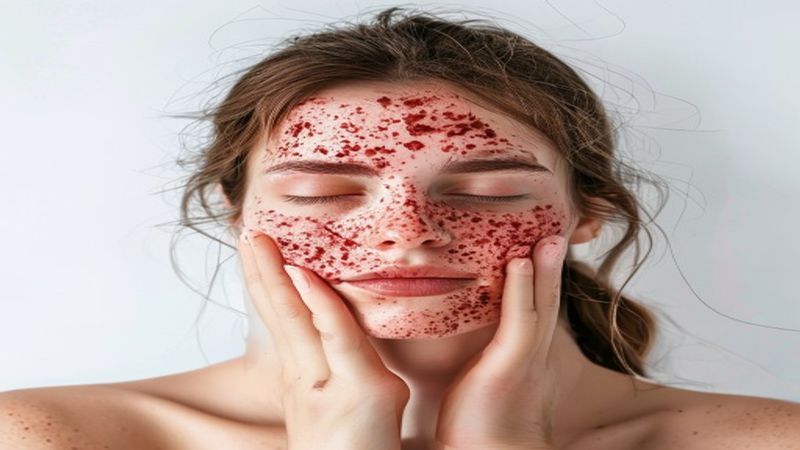
If your skin regularly flushes, itches, or breaks out in hives without a clear trigger — and standard patch testing has come back negative — histamine intolerance may be the missing piece. Histamine intolerance and mast cell dysfunction cause skin reactions that look almost identical to cosmetic allergies, but respond to completely different interventions. Understanding the distinction can save you years of eliminating the wrong products.
This guide covers how histamine intolerance manifests in the skin, which cosmetic ingredients are most likely to trigger histamine release, and what a low-histamine skincare routine looks like in practice.
What Is Histamine Intolerance?
Histamine is a signalling molecule involved in immune responses, digestion, and neurotransmission. In the skin, it is primarily stored in mast cells and basophils. When these cells are activated — by allergens, irritants, heat, stress, or certain foods and chemicals — they release histamine, which binds to H1 receptors in blood vessels and nerves, producing the classic histamine response: vasodilation (redness, flushing), increased vascular permeability (swelling, hives), and nerve stimulation (itching, stinging).
In most people, histamine is rapidly broken down by two enzymes: diamine oxidase (DAO) in the gut and histamine N-methyltransferase (HNMT) in tissue. Histamine intolerance occurs when histamine intake or production exceeds the body's capacity to break it down — often due to reduced DAO activity, genetic polymorphisms in the DAO or HNMT genes, or underlying conditions including eczema, inflammatory bowel disease, or mast cell activation syndrome (MCAS).
The result is a "bucket effect": when total histamine load (dietary + endogenous + topical) exceeds capacity, symptoms overflow. This explains why reactions seem unpredictable — a product that was fine last month triggers a reaction today because other histamine sources (a glass of wine, a stressful week, a dietary change) have raised your baseline load.
How Histamine Intolerance Differs from Cosmetic Allergy
This distinction matters enormously for choosing the right approach:
Allergic contact dermatitis (ACD) is a T-cell mediated delayed hypersensitivity reaction. It develops after a sensitization period (weeks to years of exposure), produces localised eczema-like patches typically 24–72 hours after contact, and is reproducible to a specific allergen. Patch testing identifies the allergen and avoidance resolves the reaction.
Histamine-mediated reactions are faster (minutes to 1–2 hours), often affect larger areas or multiple sites simultaneously, may include systemic symptoms (headache, nasal congestion, rapid heartbeat), and are negative on patch testing. The trigger is not a specific allergen but anything that raises histamine load. Avoidance of the last product used will not reliably prevent the next reaction if histamine load from other sources is still high.
If your reactions fit the histamine pattern — rapid onset, widespread flushing or urticaria, inconsistent triggers, and negative patch testing — consult an allergist for DAO enzyme testing and a dietary histamine elimination trial before assuming all your skincare is the problem.
| Feature | Allergic Contact Dermatitis | Histamine Intolerance |
|---|---|---|
| Immune mechanism | Type IV — T-cell mediated | Mast cell degranulation / DAO deficiency |
| Onset after exposure | 24–96 hours (delayed) | Minutes to 2 hours (rapid) |
| Reaction area | Localised to contact site | Often widespread or systemic |
| Patch test result | Positive to specific allergen | Typically negative |
| Trigger pattern | Reproducible to one allergen | Variable — depends on total histamine load |
| Systemic symptoms | Rare | Common (headache, congestion, palpitations) |
| Diagnosis test | Patch testing (dermatologist) | DAO enzyme blood test (allergist) |
| Management | Avoid specific allergen | Lower total histamine load (diet + skincare) |
Cosmetic Ingredients That Trigger Histamine Release
The following ingredients are either direct mast cell degranulators (they physically trigger histamine release without an allergen-antibody reaction) or contain biogenic amines including histamine itself:
Alcohol (Ethanol / Alcohol Denat.)
Ethanol is one of the most potent topical mast cell triggers. It causes direct degranulation at concentrations commonly found in toners, astringents, and serums (20–50%). The flush and redness that many people experience from alcohol-containing products is a histamine-mediated response. For histamine-intolerant skin, alcohol denat. in the first five ingredients of any product is a strong red flag. Check with the ingredient checker if unsure of concentration.
Fragrances and Essential Oils
Many fragrance components — particularly cinnamal (cinnamon), eugenol (clove), geraniol (rose/geranium), and linalool (lavender) — are both contact allergens and histamine liberators. For histamine-intolerant individuals, fragrance-free products are not just preferable — they are often essential. See our guide to fragrance-free skincare for verified fragrance-free options.
Niacinamide Above 5%
At concentrations above 5%, niacinamide can trigger cutaneous mast cells to release histamine, producing the characteristic "niacinamide flush" — transient redness, tingling, and warmth. This is a pharmacological effect of the ingredient, not a true allergy, and typically resolves within 20–30 minutes. Histamine-intolerant individuals may experience more pronounced or prolonged reactions. Reducing to 2–4% or choosing a buffered formula with slower absorption usually eliminates this. See our full analysis of niacinamide skin reactions.
Fermented Skincare Ingredients
Fermented ingredients — galactomyces ferment filtrate, lactobacillus ferment, kombucha, sake, and similar — have become popular in Korean-influenced skincare for their purported brightening and barrier benefits. However, fermentation produces biogenic amines including histamine as a byproduct. The concentration in finished products varies widely and is rarely disclosed. For histamine-intolerant individuals, fermented ingredient products represent an unpredictable histamine source. When in doubt, opt for non-fermented equivalents (plain glycerin, panthenol, or centella asiatica extract that has not been fermented).
Witch Hazel and Tannin-Rich Plant Extracts
Witch hazel (Hamamelis virginiana) is widely used as a natural astringent and anti-inflammatory, but it contains tannins that act as mast cell stabilizers at low concentrations — and mast cell triggers at higher ones. It also contains alcohol in many commercial preparations. Plant extracts high in tannins (green tea, pomegranate, oak bark) present a similar dose-dependent paradox. Histamine-intolerant individuals often react to witch hazel even in "natural" formulations.
Preservatives: Benzyl Alcohol and Phenoxyethanol
Benzyl alcohol — a common preservative in "paraben-free" formulations — is both a contact allergen and a histamine liberator. Phenoxyethanol, another widely used preservative, has lower sensitization rates but can still trigger reactions in highly reactive individuals. For histamine-intolerant skin, the safest preservative options are typically potassium sorbate and sodium benzoate at low concentrations, or products with a low water activity that require minimal preservation.
Building a Low-Histamine Skincare Routine
For confirmed or suspected histamine intolerance, the following framework reduces topical histamine triggers while maintaining skin function:
Cleanser: Fragrance-free, alcohol-free, low-surfactant formula. Avoid gel cleansers with high alcohol content or witch hazel. CeraVe Hydrating Cleanser and Vanicream Gentle Facial Cleanser are widely tolerated.
Actives: Use niacinamide at 2–4% rather than 5–10%. Avoid retinoids during active flares — when the skin barrier is compromised, any active increases histamine-mediated reactivity. Introduce one active at a time with a minimum 4-week observation window. Use the skincare elimination method to systematically identify your triggers.
Moisturiser: Ceramide-based, fragrance-free, alcohol-free. Ceramide moisturisers strengthen the barrier, which reduces the skin's reactivity to histamine triggers over time. A stronger barrier means mast cells are less easily reached by topical triggers.
SPF: Mineral (zinc oxide or titanium dioxide) rather than chemical UV filters. Chemical filters like oxybenzone and avobenzone have lower allergenicity than once thought, but for highly reactive skin, physical blockers reduce the number of potential triggers. See our sunscreen guide for sensitive skin.
What to avoid entirely: Products with alcohol denat. in the top 5 ingredients, all fragranced products including "natural" ones, fermented ingredient serums, and high-dose niacinamide (above 5%).
When to See a Doctor
If you suspect histamine intolerance is contributing to your skin reactions, the appropriate specialist is an allergist-immunologist, not a dermatologist. Request DAO enzyme activity testing (blood test), a dietary histamine challenge protocol, and evaluation for MCAS if symptoms are systemic (not just skin). A dermatologist is appropriate for diagnosis of contact dermatitis; an allergist is appropriate for investigating histamine and mast cell disorders. Many people benefit from seeing both.
If you are tracking your products and reactions and want to separate ingredient-specific allergies from histamine-load patterns, the SkinDetekt ingredient checker can flag known histamine liberators in any product's ingredient list, helping you build a clearer picture of your personal trigger profile before your specialist appointment.
Frequently Asked Questions
Can skincare products trigger histamine intolerance reactions?
Yes. Certain cosmetic ingredients — particularly alcohol (ethanol), fragrances, preservatives like benzyl alcohol, and some plant extracts — can directly trigger mast cell degranulation and histamine release in the skin, even without a true IgE-mediated allergy. People with histamine intolerance or mast cell activation syndrome (MCAS) are particularly susceptible. The reaction looks identical to an allergic reaction: redness, itching, flushing, and hives.
What is the difference between histamine intolerance and a cosmetic allergy?
A cosmetic allergy (allergic contact dermatitis) is an immune response mediated by T-cells that develops after repeated exposure to a specific allergen. It produces localised eczema-like patches, typically 24–72 hours after exposure. Histamine intolerance reactions are faster (minutes to an hour), often systemic (flushing, itching across multiple areas), and are triggered by anything that raises histamine levels — dietary sources, stress, medications, or topical triggers — not a single specific allergen. Patch testing is positive in allergy; it is typically negative in histamine intolerance.
Which skincare ingredients are worst for histamine intolerance?
The highest-risk ingredients for histamine-intolerant skin include: alcohol denat. (ethanol) — a direct mast cell trigger; fragrances and essential oils (especially cinnamon, clove, lavender); niacinamide at concentrations above 5% (can cause histamine-mediated flushing); witch hazel; retinoids at high concentrations; and fermented ingredients (kombucha, galactomyces) which may contain biogenic amines including histamine itself.
Is niacinamide flushing the same as histamine intolerance?
The niacinamide flush is histamine-mediated but it is not the same as systemic histamine intolerance. Niacinamide at high concentrations (above 5–10%) can trigger mast cells in the skin to release histamine locally, producing temporary redness and tingling. This is a pharmacological effect of niacinamide itself, not a sign of intolerance or allergy. Reducing concentration to 2–5% or switching to a buffered formula typically eliminates the reaction entirely.
Can a low-histamine skincare routine reduce skin reactions?
For people with confirmed histamine intolerance or MCAS, yes — avoiding topical histamine liberators (alcohol, fragrances, high-dose niacinamide, fermented extracts) can significantly reduce skin reactivity. However, true histamine intolerance is primarily a dietary and systemic condition managed through diet (avoiding aged cheeses, wine, fermented foods) and sometimes antihistamines or DAO enzyme supplementation. Skincare adjustments help but are unlikely to resolve the condition on their own.
Find your personal cosmetic triggers
SkinDetekt tracks your products and reactions, then uses AI to identify which ingredients cause YOUR skin reactions.
Download on App Store