Contact Dermatitis from Cosmetics: Symptoms, Causes & When to See a Doctor
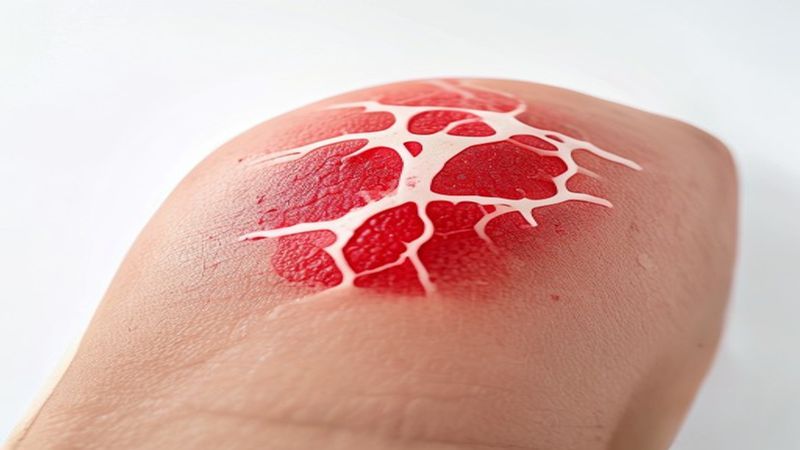
Redness, itching, burning, or a rash after using a cosmetic product? You may have contact dermatitis — the most common occupational skin disease and one of the most frequent skin conditions overall, affecting an estimated 15-20% of the general population at some point in their lives. In the context of cosmetics specifically, studies suggest that 1-10% of the population experiences adverse skin reactions to cosmetic products.
This comprehensive guide covers everything you need to know: the difference between irritant and allergic reactions, how to identify symptoms, the most common cosmetic causes, how dermatologists diagnose the condition, treatment options, and most importantly, how to prevent future reactions.
What Is Contact Dermatitis?
Contact dermatitis is an inflammatory skin reaction caused by direct contact with a substance. The term "dermatitis" simply means inflammation of the skin. There are two fundamentally different types, and understanding the distinction is crucial for proper management:
Irritant Contact Dermatitis (ICD) — 80% of Cases
Irritant contact dermatitis is caused by direct chemical or physical damage to the skin barrier. It is NOT an immune response — it can happen to anyone with sufficient exposure to the irritant. The severity depends on the concentration of the irritant, duration of exposure, and the integrity of the skin barrier.
Common cosmetic irritants include:
- Sodium Lauryl Sulfate (SLS) — A strong surfactant that strips the skin's natural oils
- Propylene glycol at concentrations above 5%
- Alpha-hydroxy acids (AHAs) like glycolic acid and lactic acid at high concentrations
- Retinol and retinoids — the "retinization" period is actually irritant dermatitis
- Benzoyl peroxide — Almost universally irritating at higher concentrations
- Alcohol (denat.) at high concentrations
Key characteristics of ICD: Usually develops quickly (minutes to hours), is dose-dependent (higher concentration = worse reaction), affects anyone with enough exposure, improves quickly when the irritant is removed, and feels more like burning/stinging than itching.
Allergic Contact Dermatitis (ACD) — 20% of Cases
Allergic contact dermatitis is a true immune response — a Type IV delayed hypersensitivity reaction mediated by T-cells. It requires prior sensitization: the immune system must first "learn" the allergen (which can take days to years of exposure), and then subsequent exposure triggers the inflammatory response.
Key characteristics of ACD: Develops 24-72 hours after exposure (delayed onset), is NOT dose-dependent (even tiny amounts can trigger a reaction in sensitized individuals), only affects people whose immune system has been sensitized, may worsen or persist even with continued low-level exposure, and itching is typically the dominant symptom.
The most common cosmetic allergens include fragrances, preservatives (especially MI and formaldehyde releasers), hair dye chemicals (PPD), and surfactants (cocamidopropyl betaine). See our full guide on Top 10 Cosmetic Allergens.
Symptoms: How to Recognize Contact Dermatitis
Symptoms can range from mild discomfort to severe, debilitating skin reactions. Here's what to watch for:
Acute Symptoms (First Reaction or Flare)
- Redness (erythema) — Ranges from mild pinkness to deep, angry red. Usually localized to the area where the product was applied.
- Itching (pruritus) — Often the first and most prominent sign of allergic contact dermatitis. Can be intense and difficult to resist scratching.
- Burning or stinging — More common with irritant reactions. May start immediately upon product application.
- Swelling (edema) — Particularly common around the eyes and lips, where skin is thinnest. Eyelid swelling from eye shadow or mascara allergens can be dramatic.
- Small blisters (vesicles) — In more severe allergic reactions, small fluid-filled blisters may develop. These may weep clear fluid when broken.
- Oozing and crusting — In severe cases, broken blisters lead to weeping, which dries into crusts.
Chronic Symptoms (Ongoing or Repeated Exposure)
- Dryness and scaling — Chronic inflammation disrupts the skin barrier, leading to persistent dryness.
- Thickening (lichenification) — Repeated scratching and chronic inflammation cause the skin to thicken and develop a leathery texture.
- Cracking and fissuring — Common on the hands and around the lips.
- Pigmentation changes — Post-inflammatory hyperpigmentation (darkening) or hypopigmentation (lightening) can occur, particularly in darker skin tones.
Most Commonly Affected Areas
The location of the rash often provides clues about the cause:
- Eyelids — Eye shadow, mascara, eyeliner, eye cream, nail polish (transferred by touching), airborne allergens
- Face — Moisturizers, cleansers, sunscreens, foundations, serums
- Neck — Perfume, moisturizer, necklace metals, airborne fragrance from hair products
- Scalp and hairline — Shampoo, conditioner, hair dye, styling products
- Hands — Hand soap, hand cream, nail products, cleaning products
- Lips — Lipstick, lip balm, toothpaste, lip liner
- Underarms — Deodorant, antiperspirant, shaving products
Important note: The rash doesn't always appear exactly where the product was applied. For example, nail polish allergens can cause eyelid dermatitis (from touching your face), and hairspray can cause neck or forehead dermatitis where it settles.
Common Cosmetic Causes by Category
Research from dermatology clinics worldwide consistently identifies these ingredient categories as the leading cosmetic allergens:
- Fragrances — The #1 cause, responsible for 30-45% of cosmetic allergies. See our fragrance allergens guide for details on the 26 EU-listed fragrance allergens.
- Preservatives — The #2 cause. Methylisothiazolinone and formaldehyde releasers are the worst offenders. See our preservative allergens guide.
- Hair dye chemicals — PPD and its relatives cause some of the most severe cosmetic allergic reactions, including facial swelling.
- Metals — Nickel in eye cosmetics, cobalt in pigments, chromium in green pigments. See our metal allergens guide.
- Surfactants — SLS is a universal irritant; cocamidopropyl betaine is a true allergen despite being marketed as "gentle."
- Botanical extracts and essential oils — Tea tree oil, lavender, ylang-ylang, chamomile, and propolis are noteworthy sensitizers. See our plant extract allergens guide.
- UV filters — Oxybenzone and octinoxate are the most common sunscreen allergens. See our UV filter allergens guide.
Getting a Diagnosis
Patch Testing — The Gold Standard
Patch testing is the definitive method for identifying allergic contact dermatitis. Here's how it works:
- Day 0 (Application): A dermatologist applies small chambers containing standardized concentrations of common allergens to your upper back using hypoallergenic tape. A standard European baseline series tests 30 allergens; extended series can test 80+ substances including specific cosmetic allergens.
- Day 2 (48-hour reading): The patches are removed and the skin is examined. Positive reactions show localized eczema (redness, swelling, tiny blisters) at the test site.
- Day 4 (96-hour reading): A second reading catches delayed reactions that weren't visible at 48 hours. This reading is crucial — some allergens (especially metals and fragrances) may not show reactions until 72-96 hours.
Interpreting results: Reactions are graded from + (weak positive: faint redness) to +++ (strong positive: vesicles, spreading reaction). Your dermatologist will help you understand which positive results are clinically relevant to your symptoms and which might be false positives or past relevance.
Important: Bring your own products to the patch test appointment. Many dermatologists can test your specific products ("patient's own products" testing) in addition to the standard allergen series.
Repeat Open Application Test (ROAT)
If patch testing is inconclusive, your dermatologist may recommend a ROAT. You apply the suspected product twice daily to a small area (usually the inner forearm) for up to 2 weeks. If a reaction develops, the product is confirmed as the cause.
Self-Guided Elimination Testing
If professional patch testing isn't immediately available, you can try a systematic elimination approach:
- Phase 1 — Elimination: Stop all cosmetic products. Use only a simple petroleum jelly (like Vaseline) as a moisturizer and water to cleanse. Wait for your skin to fully clear (2-4 weeks).
- Phase 2 — Reintroduction: Add back one product at a time, starting with the most essential. Wait 2 full weeks between each addition.
- Phase 3 — Identification: When a reaction recurs, the most recently added product is your suspect. Compare its ingredient list with your tolerated products to identify the likely culprit ingredient.
SkinDetekt's elimination testing feature guides you through this process step by step, tracks your progress, and helps identify the specific ingredient — not just the product — that's causing your reactions.
Treatment Options
Treatment focuses on two goals: (1) managing the acute reaction and (2) preventing recurrence by avoiding the trigger.
Acute Reaction Management
- Stop the offending product immediately — This is the most important step. Wash the area gently with plain water.
- Cool compresses — Apply a clean, damp, cool cloth to the affected area for 15-20 minutes several times daily. This reduces inflammation and relieves itching.
- Topical corticosteroids — For moderate reactions, over-the-counter 1% hydrocortisone cream can help. For more severe reactions, your doctor may prescribe stronger topical steroids (e.g., triamcinolone, betamethasone). Use only as directed and for the shortest duration necessary.
- Emollients — Fragrance-free, simple moisturizers (petroleum jelly, ceramide-based creams) help repair the damaged skin barrier. Apply frequently.
- Oral antihistamines — May help with itching, especially at night (sedating antihistamines like diphenhydramine can aid sleep). However, antihistamines are less effective for contact dermatitis than for urticaria (hives) because the underlying mechanism is T-cell mediated, not histamine-driven.
- For severe cases — A short course of oral corticosteroids (e.g., prednisone) may be necessary. This requires a doctor's prescription.
Long-Term Prevention
- Identify and avoid your triggers — The cornerstone of management. Once identified, strict avoidance of the allergen is essential.
- Read every label — See our guide on how to read cosmetic ingredient labels.
- Screen new products before purchase — Check ingredient lists against your known allergens before buying.
- Minimize product use — Fewer products = fewer potential allergen exposures. Simplify your routine.
- Protect damaged skin — Compromised skin absorbs more allergens. Keep your skin barrier healthy with regular moisturizing.
When to See a Doctor
While mild cosmetic reactions can often be managed at home, seek medical attention if:
- The rash covers a large area of your body or is rapidly spreading
- You have swelling around the eyes, lips, or throat (potential airway compromise)
- The rash is severely blistering, oozing, or painful
- You develop fever or flu-like symptoms alongside the rash (may indicate secondary infection)
- Over-the-counter treatments don't improve symptoms within 2 weeks
- You suspect a secondary infection (increasing pain, warmth, swelling, pus, or red streaks)
- You can't identify what's causing your reactions (consider patch testing)
- Reactions are recurring frequently despite product changes
- The condition is affecting your quality of life, sleep, or mental health
Living with Contact Dermatitis: Long-Term Management
Contact dermatitis is a chronic condition that requires ongoing management, but it doesn't have to control your life. The key is knowledge — knowing exactly which ingredients trigger YOUR reactions, so you can confidently choose products that are safe for you.
Many people with contact dermatitis go through years of trial-and-error, avoiding entire product categories or spending significant money on products that still cause reactions. This is because they're avoiding the wrong things — they know which product caused a reaction but not which ingredient.
SkinDetekt was built to solve exactly this problem. By systematically tracking your products and reactions over time, our AI identifies the specific ingredients — not just products — that cause YOUR skin reactions. Once you know your triggers, you can confidently shop for cosmetics, check any new product before purchase with our free ingredient checker, and live without the fear of unexpected reactions.
Frequently Asked Questions
What is the difference between allergic and irritant contact dermatitis?
Irritant contact dermatitis (ICD) is direct chemical damage to the skin that can happen to anyone with enough exposure — it is dose-dependent and non-immune-mediated. Allergic contact dermatitis (ACD) is an immune-mediated (Type IV hypersensitivity) response that only occurs in sensitized individuals. ACD reactions typically appear 24-72 hours after exposure (delayed-type), while ICD reactions usually appear more quickly and correlate with exposure duration and concentration.
Can contact dermatitis spread to other parts of the body?
Allergic contact dermatitis does not technically "spread" — it is not contagious and the rash itself cannot transfer to other people or body areas. However, the allergen may be transferred to other body parts by hands (e.g., touching your face after handling a product). In severe cases, a widespread secondary rash called an "id reaction" (autoeczematization) can develop on areas distant from the original contact site.
How is cosmetic contact dermatitis diagnosed?
The gold standard for diagnosing allergic contact dermatitis is patch testing, performed by a dermatologist or allergist. Small quantities of common allergens (typically 30-80 substances in a standard series) are applied to adhesive patches placed on the upper back for 48 hours. The skin is examined at 48 hours (when patches are removed) and again at 96 hours for delayed reactions. Positive reactions appear as localized eczema at the test site.
Can cosmetic allergies be cured?
Allergic contact dermatitis cannot be cured — once your immune system is sensitized to a specific allergen, you will likely react to it for life. However, it can be effectively managed by identifying and strictly avoiding your trigger ingredients. This is why ingredient tracking and identification tools like SkinDetekt are valuable: they help you identify your specific triggers and screen new products before purchase.
How long should I wait before reintroducing products after a reaction?
Wait until your skin has completely healed and returned to its normal state, which typically takes 2-4 weeks after stopping the offending product. When reintroducing products, add only one new product at a time and wait at least 2 weeks between additions. Apply the product to a small test area (like the inner forearm) for 3-5 days before full use. This methodical approach helps identify which specific product (and potentially which ingredient) triggers your reaction.
Find your personal cosmetic triggers
SkinDetekt tracks your products and reactions, then uses AI to identify which ingredients cause YOUR skin reactions.
Download on App Store