Latex Allergy and Cosmetics: Hidden Sources and Safe Alternatives
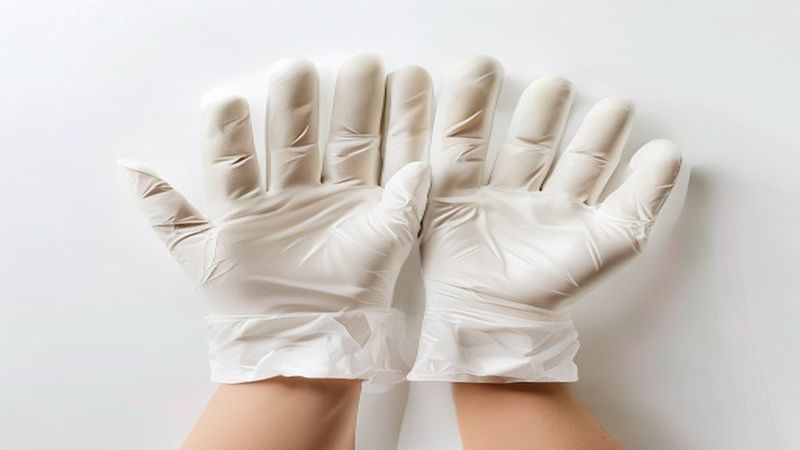
Latex allergy is one of the most underrecognised triggers in cosmetics. Most people associate latex allergy with medical gloves and surgical procedures — but natural rubber latex and cross-reactive plant proteins appear in cosmetic products more often than most consumers realise. If you have a confirmed latex allergy and experience unexplained reactions to certain beauty products, the product formula may not be the only thing to check.
How Latex Enters the Cosmetic Space
Natural rubber latex (NRL) is derived from Hevea brasiliensis, the rubber tree. In cosmetics and beauty, it appears in several forms:
Applicators and tools: Latex-based makeup sponges and beauty blenders (particularly older or budget products), the rubber grips on makeup brushes and eyelash curlers, mascara wand seals, and some eyedropper bulbs. These are often overlooked because attention focuses on the product formula rather than the applicator.
Cosmetic adhesives: False eyelash glues and theatrical makeup adhesives historically used NRL. Many mainstream brands have moved to synthetic adhesives, but some professional and theatrical products still contain latex. Prosthetic adhesives for film and stage makeup are a particularly high-risk category.
Body and face paints: Latex body paint is widely used in theatrical and special-effects contexts. Even products labelled "cosmetic grade" can contain NRL. These pose a high exposure risk because they cover large skin surface areas.
Condom-containing lubricants: Some intimate cosmetics and lubricants are formulated with NRL; these carry significant risk for individuals with severe latex allergy given mucosal exposure.
The formula of the cosmetic product itself — the serum, moisturiser, or foundation — rarely contains NRL directly. The risk comes from processing equipment (some products are manufactured in facilities that use latex components in packaging or processing), cross-reactive plant ingredients in the formula (discussed below), and the physical applicator.
Latex-Fruit Syndrome: The Hidden Cross-Reactive Risk
Latex-fruit syndrome is a cross-reactivity pattern in which proteins in natural rubber latex share structural similarities with proteins in certain fruits and vegetables. The immune system, already sensitised to latex proteins, recognises these food proteins as similar and mounts a reaction. The same principle applies to plant-derived cosmetic ingredients extracted from the same sources.
High cross-reactivity (the most clinically relevant group):
Avocado — Avocado oil (Persea gratissima oil or Persea americana oil) is one of the most widely used emollient oils in skincare. It appears in moisturisers, hair oils, cuticle treatments, and body butters. Cold-pressed avocado oil retains more of the cross-reactive proteins than highly refined versions; however, the degree of refinement is not disclosed on ingredient labels. People with severe latex allergy should treat avocado oil with caution and patch test carefully.
Banana — Banana extract (Musa sapientum) appears in hair masks, hand creams, and some facial products marketed for "sensitive" skin. Cross-reactive banana proteins have triggered systemic reactions in latex-allergic individuals.
Kiwi — Kiwi extract (Actinidia chinensis) is used in some vitamin C and brightening products for its ascorbic acid content. Cross-reactivity with latex proteins is well-documented.
Papaya — Papain, a proteolytic enzyme derived from papaya (Carica papaya), is used in exfoliating products and some enzyme masks as a keratolytic. Papain is a known latex cross-reactive allergen and has caused anaphylactic reactions. See the ingredient database for safety profiles of related enzymes.
Chestnut — Chestnut extract (Aesculus hippocastanum, horse chestnut) appears in some firming and circulation-boosting skincare. Cross-reactivity with latex has been documented in case reports.
Moderate cross-reactivity (clinically relevant but lower frequency): fig, melon, mango, passion fruit, pineapple (bromelain enzyme), strawberry, and tomato. Plant-derived cosmetic extracts from these sources carry a lower but non-zero cross-reactive risk for latex-sensitised individuals.
| Cosmetic Ingredient | INCI Name | Common Products | Cross-Reactivity Risk |
|---|---|---|---|
| Avocado oil | Persea Gratissima Oil | Moisturisers, hair oils, body butter | High |
| Papain enzyme | Carica Papaya Fruit Extract | Enzyme exfoliants, masks | High |
| Banana extract | Musa Sapientum Fruit Extract | Hair masks, hand creams | High |
| Kiwi extract | Actinidia Chinensis Fruit Extract | Brightening serums | High |
| Chestnut extract | Aesculus Hippocastanum Extract | Firming creams, eye creams | High |
| Bromelain | Ananas Sativus (Pineapple) Fruit Extract | Enzyme exfoliants | Moderate |
| Fig extract | Ficus Carica Fruit Extract | Natural skincare, toners | Moderate |
| Mango butter | Mangifera Indica Seed Butter | Body butters, lip balms | Moderate |
Rubber Accelerants: The Type IV Latex Contact Allergy
Separate from NRL protein allergy, some people develop delayed contact allergy to rubber accelerants — chemical additives used during latex manufacturing to speed vulcanisation. These include thiurams (tetramethylthiuram disulfide), carbamates, and mercaptobenzothiazole. This is a Type IV reaction that appears on patch testing.
Rubber accelerants are not ingredients in cosmetic formulas, but they are present in rubber applicators (sponges, brush grips), latex gloves used in beauty salons, and elastic bands in packaging. If patch testing shows positive reactions to thiurams or carbamates rather than to NRL proteins directly, the allergy is to the processing chemicals rather than the rubber itself. This distinction affects diagnosis but not the practical advice: avoid all rubber-containing applicators and request latex-free tools in professional settings.
Identifying Latex Risks in Your Current Products
Step 1: Audit your applicators. Check every makeup sponge, brush grip, eyelash curler, and applicator for latex-free certification. When in doubt, contact the manufacturer directly — "made without latex" language on product pages does not always mean manufacturing equipment is latex-free.
Step 2: Check adhesives. If you use false lashes, review the adhesive formula for latex or NRL. Duo Brush-On lash glue (latex-free version) and Lashify gossamer glue are examples of well-known latex-free alternatives, though formulas change — always verify current formulation.
Step 3: Screen for cross-reactive plant ingredients. Use the ingredient checker to scan products for avocado oil, papain, banana extract, kiwi extract, and related cross-reactive sources. If you have a history of severe latex reactions, avoidance of all high cross-reactivity ingredients is prudent regardless of processing method.
Step 4: For new products, always patch test on inner forearm before full application — particularly for leave-on products containing avocado or papaya-derived ingredients.
Safe Alternatives
Applicators: 100% silicone sponges (such as the silicone face masks or silisponge-style applicators) contain no latex whatsoever. Synthetic fibre brushes with plastic or aluminium ferrules are safe. Natural hair brushes (squirrel, goat, sable) with wooden or plastic handles are also safe — the allergen risk is in rubber components, not natural fibres.
Emollient oils: For moisturisation, substitute avocado oil with squalane (from sugarcane or olives, not shark — confirm source), jojoba oil (Simmondsia chinensis, a wax ester with no latex cross-reactivity), or sunflower seed oil (Helianthus annuus). All three have low sensitisation rates and no cross-reactivity with latex proteins.
Exfoliating enzymes: Instead of papain, choose lactic acid or mandelic acid chemical exfoliants, which provide keratolytic action without enzyme cross-reactivity risk. See our guide to chemical exfoliant irritation for transition guidance.
False lash adhesives: Look for cyanoacrylate-based or acrylate-based adhesives explicitly labelled latex-free. Note that acrylate adhesives carry their own sensitisation risk — particularly relevant for nail technicians and individuals with pre-existing acrylate allergy.
When to See an Allergist
If you have experienced systemic symptoms (hives beyond the contact area, facial swelling, throat tightening, anaphylaxis) after cosmetic use or contact with rubber-containing products, see an allergist for IgE-specific blood testing (RAST/ImmunoCAP for Hev b proteins). Skin prick testing for latex is also available but carries a small risk of systemic reaction in highly sensitised individuals and should only be performed in clinical settings with emergency medication available.
Patch testing by a dermatologist identifies Type IV rubber accelerant allergy (thiuram, carbamate, MBT panels). These are separate tests for a related but different diagnosis. Many individuals have both Type I (NRL protein) and Type IV (accelerant) sensitivities simultaneously.
If you are managing a confirmed latex allergy and want to systematically identify which products in your routine contain cross-reactive ingredients, the SkinDetekt ingredient checker can scan any product's INCI list and flag latex cross-reactive plant-derived ingredients automatically.
Frequently Asked Questions
Can cosmetics contain latex?
Yes. Natural rubber latex (NRL) is used in some cosmetic products including latex-based makeup sponges, some mascara wand applicators, the rubber grips on makeup brushes, latex-based body paints, and theatrical makeup. Some older cosmetic adhesives for false eyelashes and prosthetics also contained NRL, though many brands have reformulated. Always check applicator materials, not just the product formula itself.
What foods cross-react with latex allergy in cosmetics?
Latex-fruit syndrome involves cross-reactive proteins shared between natural rubber latex and certain foods: banana, avocado, kiwi, chestnut, and papaya are the most common. In cosmetics, plant-derived ingredients from these same sources — avocado oil, papaya enzyme (papain), banana extract — can trigger cross-reactive responses in people with latex allergy. The reaction is not to the oil or processed extract per se, but to residual proteins that survive processing.
Is latex allergy a Type I or Type IV reaction?
Latex allergy is primarily a Type I (IgE-mediated) immediate hypersensitivity reaction — the same mechanism as anaphylaxis to peanuts or bee stings. This distinguishes it from contact dermatitis (Type IV, T-cell mediated, delayed). Type I latex reactions are faster (minutes), can be systemic (hives, anaphylaxis), and require IgE-specific blood testing (RAST/ImmunoCAP) for diagnosis. Some individuals also develop Type IV delayed reactions to rubber accelerants (thiuram, carbamates) that are used in latex processing — these appear on patch testing.
How common is latex allergy?
In the general population, latex allergy affects approximately 1–6%. In healthcare workers (who have frequent glove exposure) prevalence rises to 8–17%. In patients with spina bifida (who undergo multiple surgical procedures), prevalence can be as high as 40–60% due to repeated mucosal exposure during childhood surgeries. Atopic individuals (those with eczema, asthma, or hay fever) have significantly higher sensitization rates than non-atopic people.
What should I look for on cosmetic labels if I have latex allergy?
Look for: "natural rubber latex," "NRL," "Hevea brasiliensis" (the botanical name for the rubber tree), and plant-derived ingredients from high-cross-reactivity sources — avocado oil (Persea gratissima), papain (Carica papaya), banana extract (Musa sapientum), and chestnut extract. For applicators and tools, look for "latex-free" or "100% silicone" designation, and contact the brand directly if unclear. Many professional makeup brands now offer explicit latex-free certification.
Find your personal cosmetic triggers
SkinDetekt tracks your products and reactions, then uses AI to identify which ingredients cause YOUR skin reactions.
Download on App Store