How to Patch Test Skincare Products: Step-by-Step Guide
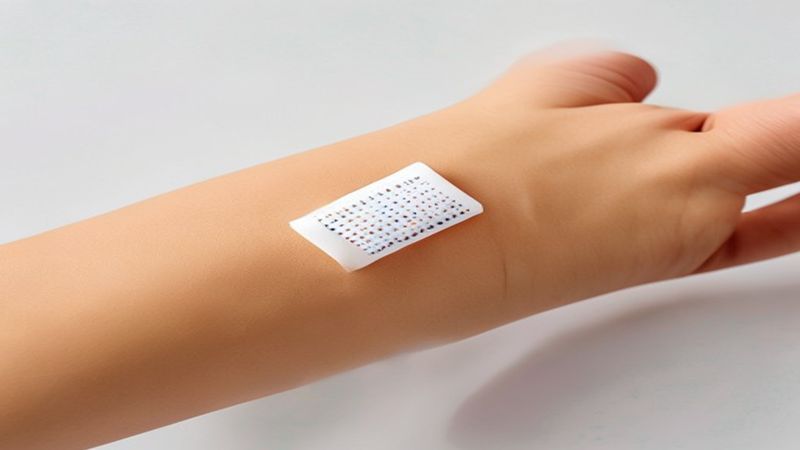
To patch test a skincare product, apply a small amount to the inside of your forearm or behind your ear, cover it with a bandage, and wait 24-48 hours. If no redness, itching, or swelling appears, the product is likely safe for broader use. This simple step takes less than a minute and can prevent days or weeks of painful skin reactions — yet most people skip it entirely, only to regret it when a new serum or moisturizer triggers a full-face flare-up.
Patch testing is the single most effective way to screen for allergic reactions and irritation before committing a product to your full routine. Whether you have sensitive skin or have never had a reaction in your life, understanding how to patch test correctly can save your skin barrier from unnecessary damage.
Why Patch Testing Matters
Every year, millions of people experience adverse reactions to skincare products. Contact dermatitis — both allergic and irritant — is the most common outcome, causing redness, itching, burning, peeling, or blistering that can last for weeks. The problem is compounded by the fact that modern skincare products contain dozens of ingredients, making it nearly impossible to predict how your skin will respond without testing.
Patch testing matters for several key reasons:
- Allergic sensitization is unpredictable. You can develop an allergy to an ingredient at any time, even one you have used safely for years. A patch test catches this before a full-face application turns into a medical situation.
- Irritant reactions are dose-dependent. A product that is fine on your arm may still irritate your face at full application, but a patch test at minimum rules out severe immediate reactions.
- Product formulations vary. Two products with the same hero ingredient can behave completely differently due to concentration, pH, vehicle, and inactive ingredient differences.
- Prevention is easier than treatment. A rash from a new product can take 2 to 4 weeks to fully resolve, even with treatment. A 48-hour patch test is a minor inconvenience by comparison.
Step-by-Step: How to Patch Test at Home
Follow these steps for a reliable at-home patch test:
Step 1: Choose Your Test Site
The inner forearm is the most widely recommended location. The skin here is relatively thin, accessible for monitoring, and sensitive enough to reveal most reactions. Alternative sites include behind the ear (good for hair products), the side of the neck, or along the jawline (best for facial products since the skin is more similar to the rest of your face).
Step 2: Clean the Area
Wash the test site with a gentle, fragrance-free cleanser and pat dry. Do not apply any other products to the area — you want the test product to be the only variable on that patch of skin.
Step 3: Apply a Small Amount
Apply a thin layer of the product to an area roughly the size of a coin (about 2 cm in diameter). Use the same amount you would normally apply to your face. Do not rub it in excessively — a gentle application mimics real-world use.
Step 4: Cover (for Closed Patch Test) or Leave Open
For a closed patch test, cover the area with a small adhesive bandage. This increases the product's contact with your skin and can amplify reactions, making it easier to detect subtle sensitivities. For an open patch test, simply leave the area uncovered. Open testing is more realistic for leave-on products, while closed testing is more sensitive for detecting allergens.
Step 5: Wait 24-48 Hours
Leave the product on the skin and monitor the area. Check at 24 hours and again at 48 hours. For products with active ingredients (retinoids, AHAs, BHAs, vitamin C), consider extending the test to 72 hours, as some reactions take longer to appear.
Step 6: Read Your Results
Examine the test site carefully under good lighting. Compare it to the surrounding untreated skin.
Open vs. Closed Patch Testing
There are two approaches to at-home patch testing, and each has its place:
Open patch test: The product is applied and left uncovered. This method mimics normal product use and is best for screening leave-on products like moisturizers, serums, and sunscreens. It is less sensitive than closed testing, meaning very mild reactions may be missed, but it avoids the amplification effect of occlusion.
Closed patch test: The product is applied and covered with an adhesive bandage for 24 to 48 hours. Occlusion increases skin penetration and contact time, making this method more sensitive. It is particularly useful for detecting contact allergens and is closer to the methodology used in professional diagnostic patch testing. However, it can overestimate irritant reactions — some products that cause irritation under a bandage may be perfectly fine when applied normally.
For most consumers, an open patch test on the inner forearm for 48 hours is sufficient. If you have a history of contact dermatitis or are testing a product with known allergens, a closed patch test provides an extra margin of safety.
Reading Your Results: Negative, Irritant, or Allergic
Understanding what your patch test results mean is critical:
- Negative result (safe to use): No redness, itching, swelling, or texture change at the test site. The skin looks and feels the same as the surrounding area. You can proceed with applying the product to a larger area, though starting with every-other-day application on your face is still prudent.
- Irritant reaction: Mild redness, stinging, or dryness at the test site, often appearing within the first few hours. Irritant reactions tend to peak quickly and may start fading even while the product is still on the skin. They indicate that the product is too strong or the formulation is not compatible with your skin, but they do not involve your immune system.
- Allergic reaction: Redness, itching, swelling, or blistering that appears after 12 to 72 hours and worsens over time. Allergic reactions involve the immune system (delayed-type hypersensitivity) and are significant because they will occur every time you are exposed to the offending allergen, often with increasing severity. If you suspect an allergic reaction, wash the area immediately and avoid the product entirely.
Common Patch Testing Mistakes
Even people who patch test can get unreliable results due to these common errors:
- Testing for too short a time. A 4-hour test is not sufficient. Many allergic reactions do not appear until 24 to 72 hours after exposure. Always wait at least 48 hours before declaring a product safe.
- Testing on the wrong area. The back of the hand or outer forearm has thicker skin that is less reactive. Use the inner forearm, behind the ear, or jawline for more accurate results.
- Testing multiple products at once. If you patch test three new products simultaneously and develop a reaction, you will not know which product caused it. Test one product at a time.
- Ignoring the rest of the formulation. People often focus on the hero ingredient but forget that the vehicle, preservatives, and fragrances are common triggers. Use the SkinDetekt ingredient checker to screen the full ingredient list before and after testing.
- Not repeating for active ingredients. Products containing retinol, AHAs, or other actives can cause cumulative irritation that a single 48-hour test will not reveal. For these products, apply once daily to the test site for 7 to 14 days to simulate real-world use.
When Patch Testing Isn't Enough
At-home patch testing is a valuable screening tool, but it has limitations:
- Delayed reactions. Some allergic reactions can take up to a week to fully manifest. A 48-hour test may miss these.
- Cumulative irritation. Ingredients like retinol or salicylic acid may be fine on a single application but cause problems with repeated daily use over weeks.
- Environmental factors. Sun exposure, humidity, sweating, and interaction with other products in your routine can all influence how your skin responds to a product — factors that a single-site patch test does not capture.
- Body site differences. Skin on your forearm is not identical to skin on your eyelids, lips, or neck. A product that passes a forearm test may still irritate more delicate areas like the eyelids.
Professional Patch Testing vs. At-Home
Professional patch testing, performed by a dermatologist or allergist, is fundamentally different from at-home screening. In a clinical setting, a standardized series of 80 to 100+ individual allergens is applied to your back under aluminum chambers (Finn chambers) or adhesive strips (T.R.U.E. Test) for 48 hours. The results are read at 48 hours and again at 72 to 96 hours by a trained specialist who can distinguish true allergic reactions from irritant responses.
Professional patch testing is recommended if you experience recurring skin reactions that you cannot identify the cause of, if you react to multiple unrelated products, or if at-home testing has been inconclusive. It is the gold standard for identifying specific cosmetic allergy triggers and provides definitive answers that at-home testing simply cannot match.
At-home patch testing, on the other hand, is ideal for screening individual new products before incorporating them into your routine. It is not designed to diagnose specific allergen sensitivities — that requires the professional approach. Think of at-home patch testing as a safety check and professional patch testing as a diagnostic investigation.
Building a Patch Testing Habit
The best way to make patch testing part of your routine is to treat it as non-negotiable. When a new product arrives, apply it to your inner forearm immediately and set a reminder for 48 hours later. Keep the product out of your regular skincare lineup until the test period is over. If you are introducing multiple new products, stagger them by at least one week so you can clearly attribute any reactions.
For those building or modifying a sensitive skin routine, patch testing every single product — including cleansers, toners, and SPF — is essential. The few days of patience required for each test is a small price to pay for a routine that works without causing flare-ups.
Want to know what's actually in a product before you patch test it? Paste the full ingredient list into the SkinDetekt ingredient checker to flag potential allergens, irritants, and sensitizers — so you can make an informed decision about whether a product is even worth testing on your skin.
Frequently Asked Questions
Where is the best place to patch test a skincare product?
The inside of your forearm is the most commonly recommended location for at-home patch testing because the skin is relatively thin and accessible for observation. Behind the ear and the side of the neck are also good options. For facial products specifically, some dermatologists recommend testing on the jawline, since facial skin may react differently than arm skin due to differences in thickness, sebaceous gland density, and barrier function.
How long should you patch test a new skincare product?
A minimum of 24 to 48 hours is recommended for detecting immediate irritant or allergic reactions. However, some allergic reactions (delayed-type hypersensitivity) can take up to 72 to 96 hours to appear. For active ingredients like retinoids, AHAs, or vitamin C, dermatologists recommend patch testing for a full 7 to 14 days with repeated application to detect cumulative irritation that single-application testing would miss.
Can you patch test on your hand?
The back of the hand is not ideal for patch testing because the skin there is thicker and less reactive than facial skin, which can produce false-negative results. The inner wrist is a better option if you prefer testing on your hand, as the skin is thinner and more similar in sensitivity to facial skin. The inner forearm remains the gold standard for at-home testing.
What does a failed patch test look like?
A failed (positive) patch test shows one or more of the following: redness that persists beyond the initial application, itching or burning that does not subside within a few minutes, bumps or raised hives, blistering or weeping skin, swelling, or flaking and peeling. Any of these signs indicate that the product or one of its ingredients is causing an adverse reaction and should not be used on a larger area.
Do you need to patch test every new skincare product?
Yes, dermatologists recommend patch testing every new product, even if it is from a brand you trust or contains ingredients you have used before. Product formulations vary significantly — the same ingredient at different concentrations, pH levels, or in combination with other ingredients can produce different reactions. People with sensitive skin, eczema, rosacea, or a history of contact dermatitis should be especially diligent about patch testing.
Find your personal cosmetic triggers
SkinDetekt tracks your products and reactions, then uses AI to identify which ingredients cause YOUR skin reactions.
Download on App Store