Perioral Dermatitis and Skincare: What Triggers It & What to Avoid
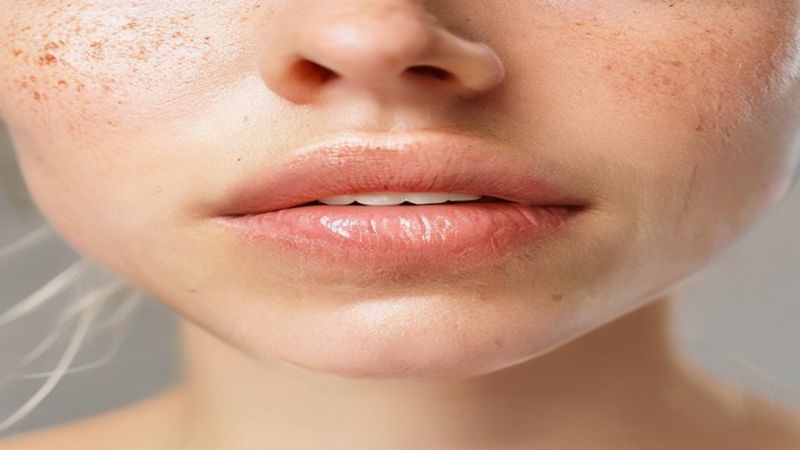
You notice small, red, bumpy patches clustering around your mouth. Maybe around your nose or eyes too. It looks like acne, so you treat it like acne — a dab of benzoyl peroxide, maybe some salicylic acid. It gets worse. You try a hydrocortisone cream because the skin is inflamed. It clears up for a few days... then comes back twice as bad. This is the classic perioral dermatitis (PD) trajectory, and it catches thousands of people in a frustrating cycle every year.
Perioral dermatitis is one of the most misunderstood and mismanaged skin conditions. It looks like acne but is not acne. It temporarily responds to steroids but is made dramatically worse by them. And many common skincare ingredients — ones that are perfectly fine for most people — can trigger or perpetuate it. This guide covers what PD actually is, what causes it, what makes it worse, and how to manage your skincare routine during and after flares.
What Perioral Dermatitis Actually Is
Perioral dermatitis is a chronic inflammatory skin condition characterized by clusters of small papules (bumps), pustules, and sometimes mild scaling around the mouth, nasolabial folds (the creases from nose to mouth), and chin. In some cases, it extends around the nose (periorificial dermatitis) or the eyes (periocular dermatitis).
Key distinguishing features of PD:
- Clear zone around the lip border: Unlike acne or eczema, PD typically spares the skin immediately adjacent to the vermilion border (lip line). There is usually a 2-5mm clear zone between the lip and the rash.
- No comedones: PD does not produce blackheads or whiteheads. If you see comedones, you likely have acne or a combination condition.
- Grouped small papules: The bumps are typically 1-3mm, skin-colored to red, and clustered rather than scattered.
- Burning and tightness more than itching: PD often feels like burning or stinging rather than the itch typical of eczema.
PD predominantly affects women aged 20-45, though it can occur in anyone including children. The exact cause is not fully understood, but it is thought to involve a combination of skin barrier disruption, follicular occlusion, microbial overgrowth (including Demodex mites and Fusiform bacteria), and immune dysregulation.
Common Triggers: What Sets Off Perioral Dermatitis
Understanding PD triggers is essential because avoiding them is half the battle. Here are the most well-documented triggers:
Topical Corticosteroids (The Biggest Culprit)
Topical steroids — including over-the-counter hydrocortisone — are the single most common trigger and perpetuator of perioral dermatitis. The insidious part is that steroids initially improve PD symptoms because they suppress inflammation. This creates a dependency cycle: apply steroid, PD improves, stop steroid, PD rebounds worse than before, reapply steroid, repeat. Each cycle makes the condition more severe and harder to treat.
This "steroid rebound effect" is so well-documented that many dermatologists consider PD a steroid-induced condition in a significant portion of cases. Inhaled corticosteroids (for asthma) and nasal steroid sprays can also trigger perioral and perinasal dermatitis through direct contact with facial skin.
Fluoride Toothpaste
Fluoride-containing toothpaste is a frequently overlooked PD trigger. The fluoride compound — typically sodium fluoride or sodium monofluorophosphate — appears to irritate the perioral skin. Multiple clinical studies have shown improvement in PD after switching to fluoride-free toothpaste, particularly in patients whose PD is concentrated around the mouth.
Sodium lauryl sulfate (SLS) in toothpaste may also contribute, as it is a known skin irritant that can disrupt the skin barrier around the mouth during brushing.
Heavy Moisturizers and Occlusives
Rich, occlusive creams and ointments can worsen PD by trapping moisture and creating an environment conducive to microbial overgrowth around the hair follicles. This is counterintuitive because PD skin often feels dry and tight, which makes people instinctively reach for heavier moisturizers — which then makes the condition worse.
Skincare Ingredients to Avoid
Several specific ingredients are known to irritate PD-prone skin:
- Sodium lauryl sulfate (SLS): A harsh surfactant that disrupts the skin barrier. Found in cleansers, toothpaste, and shampoos.
- Fragrance and essential oils: Linalool, limonene, cinnamal, and other fragrance compounds can irritate the already-compromised perioral skin.
- Chemical sunscreen filters: Oxybenzone, avobenzone, and other organic UV filters are more likely to irritate PD-prone skin than mineral filters.
- Strong exfoliating acids: High-concentration glycolic acid, salicylic acid, and other AHAs/BHAs can worsen inflammation during flares.
- Retinoids: Tretinoin, retinol, and other vitamin A derivatives increase cell turnover and can significantly irritate PD-affected skin.
- Physical exfoliants: Scrubs and microdermabrasion further damage the already-disrupted barrier.
Use SkinDetekt's ingredient checker to scan any product for these triggers before applying it to PD-prone areas.
The Steroid Rebound Effect: Why It Gets Worse Before It Gets Better
If you have been using topical steroids on your PD (even a mild OTC hydrocortisone), stopping them will cause a rebound flare. This is expected and unavoidable. The rebound typically peaks 1-2 weeks after stopping the steroid and can last 2-6 weeks.
During the rebound, the skin will likely become redder, more inflamed, and more uncomfortable than it was before steroid use. This is not a sign that you need to restart the steroid — it is your skin adjusting to functioning without the artificial suppression of inflammation.
How to manage the rebound period:
- Stop the steroid completely. Do not taper — most dermatologists recommend abrupt cessation for mild-to-moderate potency steroids (like hydrocortisone). For high-potency steroids used long-term, your dermatologist may recommend a gradual taper.
- Start prescribed treatment simultaneously. Your dermatologist will typically prescribe oral doxycycline or topical metronidazole to start as you stop the steroid, which helps manage the rebound.
- Cold compresses for comfort. A clean, damp, cool cloth applied to the affected area can soothe burning and reduce redness without introducing any products.
- Expect 2-6 weeks of discomfort. Knowing this timeline helps you resist the urge to reach for the steroid again.
The Zero Therapy Approach
"Zero therapy" is a treatment approach where you stop applying ALL topical products to the affected area — no moisturizer, no sunscreen, no makeup, no cleanser directly on the PD. You wash the rest of your face as normal but avoid the perioral (or periocular/perinasal) zone entirely.
This sounds extreme, and the initial weeks are uncomfortable. The skin will feel dry, tight, and flaky. But zero therapy works because it removes all potential topical triggers, stops occluding the follicles, and lets the skin's own barrier repair mechanisms function without interference.
Zero therapy is typically combined with oral antibiotics (doxycycline 40-100mg daily) prescribed by a dermatologist. The antibiotics address the inflammatory and microbial components while zero therapy addresses the topical trigger component.
For people who cannot tolerate complete zero therapy, a modified version allows a single, ultra-lightweight, fragrance-free moisturizer with the shortest possible ingredient list. Something like pure squalane or a minimal ceramide lotion — but only if the PD does not worsen.
Safe Products and Ingredients During a PD Flare
While zero therapy on the affected area is ideal, you still need to care for the rest of your face. Here is what is generally safe:
- Cleanser: Micellar water (fragrance-free, minimal ingredients) or a gentle, SLS-free, fragrance-free cream cleanser. Avoid foaming cleansers.
- Moisturizer (unaffected areas): A lightweight, fragrance-free lotion with ceramides or hyaluronic acid. Avoid the perioral zone during active flares.
- Sunscreen: Mineral-only (zinc oxide and/or titanium dioxide). Avoid chemical filters. If possible, use a hat for sun protection instead of applying sunscreen directly to the affected area.
- Makeup: Mineral powder makeup is better tolerated than liquid foundations during PD flares. Avoid anything on the affected area if possible.
Ingredients That Can Help PD
A few ingredients have evidence for actually improving perioral dermatitis:
- Azelaic acid (15-20%): Has anti-inflammatory, antibacterial, and anti-Demodex properties. Often prescribed as a topical treatment for PD and is generally well-tolerated. Some dermatologists use it as an alternative to antibiotics for mild PD.
- Niacinamide (4-5%): Strengthens the skin barrier, reduces inflammation, and is well-tolerated by most PD patients. Available in many lightweight, fragrance-free serums.
- Topical metronidazole (0.75-1%): Prescription-only. An antibiotic gel with anti-inflammatory properties that is a first-line topical treatment for PD.
- Pimecrolimus cream (1%): A prescription topical calcineurin inhibitor (non-steroidal anti-inflammatory) that can be used for PD without the rebound risk of steroids. Often used for maintenance after initial clearance.
When to See a Dermatologist
See a dermatologist if:
- You suspect PD but are not sure — misdiagnosis is common, and treating PD as acne or eczema will make it worse
- You have been using topical steroids on the area and need guidance on stopping safely
- Zero therapy and trigger avoidance have not improved the condition after 4-6 weeks
- The condition is spreading, worsening, or significantly affecting your quality of life
- You need prescription treatment (oral doxycycline, topical metronidazole, or pimecrolimus)
- PD keeps recurring despite trigger avoidance
A dermatologist can also perform patch testing to identify whether a specific contact allergen is contributing to your PD. In some cases, what appears to be perioral dermatitis is actually allergic contact dermatitis localized to the perioral area — caused by toothpaste, lip products, or other regularly applied substances.
Managing perioral dermatitis starts with understanding your triggers. Use SkinDetekt's ingredient checker to screen every product before it goes near your face. Scan for SLS, fragrance, essential oils, and other known PD triggers in seconds. If you are rebuilding your routine after a flare, check our guides on sensitive skin care and elimination skincare for a systematic, evidence-based approach.
Frequently Asked Questions
What is the fastest way to clear perioral dermatitis?
The fastest evidence-based treatment is prescription oral antibiotics (typically low-dose doxycycline at 40-100mg daily for 6-12 weeks) combined with the "zero therapy" approach — stopping ALL topical products including moisturizer and makeup on the affected area. Over-the-counter options are limited, but topical azelaic acid (15-20%) and topical metronidazole (prescribed) can help. Importantly, do NOT apply topical steroids, which provide temporary relief but cause severe rebound flares.
What ingredients should I avoid with perioral dermatitis?
Avoid sodium lauryl sulfate (SLS), fragrance/parfum, essential oils (especially peppermint, cinnamon, and tea tree), fluoride toothpaste, heavy occlusives like petrolatum on the affected area, chemical sunscreen filters (oxybenzone, avobenzone), cinnamic aldehyde, and all topical corticosteroids. Many people with PD also react to physical exfoliants and strong active ingredients like retinol and high-concentration glycolic acid.
Can moisturizer cause perioral dermatitis?
Yes. Heavy, occlusive moisturizers are a known trigger for perioral dermatitis. The mechanism is believed to involve occlusion of the hair follicles around the mouth, creating an environment that promotes the overgrowth of bacteria and Demodex mites implicated in PD. During active flares, many dermatologists recommend stopping moisturizer entirely on the affected area (zero therapy), even though the skin feels dry and tight. Once PD resolves, lightweight, non-occlusive moisturizers are usually tolerable.
Is perioral dermatitis the same as acne?
No. Perioral dermatitis and acne are distinct conditions with different causes and treatments. PD presents as clusters of small red or skin-colored papules and pustules around the mouth, nose, and sometimes eyes, often with a clear zone immediately around the lip border. Unlike acne, PD does not involve comedones (blackheads/whiteheads) and is worsened by topical steroids. Acne treatments like benzoyl peroxide and retinoids can actually irritate PD. Misdiagnosis is common, which is why PD often gets worse before people receive correct treatment.
How long does perioral dermatitis take to heal?
With appropriate treatment (oral antibiotics plus zero therapy), most cases of perioral dermatitis improve significantly within 4-8 weeks. However, full clearance can take 3-6 months, and the condition is prone to recurrence — approximately 40-50% of patients experience at least one recurrence. Avoiding known triggers, using minimal skincare, and switching to fluoride-free toothpaste can help prevent flares. If PD keeps coming back, long-term low-dose antibiotic maintenance or topical immunomodulators like pimecrolimus may be discussed with your dermatologist.
Find your personal cosmetic triggers
SkinDetekt tracks your products and reactions, then uses AI to identify which ingredients cause YOUR skin reactions.
Download on App Store