My Skin Reacts to Everything: What to Do When Nothing Seems Safe
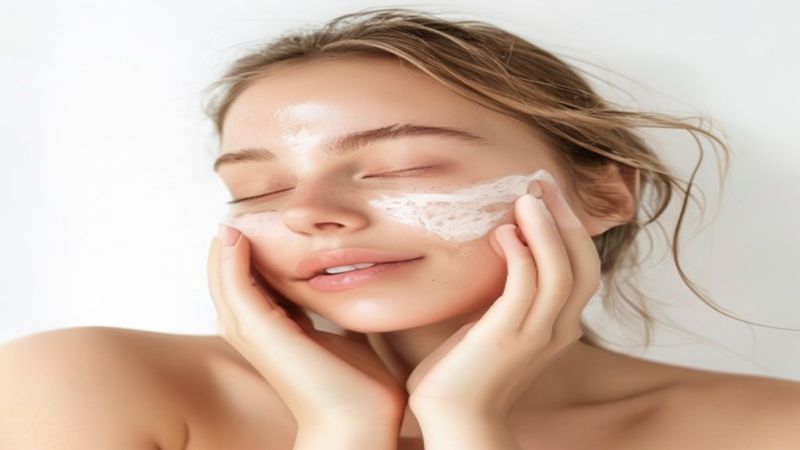
If you feel like your skin reacts to everything — every new moisturizer causes redness, every cleanser stings, every sunscreen breaks you out — you are not imagining it, and you are not alone. An estimated 60-70% of women and 50-60% of men report having "sensitive skin" in population surveys, but for a subset of those people, the reactivity is so severe and widespread that finding any tolerable products feels impossible.
This guide is for that subset. We'll explain the real reasons behind widespread skin reactivity, walk you through the evidence-based "reset protocol" dermatologists use, identify hidden triggers that sabotage even careful routines, and show you how to systematically rebuild a safe routine using ingredient tracking. If you've been told to "just use gentle products" and found that even those cause problems, keep reading.
Why Some People React to "Everything"
When your skin seems to react to every product you try, there are usually one or more underlying mechanisms at play. Understanding which applies to you is the first step toward fixing it.
1. Damaged Skin Barrier
Your stratum corneum (the outermost layer of skin) functions like a brick wall, with skin cells (corneocytes) as the bricks and lipids (ceramides, cholesterol, fatty acids) as the mortar. When this barrier is intact, it prevents water loss and blocks most external substances from penetrating. When it's damaged, substances that would normally sit harmlessly on the surface can penetrate into deeper skin layers, triggering irritation or immune responses.
Common causes of barrier damage include overuse of exfoliating acids (AHAs, BHAs), retinoids at too-high concentrations, harsh cleansers that strip natural oils, over-washing, environmental extremes (cold wind, low humidity), and even psychological stress, which has been shown to impair barrier function through cortisol-mediated pathways. A 2018 study in the Journal of Investigative Dermatology confirmed that increased transepidermal water loss (TEWL) — a direct measure of barrier damage — correlates with increased sensitivity to topically applied substances.
2. Multiple Simultaneous Allergies
Some people aren't just allergic to one ingredient — they're sensitized to several. A person allergic to fragrance, methylisothiazolinone, and cocamidopropyl betaine simultaneously will react to the vast majority of commercially available products, because at least one of those allergens is present in most formulations. Patch testing data from the North American Contact Dermatitis Group (NACDG) shows that patients referred for patch testing are positive to an average of 2-3 allergens, and some test positive to 5 or more.
3. Low Irritant Threshold
Independent of true allergies, some individuals have a constitutionally lower threshold for irritant contact dermatitis. This is especially common in people with atopic dermatitis (eczema), rosacea, or a genetic predisposition to impaired filaggrin production (a key protein in the skin barrier). For these individuals, even "gentle" ingredients like propylene glycol, sodium lauryl sulfate, or high concentrations of vitamin C can cause stinging, redness, and burning.
The Reset Protocol: Stop Everything
Before you can figure out what's causing your reactions, you need to establish a baseline. This means temporarily stripping your routine down to the absolute minimum — what dermatologists call a "skin fast" or "elimination diet for skin." For a detailed guide on this approach, see our article on elimination skincare.
Here is the protocol:
- Stop ALL current products for 2-4 weeks. Yes, all of them — including the ones you think are fine. This is temporary.
- Use only a bare-minimum routine during the reset: a single, ultra-simple cleanser (look for one with under 10 ingredients, no fragrance, no essential oils) and a single, ultra-simple moisturizer (plain petrolatum/Vaseline is the gold standard for barrier repair, though it's cosmetically inelegant).
- Observe your skin for 2-4 weeks. If your skin improves significantly, this confirms that one or more products in your old routine were contributing to the problem. If it doesn't improve, you may have an underlying condition (eczema, rosacea, perioral dermatitis) that requires medical treatment rather than product changes.
- Reintroduce products one at a time, waiting at least 1-2 weeks between each new product. This is the critical step — it lets you identify exactly which product triggers a reaction.
The hardest part of this protocol is patience. Two weeks with a bare-minimum routine feels like a long time, especially when your skin still looks and feels imperfect. But without this baseline period, you're making changes in the dark.
Hidden Triggers That Sabotage "Safe" Routines
If you've tried simplifying your routine and still experience reactions, one of these commonly overlooked triggers may be responsible.
Fragrance in "Fragrance-Free" Products
Some products marketed as "fragrance-free" still contain fragrant botanical extracts or essential oils added for purposes other than scent (e.g., tea tree oil for antimicrobial properties, chamomile extract for "soothing"). These contain the same allergenic compounds as added fragrances. Always check the full ingredient list for any essential oils, plant extracts, or the specific fragrance allergens listed in the EU's required disclosure (linalool, limonene, citronellol, geraniol, etc.).
Preservatives in "Clean" Products
"Clean beauty" products that avoid parabens often replace them with alternative preservatives that have higher allergenicity rates. Methylisothiazolinone caused an allergy epidemic in the 2010s precisely because it replaced parabens. Other alternatives like phenoxyethanol, MIT/BIT combinations, and organic acids can also cause reactions in susceptible individuals.
"Natural" and "Organic" Products
Natural ingredients are not inherently safer. Many potent allergens are completely natural: essential oils (tea tree, lavender, ylang-ylang), balsam of Peru (found in many "natural" lip balms), propolis (bee glue), lanolin, and colophonium (tree resin). A 2020 study in Contact Dermatitis found that patients who exclusively used "natural" cosmetics had comparable rates of allergic contact dermatitis to those using conventional products.
Non-Cosmetic Sources
Don't forget about laundry detergent (which contacts your skin all day via clothing), fabric softener, hand soap, dish soap, nail polish, sunscreen, and even topical medications. The allergen causing your "skincare reaction" might not be in your skincare at all.
Common Allergens vs. Common Irritants
It's important to distinguish between allergy and irritation, because the approach differs. Allergic reactions involve the immune system and occur even at tiny doses once you're sensitized. Irritation is dose-dependent — a lower concentration or less frequent use may solve the problem.
Top allergenic ingredients: fragrance/parfum, methylisothiazolinone, formaldehyde releasers (DMDM hydantoin, imidazolidinyl urea), cocamidopropyl betaine, PPD in hair dyes, lanolin.
Top irritant ingredients: sodium lauryl sulfate (SLS), high-concentration retinoids, glycolic acid at high percentages, benzoyl peroxide, alcohol denat., and menthol.
For a comprehensive guide on identifying whether your reactions are allergic or irritant, see our contact dermatitis guide.
How to Rebuild Your Routine Safely
After the reset period, you'll reintroduce products one at a time. Here is the evidence-based approach:
- Start with the most essential product first — typically a moisturizer. Choose one with the shortest possible ingredient list (under 10 ingredients) and no fragrance, essential oils, or common allergens.
- Do a semi-open patch test before committing. Apply a small amount to the inside of your forearm twice daily for 7-10 days. If no reaction occurs, try it on a small area of your face for another 3-5 days. This two-step test catches both irritant and delayed allergic reactions.
- Wait at least 2 weeks between introducing new products. Allergic contact dermatitis can take 48-96 hours to appear, and some reactions build up over days of cumulative use.
- Add one product at a time, never two. If you add a new cleanser and a new serum simultaneously and react, you won't know which caused the problem.
- Keep a written or digital log of every product you introduce and any skin changes you notice. Over time, this log reveals patterns.
When building your minimal routine, generally proceed in this order: moisturizer first, then cleanser, then sunscreen, then any actives or treatments you want to add. Each must pass the patch test before you add the next.
When to See a Dermatologist
Self-management has limits. See a dermatologist if:
- Your skin does not improve during the reset period, even with a minimal routine
- You experience severe reactions — blistering, oozing, widespread rash, or swelling
- You suspect you have an underlying condition (eczema, rosacea, seborrheic dermatitis, perioral dermatitis)
- You want definitive answers about your specific allergens (patch testing)
- Your reactivity is significantly affecting your quality of life
Ask specifically about patch testing, which is the gold standard for identifying contact allergies. The standard series tests 80+ substances, and extended series can test hundreds more. This is different from prick testing (which tests for immediate/IgE allergies like hay fever) — contact allergies are delayed (Type IV) reactions that require a different test method. For more on identifying your triggers, read our guide on how to find your skin allergy trigger.
The Role of Ingredient Tracking
Even with patch testing, there are limitations — the standard series doesn't cover every possible allergen, and some reactions are to ingredients not included in any commercial test panel. This is where long-term ingredient tracking becomes invaluable.
By logging every product you use and every reaction you experience, then cross-referencing the ingredient lists, you can identify statistical patterns that point to your personal triggers. For example, if you react to 5 different moisturizers and tolerate 3 others, comparing the ingredient lists of "reacted" vs. "tolerated" products may reveal an ingredient that appears in all 5 problem products but none of the safe ones.
This kind of analysis is exactly what SkinDetekt's ingredient checker and tracking app automate. Instead of manually comparing ingredient lists across dozens of products, SkinDetekt's AI analyzes the correlations for you, flagging ingredients with statistically significant links to your reactions.
Your Next Steps
Widespread skin reactivity is frustrating, but it is solvable with a systematic approach. To recap:
- Understand the mechanism — is it barrier damage, multiple allergies, or a low irritant threshold?
- Reset your routine to the bare minimum for 2-4 weeks
- Eliminate hidden triggers (fragrance, preservatives, "natural" allergens, non-cosmetic sources)
- Rebuild one product at a time with patch testing
- Consider professional patch testing for definitive answers
- Track your products and reactions long-term to catch new sensitivities early
Ready to take control? Start by running your current products through SkinDetekt's free ingredient checker to identify potential triggers. Our AI cross-references every ingredient against known allergen and irritant databases, giving you a personalized risk profile in seconds. For ongoing tracking and AI-powered pattern detection, download the SkinDetekt app.
Frequently Asked Questions
Why does my skin react to everything I put on it?
Widespread skin reactivity usually stems from a damaged skin barrier, which allows irritants and allergens to penetrate more easily. Common causes include overuse of active ingredients (retinoids, AHAs, vitamin C), environmental damage, underlying conditions like eczema or rosacea, or multiple simultaneous contact allergies. When your barrier is compromised, even gentle ingredients can trigger reactions because your skin's natural defense system is weakened.
How long does the skin reset protocol take to work?
Most dermatologists recommend a 2-4 week "skin fast" where you strip your routine back to the bare essentials. You should start seeing reduced baseline irritation within 1-2 weeks if barrier damage is the primary issue. If you have true contact allergies, improvement depends on how quickly you eliminate the offending allergens. Full barrier recovery typically takes 4-8 weeks with a consistent, minimal routine.
Can I be allergic to hypoallergenic products?
Yes. The term "hypoallergenic" is not regulated by the FDA and has no standardized definition. It simply means the manufacturer claims the product is less likely to cause allergic reactions, but there is no requirement for testing to prove this. Hypoallergenic products can still contain common allergens like preservatives, surfactants, and botanical extracts that trigger reactions in sensitized individuals.
Should I get patch testing if my skin reacts to everything?
Yes, patch testing by a dermatologist is highly recommended if you experience widespread reactivity. The standard series tests approximately 80 common allergens and can identify specific substances your immune system has been sensitized to. Up to 30% of patients with "sensitive skin" are found to have one or more true contact allergies on patch testing, which completely changes their treatment approach.
How do I track which ingredients are causing my reactions?
Systematic ingredient tracking involves logging every product you use and every reaction you experience, then cross-referencing the ingredient lists to find common culprits. This is time-intensive to do manually because a single product may contain 20-40 ingredients. SkinDetekt automates this process with AI analysis that identifies statistical correlations between specific ingredients and your reactions over time.
Find your personal cosmetic triggers
SkinDetekt tracks your products and reactions, then uses AI to identify which ingredients cause YOUR skin reactions.
Download on App Store