Why Does My Face Sting When I Apply Moisturizer? 7 Causes & Fixes
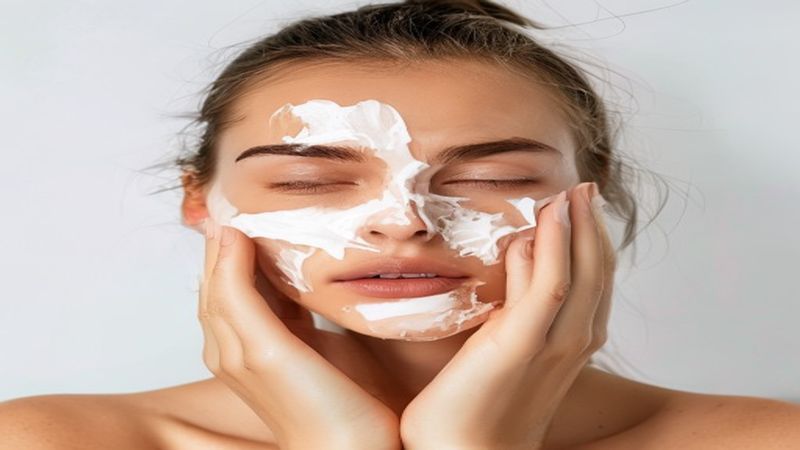
A stinging sensation when you apply moisturizer usually means your skin barrier is compromised or the product contains an ingredient that triggers sensory irritation. This is one of the most common skincare complaints dermatologists hear, and it is almost always fixable once you identify the root cause. Stinging is your skin's way of signaling that something is wrong — either the barrier has micro-cracks that allow ingredients to penetrate too deeply and hit nerve endings, or a specific ingredient is activating sensory receptors in the skin. Below are the 7 most common causes and exactly how to address each one.
The 30-Second Rule: When to Worry
Before diving into causes, here is a quick clinical guideline dermatologists use: if stinging resolves within 30 seconds and leaves no redness, it is usually a minor, transient sensory response — uncomfortable but not harmful. If stinging lasts longer than 30 seconds, intensifies over time, or is accompanied by redness, burning, swelling, or a rash, remove the product immediately with lukewarm water and a gentle cleanser. Persistent stinging is a sign of genuine irritation or an allergic reaction, and continuing to use the product will worsen the problem.
Cause 1: A Damaged Skin Barrier
The most common reason moisturizer stings is a compromised skin barrier. Your stratum corneum — the outermost layer of skin — is made up of dead skin cells held together by a lipid matrix of ceramides, cholesterol, and fatty acids. When this barrier is intact, it keeps irritants out and moisture in. When it is damaged, micro-gaps form that allow product ingredients to penetrate deeper than intended, reaching nerve endings in the living epidermis.
Common causes of barrier damage include over-exfoliation (too much AHA, BHA, or physical scrubbing), overuse of retinol, harsh cleansers that strip natural oils, very hot water, dry or cold climates, and underlying conditions like eczema or rosacea.
The fix: Stop all active ingredients for 2–4 weeks. Switch to a gentle, non-foaming cleanser and a minimal-ingredient moisturizer with ceramides and petrolatum. This "skin fasting" approach lets your barrier rebuild. Once stinging stops, reintroduce actives one at a time, slowly.
Cause 2: Niacinamide at High Concentrations
Niacinamide (vitamin B3) is a popular, generally well-tolerated ingredient — but at concentrations above 5%, it can cause a stinging or flushing reaction in a significant percentage of users. This is not a true allergy but rather a dose-dependent sensory irritation. Some studies suggest that free nicotinic acid (a degradation product of niacinamide) triggers vasodilation and the characteristic warmth and redness.
The fix: If your moisturizer contains niacinamide, check if it lists a concentration (many products use 10% or higher). Switch to a product with 2–4% niacinamide, which provides the same barrier-strengthening benefits with far less irritation potential. Also ensure the product is stored properly — niacinamide can degrade to nicotinic acid in heat and light.
Cause 3: AHAs and BHAs (Hidden Exfoliants)
Some moisturizers contain alpha-hydroxy acids (glycolic acid, lactic acid, mandelic acid) or beta-hydroxy acids (salicylic acid) at low concentrations for "gentle exfoliation" or "skin renewal." Even at 2–5%, these acids lower the product's pH and can cause stinging, especially on compromised skin. The issue is compounded if you are already using a separate exfoliant in your routine, creating a cumulative acid load your barrier cannot handle.
The fix: Read your moisturizer's ingredient list carefully — scan for glycolic acid, lactic acid, salicylic acid, citric acid (at high levels), or any mention of "AHA" or "BHA." If present, switch to a non-exfoliating moisturizer. Use the SkinDetekt ingredient checker to quickly identify any acids in your product.
Cause 4: Fragrance and Essential Oils
Fragrance (listed as "parfum" or "fragrance" on ingredient labels) is one of the top causes of both irritant and allergic reactions in skincare. Fragrance compounds can trigger sensory nerve endings directly, causing immediate stinging, and can also cause delayed-type allergic contact dermatitis with repeated use. Essential oils — including lavender, tea tree, eucalyptus, and citrus oils — contain the same sensitizing fragrance chemicals and pose the same risks.
The fix: Switch to a product explicitly labeled "fragrance-free" (not "unscented," which can still contain masking fragrances). Check the ingredient list for parfum, fragrance, and any essential oils or botanical extracts. Our fragrance-free skincare guide has detailed recommendations.
Cause 5: Alcohol (Denatured Alcohol)
Alcohol denat., SD alcohol, and isopropyl alcohol are solvents used in some lightweight moisturizers and gel creams to create a fast-absorbing, matte-finish texture. While these alcohols evaporate quickly and make products feel elegant, they dissolve the lipids in your skin barrier, causing stinging, dryness, and long-term barrier damage with repeated use. This is especially problematic on already-sensitive or dehydrated skin.
The fix: Avoid moisturizers listing alcohol denat., SD alcohol, or isopropyl alcohol in the top half of the ingredient list. Note that fatty alcohols like cetyl alcohol and cetearyl alcohol are completely different — they are emollients that actually benefit the skin barrier and do not cause stinging.
Cause 6: Propylene Glycol
Propylene glycol is a humectant and penetration enhancer found in many moisturizers, serums, and cleansers. While it is generally safe, it is a recognized irritant for a subset of people — the American Contact Dermatitis Society named it Allergen of the Year in 2018. Propylene glycol enhances the penetration of other ingredients through the skin, which can amplify stinging from any irritant in the formula. People with contact dermatitis or broken skin are more susceptible.
The fix: If you suspect propylene glycol, switch to a moisturizer that uses glycerin or butylene glycol (a related but less irritating humectant) instead. Paste your product's ingredient list into the SkinDetekt ingredient checker to see if propylene glycol is present.
Cause 7: pH Mismatch
Healthy skin has a slightly acidic pH of approximately 4.5–5.5. Moisturizers with a pH significantly below or above this range can disrupt the acid mantle and cause stinging. Products with a very low pH (below 4.0) — often those containing vitamin C (ascorbic acid) or AHAs — directly irritate sensory nerve endings. Products with a high pH (above 7) — some bar soaps and certain "alkaline" moisturizers — disrupt the lipid barrier and cause a burning sensation.
The fix: While most people do not have pH strips at home, you can identify high-risk products by their active ingredients. Vitamin C serums and AHA-containing products tend to have low pH. If you suspect a pH issue, try a moisturizer without any active acids or vitamin C, and see if the stinging resolves.
How to Tell Temporary Stinging From a Real Problem
Not all stinging is equally concerning. Here is how to differentiate:
- Temporary transient sting (not concerning): Lasts under 30 seconds, no visible redness, happens only occasionally (such as after cleansing in winter), resolves completely. This is usually just sensory nerve activation from temperature changes or mild dehydration.
- Irritant reaction (moderate concern): Stinging lasts 1–5 minutes, mild redness appears, happens every time you apply the product. This means an ingredient is irritating your skin. Stop the product and identify the irritant.
- Allergic reaction (high concern): Stinging accompanied by persistent redness, swelling, itching, bumps, or a rash that appears hours after application or worsens over days. This suggests allergic contact dermatitis, which requires identifying and permanently avoiding the allergen. See a dermatologist for patch testing.
The Barrier Repair Approach: A Step-by-Step Fix
Regardless of which cause applies to you, restoring your skin barrier is the foundation of resolving stinging. Here is the dermatologist-recommended protocol:
- Week 1–2: Strip your routine down to two products — a gentle, non-foaming, fragrance-free cleanser and a simple barrier-repair moisturizer with ceramides, cholesterol, and fatty acids. No actives, no exfoliants, no masks, no toners.
- Week 2–3: Add a thin layer of petrolatum or an occlusive balm over your moisturizer at night. This technique, sometimes called "slugging," seals in moisture and protects the healing barrier.
- Week 3–4: If stinging has stopped, you can begin reintroducing one product at a time, waiting at least 5 days between each new addition to monitor for reactions.
- Ongoing: Keep your routine minimal. Use the sensitive skin routine guide as a template for building a safe, effective routine.
When to See a Dermatologist
Consult a dermatologist if stinging persists despite simplifying your routine for 4 weeks, if you develop blistering or severe redness, if the problem spreads beyond the area where you apply products, or if you suspect you may have rosacea, eczema, or another underlying condition. A board-certified dermatologist can perform patch testing to identify the specific ingredient or ingredients your skin reacts to.
Find the Ingredient Causing the Sting
The fastest way to identify what is making your moisturizer sting is to check the ingredient list for known irritants and allergens. Paste your product's full ingredient list into the SkinDetekt ingredient checker — it will flag problematic ingredients like fragrance, high-risk preservatives, alcohol, and irritating actives, so you can make an informed switch to a product your skin will actually tolerate.
Frequently Asked Questions
Is it normal for moisturizer to sting my face?
Occasional, brief stinging (lasting a few seconds) can happen when applying moisturizer to freshly cleansed skin, especially in cold or dry weather. However, stinging that lasts longer than 30 seconds, occurs every time you apply the product, or is accompanied by redness, burning, or swelling is not normal and indicates either a compromised skin barrier or an ingredient sensitivity.
Why does my moisturizer burn but only on my face?
Facial skin is significantly thinner than body skin and has a higher density of nerve endings, making it more reactive to irritating ingredients. The face is also more frequently exposed to environmental stressors and active skincare products (retinol, exfoliants), which can thin the barrier further. This is why you may tolerate a product on your body but not your face.
Should I stop using a moisturizer if it stings?
Use the 30-second rule: if the stinging resolves within 30 seconds and there is no redness or swelling, it may be acceptable to continue use cautiously. If the stinging lasts longer than 30 seconds, intensifies, or causes visible redness, stop using the product immediately. Persistent stinging signals that the product is damaging your barrier or you are reacting to an ingredient.
What moisturizer ingredients cause stinging?
The most common stinging triggers in moisturizers are niacinamide at concentrations above 5%, alpha-hydroxy acids (glycolic acid, lactic acid), alcohol denat., fragrance/parfum, propylene glycol, retinol or retinoid derivatives, and preservatives like methylisothiazolinone. Even ingredients considered beneficial can sting if your barrier is compromised.
How do I fix a damaged skin barrier that causes stinging?
Stop all actives (retinol, AHAs/BHAs, vitamin C, niacinamide) and simplify to a gentle cleanser and a barrier-repair moisturizer containing ceramides, cholesterol, and fatty acids. Apply petrolatum or an occlusive balm at night. Avoid hot water when washing your face. Most damaged barriers recover within 2 to 4 weeks with this simplified approach.
Find your personal cosmetic triggers
SkinDetekt tracks your products and reactions, then uses AI to identify which ingredients cause YOUR skin reactions.
Download on App Store