Skincare Ingredients to Avoid (and Use) With Rosacea
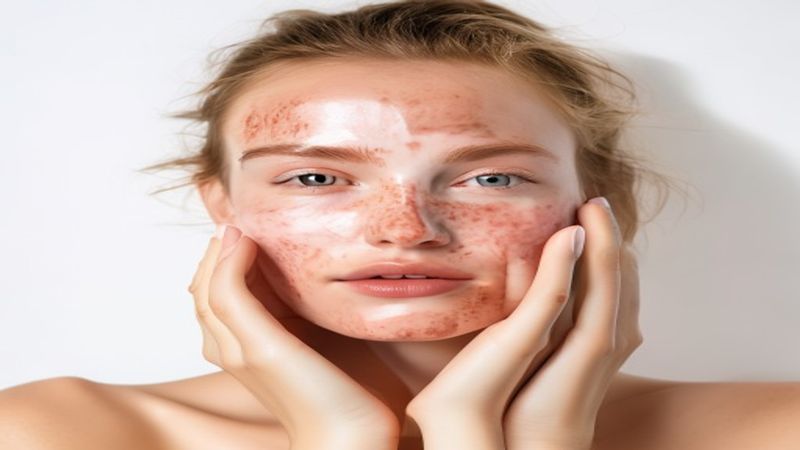
Rosacea affects an estimated 5-10% of the global population, yet most people with rosacea struggle to find skincare products that do not make their symptoms worse. The condition involves chronic inflammation, impaired skin barrier function, neurovascular dysregulation, and heightened sensitivity to environmental triggers — meaning that ingredients tolerated by most people can provoke flushing, burning, stinging, and papulopustular breakouts in rosacea-prone skin.
This guide is organized into two practical sections: ingredients to avoid and ingredients that help. We include the clinical rationale for each recommendation so you can make informed decisions about your routine. If you are unsure whether your skin issues are rosacea, eczema, or general sensitivity, our guides on eczema skincare ingredients and reactive skin management may also be helpful.
Understanding Rosacea and Product Sensitivity
Rosacea-prone skin differs from healthy skin in several key ways that affect product tolerance:
- Impaired barrier function: Studies show increased transepidermal water loss (TEWL) and reduced ceramide levels in rosacea skin, allowing irritants to penetrate more easily
- Neurovascular hyperreactivity: The nerves in rosacea skin release more neuropeptides (like CGRP and substance P) in response to stimuli, causing vasodilation and inflammation from triggers that would not affect normal skin
- Elevated baseline inflammation: Even between flares, rosacea skin has higher levels of cathelicidins (LL-37), matrix metalloproteinases, and pro-inflammatory cytokines
- Demodex mite overgrowth: Rosacea skin often has 5-10 times more Demodex folliculorum mites than healthy skin, contributing to inflammation
This means that rosacea is not just "sensitive skin" — it is a specific inflammatory condition that requires ingredient selection based on its unique pathophysiology.
Ingredients to Avoid With Rosacea
1. Alcohol Denat (Denatured Alcohol)
Denatured alcohol disrupts the lipid barrier, increases TEWL, and can trigger neurogenic inflammation in rosacea skin. It is commonly found in toners, lightweight moisturizers, and mattifying products. Note: fatty alcohols (cetyl alcohol, cetearyl alcohol, stearyl alcohol) are completely different — they are emollients that are generally well-tolerated by rosacea skin.
2. Fragrance and Essential Oils
Fragrance is the #1 cosmetic allergen overall and is particularly problematic for rosacea. Essential oils — including lavender, tea tree, peppermint, eucalyptus, and citrus oils — contain volatile compounds that can trigger vasodilation and neurogenic inflammation. Always choose fragrance-free products. Our fragrance-free skincare guide provides detailed product recommendations.
3. Witch Hazel
Despite its reputation as a "natural toner," witch hazel contains tannins that can be astringent and irritating to rosacea skin. Many commercial witch hazel preparations also contain alcohol (up to 14-15%), compounding the irritation. Avoid witch hazel in any form if you have rosacea.
4. Menthol, Camphor, and Peppermint
These cooling agents work by activating TRPM8 receptors on sensory neurons, which can trigger vasodilation and flushing in rosacea. They create a sensation of cooling but actually increase blood flow to the skin. Found in many "soothing" products, lip balms, and anti-itch formulations.
5. Sodium Lauryl Sulfate (SLS)
SLS is a harsh surfactant that strips the skin barrier — particularly problematic for rosacea skin, which already has compromised barrier function. Switch to sulfate-free cleansers with gentle surfactants like sodium cocoyl isethionate or coco-glucoside.
6. Strong AHAs (Glycolic Acid at High Concentration)
Glycolic acid at concentrations above 5% can be too irritating for rosacea skin due to its small molecular size and ability to penetrate deeply. If you want to exfoliate, lactic acid (larger molecule, gentler) at 5% or lower, or polyhydroxy acids (PHAs) like gluconolactone are better-tolerated alternatives. However, during active flares, avoid all chemical exfoliants.
7. Benzoyl Peroxide (at High Concentrations)
While benzoyl peroxide can help papulopustular rosacea (subtype 2), concentrations above 2.5% often cause excessive dryness and irritation that worsen rosacea overall. If a dermatologist recommends benzoyl peroxide, use the lowest effective concentration (2.5%) as a short-contact therapy (apply for 5 minutes, then rinse off).
8. Physical Exfoliants and Scrubs
Any abrasive product — scrubs, brushes, rough washcloths, microdermabrasion — can damage the already-fragile rosacea barrier and trigger mechanical flushing. These should be avoided entirely.
Ingredients That Help Rosacea
1. Niacinamide (Vitamin B3) — The Rosacea MVP
Niacinamide at 4-5% concentration is one of the most evidence-backed topical ingredients for rosacea. A randomized controlled trial published in the Journal of Cosmetic and Laser Therapy showed that 4% niacinamide significantly reduced facial redness, improved skin barrier function, and decreased TEWL in rosacea patients over 4 weeks. Niacinamide works by:
- Increasing ceramide synthesis, strengthening the skin barrier
- Inhibiting inflammatory mediators (IL-6, IL-8, TNF-alpha)
- Reducing sebum production
- Improving skin hydration
- Reducing redness through anti-inflammatory action
2. Azelaic Acid — Prescription-Strength Efficacy
Azelaic acid at 15-20% is one of the few topical treatments specifically FDA-approved for rosacea (marketed as Finacea). It has anti-inflammatory, anti-microbial (reduces Demodex and Cutibacterium acnes), and anti-keratinizing properties. Over-the-counter formulations at 10% can also be beneficial for mild rosacea. Azelaic acid is generally very well-tolerated — initial mild tingling is common but typically resolves within 2 weeks.
3. Ceramides
Since rosacea skin is deficient in ceramides, topical ceramide-containing moisturizers help restore the barrier. Look for products containing ceramide NP, ceramide AP, and ceramide EOP — ideally in combination with cholesterol and fatty acids, which mimics the natural lipid composition of the skin barrier. Our best moisturizer for dermatitis guide covers ceramide-rich options in detail.
4. Zinc Oxide
Zinc oxide serves double duty for rosacea: it is an excellent mineral sunscreen filter (UV protection is critical for rosacea management) and has inherent anti-inflammatory and antimicrobial properties. Tinted zinc oxide sunscreens can also provide immediate cosmetic camouflage of redness. For more on choosing sunscreen for reactive skin, see our sunscreen guide.
5. Centella Asiatica (Cica)
Centella asiatica extract and its active compounds (madecassoside, asiaticoside) have demonstrated anti-inflammatory and barrier-repair properties in multiple studies. "Cica" creams have become popular in Korean skincare specifically for redness and sensitivity. Centella is generally well-tolerated by rosacea skin, but ensure the product does not also contain fragrance or essential oils that counteract the benefits.
6. Hyaluronic Acid
Hyaluronic acid is a gentle humectant that hydrates without irritation. It draws water into the skin, plumping it and reducing the appearance of fine lines. For rosacea, medium-to-high molecular weight hyaluronic acid is preferred — very low molecular weight HA (sometimes marketed as "penetrating" or "nano") can theoretically trigger inflammation in compromised skin, though clinical evidence is mixed.
7. Allantoin
Allantoin is a gentle soothing agent with anti-irritant and moisturizing properties. It is derived from comfrey root (or synthesized) and has a long track record of safety. It is particularly useful in cleansers and moisturizers for rosacea skin.
Building a Rosacea-Safe Skincare Routine
Morning Routine
- Cleanse: Rinse with lukewarm water or use a fragrance-free, sulfate-free micellar water or gentle cream cleanser. Do not use foaming cleansers
- Treat (optional): Apply azelaic acid (10-15%) or niacinamide serum (4-5%) to damp skin
- Moisturize: Apply a fragrance-free, ceramide-rich moisturizer
- Sunscreen (essential): Apply mineral sunscreen (zinc oxide and/or titanium dioxide) SPF 30+. This is the most important step for rosacea management
Evening Routine
- Cleanse: Fragrance-free cleansing oil or micellar water to remove sunscreen, followed by a gentle cream cleanser if needed (double cleanse method)
- Treat (optional): Apply prescription treatments (metronidazole, ivermectin, azelaic acid) as directed by your dermatologist
- Moisturize: Apply ceramide-rich moisturizer. During flares, layering with a thin layer of petrolatum on top provides additional occlusive barrier protection
Rosacea Triggers Beyond Skincare
While this guide focuses on topical ingredients, it is important to know that rosacea has many non-skincare triggers that interact with product sensitivity:
- UV exposure: The #1 reported trigger (81% of rosacea patients). Wear mineral sunscreen daily
- Heat: Hot beverages, saunas, hot showers, and high ambient temperatures
- Spicy foods: Capsaicin activates TRPV1 receptors, triggering flushing
- Alcohol: Red wine and spirits are common triggers via vasodilation
- Stress: Emotional stress triggers neuropeptide release and flushing
- Temperature extremes: Both cold wind and hot environments can provoke flares
When to See a Dermatologist
Skincare optimization alone is often not enough for moderate to severe rosacea. See a dermatologist if:
- Over-the-counter products are not controlling your symptoms
- You have papules and pustules (bumps and pus-filled spots) — these typically require prescription treatment
- You are developing visible blood vessels (telangiectasia) — laser treatment may be indicated
- Your nose is thickening or becoming bumpy (rhinophyma) — early intervention is important
- Eye symptoms (ocular rosacea): burning, gritty sensation, redness, or frequent styes
Managing rosacea starts with knowing exactly what is in your skincare products. Use SkinDetekt's ingredient checker to screen any product for rosacea-triggering ingredients — fragrance, alcohol, SLS, harsh acids, and other known irritants. Compare products side by side to choose the gentler option, and track your flare triggers over time to build a personalized rosacea management plan that goes beyond generic advice.
Frequently Asked Questions
What skincare ingredients should I avoid with rosacea?
The top ingredients to avoid with rosacea include: alcohol denat (denatured alcohol), witch hazel, menthol, camphor, peppermint, eucalyptus, sodium lauryl sulfate (SLS), fragrance/parfum, essential oils (especially citrus and mint families), glycolic acid and other strong AHAs, benzoyl peroxide (at concentrations above 2.5%), retinoids at high concentrations, and physical exfoliants (scrubs). These ingredients can trigger vasodilation, barrier disruption, or neurogenic inflammation that worsens rosacea flushing and burning.
What skincare ingredients help rosacea?
Evidence-backed beneficial ingredients for rosacea include: niacinamide (vitamin B3) at 4-5% — reduces redness and strengthens the barrier; azelaic acid at 15-20% — anti-inflammatory and approved for rosacea treatment; ceramides — repair the compromised skin barrier; zinc oxide — provides sun protection and has anti-inflammatory properties; centella asiatica — soothes inflammation and promotes barrier repair; hyaluronic acid — hydrates without irritation; and allantoin — gentle soothing agent with anti-inflammatory properties.
Can I use retinol if I have rosacea?
Retinol can be used cautiously by some rosacea patients, but it requires careful management. Standard retinol is often too irritating for rosacea-prone skin — it can trigger flares, especially in the first 4-8 weeks. If you want to use retinol, start with the lowest concentration available (0.01-0.03%), apply only 1-2 times per week, use the "buffering" method (apply over moisturizer), and increase very gradually. Prescription retinoids like adapalene 0.1% gel have been shown to help papulopustular rosacea under dermatologist supervision.
Is sunscreen important for rosacea?
Sunscreen is arguably the single most important skincare product for rosacea. UV exposure is the #1 reported trigger for rosacea flares, causing vasodilation, inflammation, and worsening of visible blood vessels. Use a broad-spectrum SPF 30+ sunscreen daily, even on cloudy days. Mineral (zinc oxide/titanium dioxide) sunscreens are generally better tolerated than chemical sunscreens for rosacea, as chemical filters like oxybenzone and octocrylene can irritate sensitive rosacea skin.
Can rosacea be caused by skincare products?
Skincare products cannot cause rosacea (which has genetic, vascular, and immune components), but they can absolutely trigger flares, worsen symptoms, and accelerate progression. Harsh cleansers, alcohol-based toners, strong exfoliants, and fragrance-heavy products can all provoke flushing, burning, and papulopustular breakouts in rosacea-prone skin. Building a gentle, rosacea-compatible skincare routine can significantly reduce flare frequency and severity.
Find your personal cosmetic triggers
SkinDetekt tracks your products and reactions, then uses AI to identify which ingredients cause YOUR skin reactions.
Download on App Store