What Does a Cosmetic Allergy Look Like? Photos & Symptoms Guide
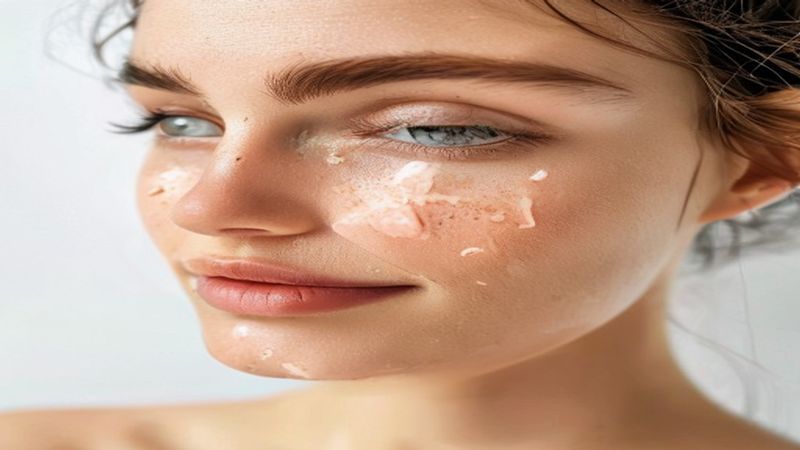
A cosmetic allergic reaction typically appears as red, itchy, swollen patches of skin in the area where the product was applied. The appearance ranges from subtle pinkness and mild dryness to angry, inflamed, blistering skin depending on the severity. Because cosmetic allergies are a form of allergic contact dermatitis (ACD), they follow a characteristic pattern: the reaction develops 24 to 72 hours after exposure, centers on the area of contact, and features itching as the dominant symptom. While we can't include clinical photographs, this guide provides detailed visual descriptions by severity, body area, and type so you can compare what you're seeing on your own skin.
Allergic Contact Dermatitis vs. Irritant Contact Dermatitis: What Each Looks Like
Before examining specific symptoms, it's critical to distinguish between the two main types of cosmetic reactions. They look different, feel different, and have different implications for your skincare routine. Understanding the difference is essential for proper treatment — and you can learn more in our detailed allergy vs. irritation guide.
Allergic Contact Dermatitis (ACD) — Immune System Reaction
ACD is a true immune-mediated allergy. Its visual hallmarks include:
- Redness pattern: Deep, blotchy redness that may have slightly irregular borders. The color ranges from bright pink in lighter skin tones to dusky red or hyperpigmented patches in darker skin tones.
- Texture: Raised, bumpy surface with small papules (tiny solid bumps) or vesicles (tiny fluid-filled blisters) clustered together. The skin often looks "pebbly" or rough to the touch.
- Swelling: Noticeable puffiness, especially on thin-skinned areas. Eyelids may swell to the point of being difficult to open.
- Edges: May extend slightly beyond the exact area of product application, as the immune response can spread to adjacent tissue.
- Dominant sensation: Intense itching is the primary symptom. The urge to scratch can be overwhelming.
- Timeline: Appears 24 to 72 hours after exposure. Worsens over several days before gradually improving.
Irritant Contact Dermatitis (ICD) — Chemical Damage
ICD is not an immune response but rather direct chemical damage to the skin. Its visual hallmarks include:
- Redness pattern: More uniform redness, often with sharply defined borders that exactly match where the product was applied. Looks like a mild chemical burn.
- Texture: Dry, raw, chapped, or glazed-looking skin. Less bumpy than ACD. May show fine cracking, especially on the hands.
- Swelling: Less swelling than ACD. The skin looks more flat and damaged rather than puffy and inflamed.
- Edges: Strictly confined to the contact area with sharp cutoffs.
- Dominant sensation: Burning, stinging, or rawness rather than itching. Feels more like a wound than an itch.
- Timeline: Can appear within minutes to hours of exposure. Improves quickly once the irritant is removed.
Symptoms by Severity: Mild, Moderate, and Severe
Mild Cosmetic Allergic Reaction
A mild reaction is the most common presentation. What you'll see:
- Faint pink to light red patches of skin, as if the area is slightly flushed
- Subtle dryness or fine flaking, like very mild sunburn peeling
- Slightly rough or gritty texture when you run your fingers over the area
- Possible faint outline matching where the product was applied
- Minimal or no swelling
- Light itching that's noticeable but not distressing
At this stage, the reaction is easy to dismiss as "dry skin," mild weather irritation, or even just your skin being "a little off." Many people continue using the product because the symptoms seem too minor to be an allergy. However, this mild stage is actually the best time to act — stop the product and the reaction resolves quickly. Continue, and it progresses.
Moderate Cosmetic Allergic Reaction
A moderate reaction is unmistakably abnormal. What you'll see:
- Clearly visible redness — deep pink to red — that others can notice from conversational distance
- Obvious swelling, particularly around the eyes, lips, and jawline
- Clusters of small bumps (papules) that give the skin a rough, sandpaper-like texture
- Noticeable flaking or peeling, sometimes in larger sheets rather than fine dust
- Skin feels tight and uncomfortable, as if it's one size too small
- Warmth radiating from the affected area — visibly and physically hot to the touch
- Persistent itching that's difficult to ignore and may disrupt sleep
- In darker skin tones, the area may appear darker than surrounding skin (hyperpigmented) rather than classically red
Moderate reactions are the stage where most people realize something is wrong and seek help. The skin looks inflamed, angry, and obviously unhealthy. This is also the stage where the reaction is most commonly confused with eczema or rosacea.
Severe Cosmetic Allergic Reaction
A severe reaction is distressing and requires medical attention. What you'll see:
- Intense, deep red or even purplish discoloration of the skin
- Significant swelling that distorts normal facial features — eyelids may swell shut, lips may double in size
- Vesicles (small blisters) or bullae (larger blisters) filled with clear fluid
- Oozing or weeping — blisters may burst, leaving raw, wet patches that eventually crust over with yellowish or honey-colored crusting
- Cracking at skin fold areas (corners of mouth, eyelid creases) that may bleed slightly
- Skin that looks raw and wounded rather than just irritated
- Possible secondary infection signs: increased pain, pus, expanding redness, or warmth spreading beyond the original reaction area
- In darker skin tones, severe post-inflammatory hyperpigmentation can develop as the reaction heals
Severe reactions demand prompt dermatological care. Do not attempt to self-treat with over-the-counter products if you see blistering, oozing, or significant facial swelling.
What It Looks Like by Body Area
The same allergic reaction can look quite different depending on where it occurs, because skin thickness, sensitivity, and exposure patterns vary across the body.
Face (Cheeks, Forehead, Chin)
Facial skin is moderately thin and highly visible, making reactions here the most distressing for most people. Expect diffuse redness and swelling that can make the face look "puffy" or moon-shaped. Small papules may cluster on the cheeks, resembling a rough rash. Flaking often concentrates around the nose, chin, and forehead. The reaction frequently mimics rosacea (redness and flushing) or acne (bumps), leading to misdiagnosis and incorrect treatment.
Eyelids
Eyelid skin is the thinnest on the entire body — approximately 0.5mm thick — making it exquisitely sensitive to allergens. Even trace amounts of an allergen can cause dramatic reactions here. Eyelid allergic contact dermatitis presents as puffy, wrinkled, reddened eyelids that may feel leathery or papery. In severe cases, the swelling can make it difficult to open the eyes fully. Chronic eyelid ACD produces a characteristic appearance: darkened, thickened, creased skin that looks prematurely aged.
Importantly, eyelid reactions are often caused by products not applied directly to the eyes. Allergens in nail polish (transferred by touching the face), hair products (dripping during rinsing), and even airborne fragrances can trigger eyelid reactions. This "ectopic" or transferred contact dermatitis makes eyelid reactions especially difficult to diagnose without professional patch testing.
Lips and Perioral Area
Lip skin lacks the protective stratum corneum of regular skin, making it highly permeable to allergens. Allergic reactions here cause dryness, cracking, peeling, and redness that extends slightly beyond the lip border onto the surrounding skin (a key distinguishing feature from simple chapped lips, which stay on the lip itself). Chronic lip ACD can cause the lips to look raw, scaly, and perpetually peeling despite constant moisturizing. Common triggers include lip products, toothpaste ingredients, and fragrances in products applied to the face.
Scalp and Hairline
Scalp reactions are often hidden by hair and misidentified as dandruff or seborrheic dermatitis. Look for redness and flaking along the hairline, behind the ears, and at the nape of the neck — areas where hair products accumulate. The scalp may itch intensely, and you may notice small crusty patches. Hair dye reactions, in particular, can cause dramatic swelling of the entire scalp and face, sometimes requiring emergency treatment. The hairline border is often the most visually affected area, creating a visible line of redness where the product meets exposed skin.
Hands and Fingers
Hands contact countless products throughout the day. Hand ACD typically appears on the backs of the hands and between the fingers (where skin is thinner), presenting as dry, cracked, red, itchy patches. Chronic hand ACD can cause the fingertips to split painfully, the skin to thicken (lichenification), and the nails to develop ridges or pitting if the surrounding skin is chronically inflamed. Hand reactions are frequently caused by preservatives, fragrances, and surfactants in hand soaps, hand creams, and cleaning products.
Neck and Décolletage
The neck is a common site for perfume and fragrance allergies. Reactions here appear as red, streaky patches often following the spray pattern. The skin may develop a rough, bumpy texture (sometimes called "fragrance rash") with intense itching. Because neck skin is relatively thin and frequently exposed to UV light, post-inflammatory hyperpigmentation after a reaction can be particularly pronounced and long-lasting.
Symptom Comparison: Quick Reference
Use this comparison to help identify what type of reaction you're experiencing:
- Itching dominant → Likely ACD (allergic contact dermatitis)
- Burning/stinging dominant → Likely ICD (irritant contact dermatitis)
- Bumpy, raised texture → More typical of ACD
- Dry, raw, chapped texture → More typical of ICD
- Delayed onset (24-72 hours) → Characteristic of ACD
- Immediate onset (minutes to hours) → Characteristic of ICD
- Spreads beyond application area → Suggests ACD
- Strictly limited to contact area → Suggests ICD
- Worsens with repeated exposure → Both, but especially ACD
- Blistering/oozing → Severe ACD or strong irritant exposure
When It Mimics Other Conditions
Cosmetic allergic reactions are frequently misdiagnosed because they can closely resemble other skin conditions. Here's how to tell the difference:
Cosmetic Allergy vs. Eczema (Atopic Dermatitis)
Eczema tends to be chronic, appears in characteristic locations (inner elbows, behind knees, hands), and often has a childhood onset. Cosmetic ACD maps to where products are applied, has a clearer onset timeline, and often appears in adults without a history of eczema. However, people with eczema are at higher risk for developing contact allergies because their compromised skin barrier allows more allergen penetration. If your "eczema" only affects areas where you apply specific products, consider ACD as the actual diagnosis.
Cosmetic Allergy vs. Rosacea
Rosacea causes persistent facial redness, visible blood vessels, and sometimes acne-like bumps, typically on the central face (nose, cheeks, forehead, chin). Cosmetic ACD can look very similar but usually has a more sudden onset, clearer correlation with product use, features more itching (rosacea primarily causes burning/stinging), and may not follow rosacea's central-face pattern. If your "rosacea" started or worsened after introducing a new product, a cosmetic allergy should be investigated.
Cosmetic Allergy vs. Acne
Some cosmetic allergic reactions cause papules (bumps) that look like acne. Key differences: allergic papules are usually uniform in size, appear rapidly across an area rather than as individual lesions, are intensely itchy (acne rarely itches), lack whiteheads and blackheads, and correlate with product introduction. If you develop "acne" suddenly and it itches, think allergy.
Cosmetic Allergy vs. Fungal Infection
Fungal infections (tinea, pityrosporum folliculitis) can cause red, itchy patches with bumps, similar to ACD. Fungal infections tend to have a ring-like pattern with clearer centers, scale with a well-defined raised border, and don't correlate with product use. However, they can be triggered by occlusive cosmetic products that create a moist environment favorable to fungal growth. If your rash has a ring-like or circular pattern, see a dermatologist for proper diagnosis.
Important Notes for Darker Skin Tones
Most descriptions of cosmetic allergic reactions are based on how they appear on lighter skin, which can lead to missed or delayed diagnoses in people with darker skin tones. In melanin-rich skin:
- Redness may appear as darkening, purplish discoloration, or subtle color changes rather than bright red
- Swelling and texture changes (bumps, roughness) may be more reliable indicators than color change
- Post-inflammatory hyperpigmentation (dark marks) is more common and can last months after the reaction clears
- Post-inflammatory hypopigmentation (lighter patches) can also occur
- The reaction may be more easily felt than seen — pay attention to itching, roughness, and warmth
Identifying Your Trigger
Once you've recognized that your skin symptoms match a cosmetic allergic reaction, the next crucial step is identifying the specific ingredient responsible. Our guide on finding your skin allergy trigger walks you through this process. Start by listing every product that touches the affected area, then run each product's ingredients through the SkinDetekt ingredient checker to flag common allergens you may be reacting to.
Knowing what a cosmetic allergy looks like is the first step — but identifying the specific ingredient behind it is what actually solves the problem. Use the SkinDetekt ingredient checker to analyze your products, compare ingredients across your routine, and pinpoint exactly which substances to avoid. The sooner you identify your trigger, the sooner your skin can heal.
Frequently Asked Questions
What does an allergic reaction to skincare look like?
A cosmetic allergic reaction typically appears as red, itchy, swollen patches of skin at the site where the product was applied. Mild reactions look like pink, slightly raised patches with fine scaling. Moderate reactions show deeper redness, visible swelling, small bumps or papules, and flaking. Severe reactions can include blistering, oozing, crusting, and significant swelling, especially around the eyes and lips.
How can I tell if my rash is from skincare or something else?
Cosmetic allergic reactions follow the pattern of where you applied the product. If redness and itching match the exact area where you used a specific product, that is a strong indicator. The reaction also typically appears 24 to 72 hours after exposure, not immediately. If the rash is in areas that don't correspond to product application, other causes like eczema, rosacea, or fungal infection should be considered.
What is the difference between allergic and irritant reactions on skin?
Allergic contact dermatitis (ACD) involves the immune system — it develops after repeated exposure, appears 24 to 72 hours after contact, causes intense itching, and may spread slightly beyond the application area. Irritant contact dermatitis (ICD) is direct chemical damage — it can happen on first use, causes burning or stinging more than itching, and stays strictly within the contact area. ACD tends to look more bumpy and swollen, while ICD looks more dry, raw, and chapped.
Can a cosmetic allergy look like acne?
Yes. Some cosmetic allergic reactions cause small, uniform bumps (papules) that can closely resemble acne. The key differences are that allergic bumps are usually itchy (acne is not), they appear relatively suddenly across an area rather than as individual pimples, they don't have the whiteheads or blackheads typical of acne, and they correlate with starting a new product.
Why are my eyelids swollen from skincare products?
Eyelid skin is the thinnest on the body (about 0.5mm thick), making it extremely vulnerable to allergens. Eyelids can react to products applied directly (eye cream, mascara) or transferred from other areas (nail polish allergens transferred by touching your face, hair product dripping during rinsing). Eyelid allergic reactions cause significant swelling, redness, itching, and flaking that can look dramatic even from mild allergen exposure.
Find your personal cosmetic triggers
SkinDetekt tracks your products and reactions, then uses AI to identify which ingredients cause YOUR skin reactions.
Download on App Store