Is Double Cleansing Safe for Sensitive Skin? A Dermatologist's Perspective
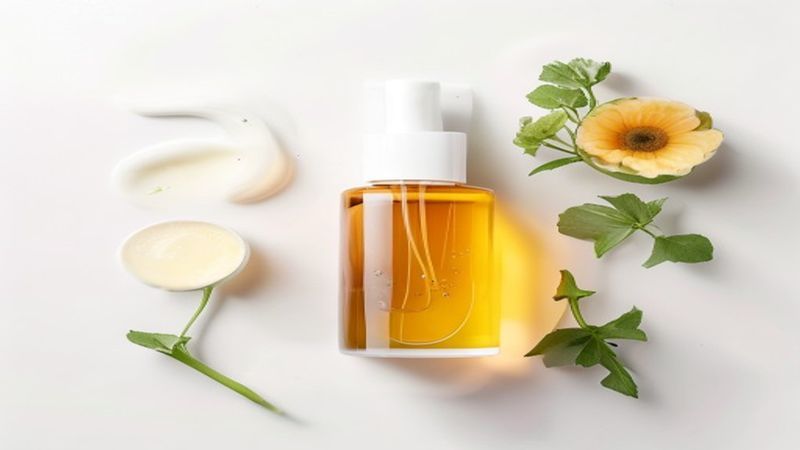
Double cleansing can be safe for sensitive skin if you choose the right products, but it is not necessary for everyone and can worsen barrier damage if done incorrectly. The technique — using an oil-based cleanser followed by a water-based cleanser — originated in Korean skincare to thoroughly remove sunscreen and makeup. When done gently with appropriate products, it is effective. When done with harsh or fragranced cleansers, it is one of the fastest ways to destroy a sensitive skin barrier.
What Double Cleansing Actually Is
Double cleansing is a two-step process. The first step uses an oil-based product — such as a cleansing oil, cleansing balm, or micellar water — to dissolve oil-soluble impurities like sunscreen, makeup, sebum, and environmental pollutants. The second step uses a water-based cleanser to remove any remaining residue and water-soluble impurities like sweat and dirt.
The logic is sound: oil dissolves oil-based products more effectively than water-based cleansers alone, and a follow-up water-based cleanse ensures the skin is truly clean. The problem arises when people use products that are too aggressive for their skin type, or when they double cleanse unnecessarily.
When Double Cleansing Helps
Double cleansing is genuinely beneficial in specific situations, even for sensitive skin:
- Heavy or waterproof sunscreen removal. Mineral and chemical sunscreens — especially water-resistant formulas — form a film on the skin that many gentle cleansers cannot fully remove in one pass. Residual sunscreen can clog pores and interfere with the absorption of evening skincare products.
- Full makeup removal. Foundation, concealer, and long-wear products require an oil-based first step for complete removal. Trying to remove them with a water-based cleanser alone often leads to excessive rubbing, which irritates sensitive skin.
- Silicone-heavy product removal. Silicone-based primers and some moisturizers leave a film that water-based cleansers struggle to dissolve.
Risks of Double Cleansing for Sensitive Skin
For sensitive and barrier-compromised skin, double cleansing carries real risks if the approach is wrong:
- Over-stripping of natural lipids. Every cleansing step removes some of the skin's natural lipid barrier. Two aggressive cleansers in a row can strip ceramides, cholesterol, and fatty acids that sensitive skin desperately needs.
- Increased transepidermal water loss (TEWL). A compromised barrier leads to increased water loss, resulting in dehydration, tightness, and heightened sensitivity to other products.
- Surfactant irritation. Many foaming cleansers contain sodium lauryl sulfate (SLS) or other anionic surfactants that are known irritants. Using them as the second cleanse after an already-cleansed face amplifies their irritation potential.
- Disrupted skin pH. Healthy skin has a pH of approximately 4.5 to 5.5. High-pH cleansers (bar soaps, some foaming washes) shift the skin's pH upward, disrupting the acid mantle and creating an environment where irritation and bacterial overgrowth become more likely.
Safe First Cleanse Options for Sensitive Skin
The first cleanse should be the gentlest step. The goal is to dissolve oil-based impurities without introducing surfactants or irritants:
- Micellar water (fragrance-free). Micellar water contains mild surfactant micelles that attract oil and debris. Apply with a soft cotton pad using minimal pressure — no rubbing. This is one of the gentlest first-cleanse options available.
- Pure oil cleansing. Plain mineral oil, jojoba oil, or squalane can be massaged gently onto dry skin to dissolve sunscreen and makeup, then removed with a soft damp cloth. No surfactants involved.
- Fragrance-free cleansing balm or oil. Look for formulations without fragrance, essential oils, or drying emulsifiers. The cleanser should rinse cleanly without leaving a heavy residue or requiring aggressive wiping.
Safe Second Cleanse: Gentle, Non-Foaming Options
The second cleanse should be as mild as possible. Your skin has already been mostly cleaned by the first step — the second step just handles the remaining light residue:
- Cream or milk cleansers. These low-surfactant formulas cleanse without foaming and are ideal for dry or sensitive skin. Look for products with a pH between 4.5 and 6.0.
- Gentle gel cleansers (non-foaming). Some gel cleansers produce minimal or no foam and use mild surfactants like coco-glucoside or decyl glucoside rather than SLS or SLES.
- Hydrating cleansers with ceramides. Cleansers that contain ceramides, hyaluronic acid, or glycerin help replenish moisture during the cleansing process rather than stripping it away.
Cleanser Ingredients to Avoid for Sensitive Skin
Whether you single or double cleanse, certain ingredients in cleansers are especially problematic for sensitive and reactive skin:
- Sodium lauryl sulfate (SLS) — A strong anionic surfactant and known skin irritant. Not to be confused with sodium laureth sulfate (SLES), which is milder but still potentially irritating for very sensitive skin.
- Fragrance and essential oils — Leading causes of allergic contact dermatitis. Cleansers remain on the skin briefly but repeated daily exposure accumulates sensitization risk.
- Alcohol denat (denatured alcohol) — Drying and barrier-disrupting when present in high concentrations in rinse-off products.
- Exfoliating acids in cleansers — Salicylic acid or glycolic acid in a cleanser adds unnecessary irritation potential, especially if you use chemical exfoliants in your leave-on products. Learn more about safe exfoliation in our guide to chemical exfoliation for beginners.
Not sure what's in your cleanser? Run the ingredient list through our ingredient checker to flag any known irritants or allergens.
When Single Cleansing Is Enough
For many people with sensitive skin, single cleansing is not just sufficient — it is preferable. You can skip double cleansing if:
- You wear no makeup or only light, non-waterproof makeup.
- You use a lightweight, non-water-resistant sunscreen that washes off easily.
- Your skin barrier is currently compromised (tightness, stinging, flaking).
- You have been diagnosed with conditions like eczema, rosacea, or perioral dermatitis where minimal cleansing is recommended.
- It is the morning — there is never a reason to double cleanse in the morning.
A single gentle cleanser that effectively removes your sunscreen and any light makeup is the simplest approach and carries the lowest risk of irritation. Many modern gentle cleansers are formulated to handle both oil-soluble and water-soluble impurities in one step.
Tips for Double Cleansing Without Damaging Sensitive Skin
If you determine that double cleansing is right for your routine, follow these guidelines to protect your barrier:
- Be gentle. Use light pressure with fingertips — never scrub, use a washcloth aggressively, or use a cleansing device on sensitive skin.
- Keep it brief. Each cleansing step should take no more than 30 to 60 seconds. Prolonged contact with surfactants increases irritation potential.
- Use lukewarm water. Hot water strips lipids faster and increases redness. Cool to lukewarm is ideal.
- Moisturize immediately. Apply your moisturizer or hydrating toner within 60 seconds of patting dry to lock in hydration before transepidermal water loss occurs.
- Only double cleanse at night. The morning requires only a gentle single cleanse or even a plain water rinse.
Building a cleansing routine that respects your skin barrier starts with knowing exactly what is in your products. Use the SkinDetekt ingredient checker to analyze any cleanser's formula for hidden sulfates, fragrances, and other ingredients that could be undermining your sensitive skin — so you can cleanse effectively without compromising your barrier.
Frequently Asked Questions
Is double cleansing necessary for sensitive skin?
No. Double cleansing is not necessary for everyone with sensitive skin. It is most beneficial when you need to remove heavy sunscreen, waterproof makeup, or silicone-based primers. If you wear minimal or no makeup and use a lightweight sunscreen, a single gentle cleanser is usually sufficient and less likely to compromise your skin barrier.
What is the best first cleanser for sensitive skin double cleansing?
The best first cleansers for sensitive skin are fragrance-free micellar water, plain mineral oil, or a gentle oil-based cleanser without essential oils or fragrance. These dissolve sunscreen and makeup without surfactants that strip the skin barrier. Avoid oil cleansers that contain drying emulsifiers or strong fragrances.
Can double cleansing cause skin barrier damage?
Yes, if done incorrectly. Using harsh foaming cleansers, cleansers with high-pH formulas, or products containing sulfates like sodium lauryl sulfate can strip essential lipids from the skin barrier. Over-cleansing — scrubbing too vigorously or cleansing for too long — also contributes to barrier damage, increased sensitivity, and transepidermal water loss.
How do you know if you are over-cleansing your face?
Signs of over-cleansing include skin that feels tight or squeaky after washing, increased redness or sensitivity, flaking or peeling that was not present before, a shiny but dehydrated appearance, and new breakouts caused by a compromised barrier. If you experience these symptoms, simplify your cleansing routine immediately.
Should you double cleanse in the morning?
No. Double cleansing in the morning is unnecessary and counterproductive, especially for sensitive skin. Overnight, your skin produces only sebum and sheds dead skin cells — a gentle water rinse or a single mild cleanser is sufficient. Morning over-cleansing strips protective lipids and can increase sensitivity throughout the day.
Find your personal cosmetic triggers
SkinDetekt tracks your products and reactions, then uses AI to identify which ingredients cause YOUR skin reactions.
Download on App Store