Allergic Reaction to Face Cream: Symptoms, Causes & What to Do
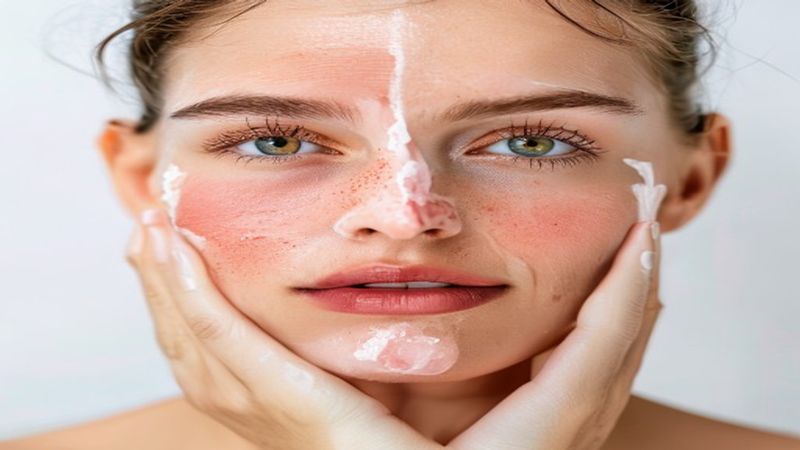
An allergic reaction to face cream typically appears as redness, itching, swelling, or tiny blisters that develop 12-72 hours after application. Unlike simple irritation that burns immediately, a true allergic reaction (allergic contact dermatitis) involves your immune system and tends to worsen with repeated exposure. The face is one of the most common sites for cosmetic allergies because the skin is thinner and more permeable than other body areas, allowing ingredients to penetrate more easily.
Understanding whether your reaction is a true allergy or simple irritation matters — the treatment, prevention strategy, and long-term outlook are very different. This guide covers everything you need to know about facial allergic reactions to skincare products, from identifying symptoms to preventing future flare-ups.
Immediate Reactions vs. Delayed Allergic Reactions
One of the most confusing aspects of face cream reactions is timing. Not all reactions happen right away, and the timing often reveals whether you're dealing with irritation or a true allergy.
Immediate reactions (irritant contact dermatitis) occur within minutes to hours of application. You'll feel burning, stinging, or tightness right away. The skin may turn red and feel raw. This is a direct chemical injury to the skin barrier — it's not an immune response, and anyone can experience it if the product is strong enough or the skin barrier is compromised.
Delayed reactions (allergic contact dermatitis) typically appear 12-72 hours after exposure, though they can sometimes take up to a week. The hallmark symptom is intense itching rather than burning. You may see redness, swelling, tiny fluid-filled blisters (vesicles), and eventually dry, flaky, or cracked skin. This is a Type IV hypersensitivity reaction — your immune system's T-cells recognize a specific ingredient as a threat and mount an inflammatory response.
For a deeper dive into distinguishing these two conditions, see our allergy vs. irritation guide.
Allergic Contact Dermatitis vs. Irritant Contact Dermatitis: Symptoms Side by Side
Recognizing the type of reaction helps determine the best course of action:
Allergic contact dermatitis (ACD) symptoms:
- Intense itching (the defining feature)
- Redness and swelling that may spread slightly beyond the application area
- Small blisters or vesicles that may weep clear fluid
- Delayed onset — usually 24-72 hours after exposure
- Reactions worsen with each subsequent exposure
- May affect areas where the product was not directly applied (spreading pattern)
Irritant contact dermatitis (ICD) symptoms:
- Burning, stinging, or tightness (more pain than itch)
- Redness confined strictly to the area of application
- Dry, cracked, or chapped-looking skin
- Immediate or near-immediate onset
- Reaction intensity is dose-dependent — more product means worse reaction
- Can improve if the skin barrier is repaired, even without removing the product permanently
Our complete contact dermatitis guide explains the clinical differences in greater detail.
Most Common Allergens in Face Creams
Research consistently identifies several ingredient categories as the most frequent causes of allergic reactions to facial products:
Fragrance
Fragrance is the single most common cause of cosmetic contact allergies, responsible for an estimated 30-45% of cosmetic allergic reactions. The term "fragrance" or "parfum" on a label can represent a blend of dozens of individual chemicals. The EU has identified 26 specific fragrance allergens that must be listed individually when present above certain concentrations, including linalool, limonene, citral, geraniol, and eugenol.
Preservatives
Preservatives are the second most common cause of cosmetic allergies. Key culprits include:
- Methylisothiazolinone (MI) and Methylchloroisothiazolinone/Methylisothiazolinone (MCI/MI): Once widely used, now banned from leave-on products in the EU due to high sensitization rates
- Formaldehyde releasers: Ingredients like DMDM hydantoin, imidazolidinyl urea, diazolidinyl urea, and quaternium-15 slowly release formaldehyde to preserve products
- Parabens: While less allergenic than MI or formaldehyde releasers, methylparaben and propylparaben can still cause reactions in sensitized individuals
Lanolin
Lanolin (wool wax alcohol) is derived from sheep's wool and is a common emollient in rich face creams and lip products. It's a well-documented allergen, with sensitization rates estimated at 1-6% of dermatitis patients.
Other Common Allergens
- Propylene glycol: A humectant and penetration enhancer found in many products
- Cocamidopropyl betaine: A surfactant derived from coconut oil, found in cleansers
- Tocopheryl acetate (vitamin E): Paradoxically, this "soothing" ingredient is a documented allergen
- Botanical extracts: Essential oils and plant extracts, despite being "natural," contain potent allergens
What to Do Immediately After a Reaction
If you suspect an allergic reaction to a face cream, take these steps right away:
- Stop using the product immediately. Do not try to "push through" thinking your skin will adjust — allergic reactions worsen with continued exposure.
- Wash the area gently. Use lukewarm water and a fragrance-free, gentle cleanser to remove any remaining product. Avoid scrubbing, which further damages the barrier.
- Apply a cool compress. A clean cloth dampened with cool water can reduce swelling and soothe itching. Apply for 15-20 minutes at a time.
- Use OTC hydrocortisone 1%. A thin layer of over-the-counter hydrocortisone cream can reduce inflammation and itching. Apply twice daily for up to 7 days. Avoid using stronger steroids on the face without medical guidance.
- Take an oral antihistamine. Cetirizine or diphenhydramine can help with itching, though they are less effective for contact dermatitis than for hives since the mechanism is T-cell mediated rather than histamine-driven.
- Moisturize with a bland emollient. Plain petroleum jelly or a fragrance-free ceramide moisturizer helps repair the skin barrier. Look for products with minimal ingredients to reduce risk of further irritation.
- Save the product. Keep the product and photograph the ingredient list — your dermatologist will need this information for patch testing.
When to See a Doctor
While mild reactions can be managed at home, certain situations warrant professional medical attention:
- The reaction covers a large area of your face or is spreading
- You develop blisters that are weeping or crusting
- Swelling around the eyes that affects your vision
- The reaction doesn't improve within 1-2 weeks of stopping the product
- You develop signs of infection — increased pain, warmth, pus, or fever
- You experience any difficulty breathing, throat tightness, or widespread hives (seek emergency care immediately)
- This is a recurring problem and you cannot identify the trigger ingredient
A dermatologist can perform patch testing — the gold standard for identifying specific contact allergens. During this test, small amounts of standardized allergens are applied to your back under adhesive patches, removed after 48 hours, and read again at 72-96 hours to identify delayed allergic reactions.
How to Identify the Culprit Ingredient
Finding the exact ingredient responsible for your reaction requires a systematic approach:
- Compare ingredient lists. If you've reacted to multiple products, cross-reference their ingredient lists. Common ingredients across reactive products are your prime suspects. Use the SkinDetekt ingredient checker to quickly flag known allergens in any product.
- Consider timing. Did you recently switch to a new product or a new formulation of an existing product? Brands sometimes reformulate without prominently advertising changes.
- Get patch tested. A dermatologist can test you against a standard series of 80+ common allergens plus any specific products or ingredients you bring in.
- Keep a skincare diary. Log every product you use, when you use it, and any symptoms. Patterns often emerge that aren't obvious otherwise.
Preventing Future Allergic Reactions
Once you know which ingredient (or ingredient category) triggers your reactions, prevention becomes much more manageable:
- Read every ingredient list. Your allergen can appear in unexpected products — shampoo that runs down your face, hand cream transferred by touch, or your partner's products during close contact.
- Choose fragrance-free products. Since fragrance is the most common culprit, eliminating it removes a major risk factor. Remember that "unscented" does not mean fragrance-free — unscented products may contain masking fragrances.
- Patch test new products at home. Before applying any new product to your face, apply a small amount to the inside of your forearm twice daily for 5-7 days. If no reaction occurs, try a small area near your jawline for another few days before full-face use.
- Simplify your routine. Fewer products means fewer potential allergens. A basic routine of gentle cleanser, moisturizer, and sunscreen is sufficient for most skin types.
- Use digital tools. Run product ingredient lists through the SkinDetekt ingredient checker before purchasing to identify potential allergens proactively.
Protect Your Skin with SkinDetekt
Allergic reactions to face creams are frustrating, but they're largely preventable once you know your triggers. SkinDetekt helps you take control by analyzing product ingredients against known allergens and sensitizers in seconds. Use our free ingredient checker to screen any product before it touches your skin — whether you're shopping online, standing in a store aisle, or evaluating products recommended by friends. Your skin deserves informed choices.
Frequently Asked Questions
How long does an allergic reaction to face cream last?
A mild allergic reaction to face cream typically lasts 1-3 weeks after you stop using the product. Severe reactions with blistering or widespread rash may take 3-4 weeks to fully resolve. If symptoms persist beyond a month or worsen despite stopping the product, see a dermatologist for evaluation and possible patch testing.
Can you suddenly become allergic to a face cream you have used for years?
Yes, you can develop an allergy to a product at any time, even after years of use. This happens because allergic contact dermatitis requires a sensitization phase — your immune system first learns to recognize an ingredient as a threat, which can take months or years of exposure before a reaction finally occurs.
What is the difference between irritation and allergy from face cream?
Irritation (irritant contact dermatitis) causes immediate burning or stinging and is a direct chemical damage to the skin — anyone can experience it with enough exposure. An allergy (allergic contact dermatitis) involves the immune system, typically appears 12-72 hours after use, causes intense itching, and only affects people who have become sensitized to a specific ingredient.
Should I go to the ER for an allergic reaction on my face?
Go to the ER if you experience difficulty breathing, throat swelling, swelling of lips or tongue, dizziness, or widespread hives beyond the application area — these may indicate anaphylaxis, which is rare but serious. For localized skin reactions like redness, itching, or blistering confined to where you applied the cream, urgent care or a dermatologist appointment is appropriate.
How do I find out which ingredient I am allergic to?
The gold standard for identifying the specific allergen is patch testing performed by a dermatologist. During this test, small amounts of common allergens are applied to your back under adhesive patches for 48 hours, then read at 48 and 96 hours. You can also use tools like the SkinDetekt ingredient checker to cross-reference product ingredients against known allergens before your appointment.
Find your personal cosmetic triggers
SkinDetekt tracks your products and reactions, then uses AI to identify which ingredients cause YOUR skin reactions.
Download on App Store