Makeup Allergy Around Eyes: Causes, Symptoms & Safe Alternatives
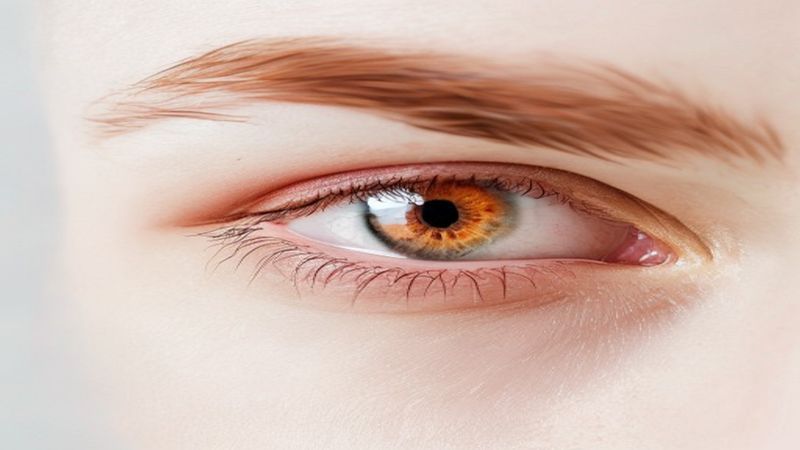
Your eyelids are red, swollen, and flaking — and you suspect your makeup is to blame. You are probably right. The eyelids are the most common site of cosmetic allergic contact dermatitis, accounting for approximately 15-25% of all facial dermatitis cases seen by dermatologists. The reason is simple anatomy: eyelid skin is the thinnest on the body (approximately 0.5 mm thick), which makes it exceptionally vulnerable to allergen penetration.
But here is what surprises most patients: the product causing your eyelid reaction may not be your eye makeup at all. Shampoo, facial cleanser, nail polish, and even hand cream can transfer allergens to the delicate eyelid skin through routine touching and rinsing. This guide covers all the causes — obvious and hidden — along with diagnosis strategies and evidence-based safe alternatives.
Symptoms of Eyelid Contact Dermatitis
Allergic contact dermatitis of the eyelids presents with a characteristic pattern that helps distinguish it from other eyelid conditions:
- Redness (erythema): Pink to deep red discoloration of the eyelid skin, often most prominent on the upper lids.
- Swelling (edema): Puffy, swollen eyelids that may look "pillowy" — particularly noticeable upon waking.
- Scaling and flaking: Fine, dry flakes on the eyelid surface. In chronic cases, the skin becomes thickened, wrinkled, and leathery (lichenification).
- Itching (pruritus): Often intense. The urge to rub the eyes worsens the condition by further damaging the skin barrier and increasing allergen absorption.
- Burning and stinging: A raw, sensitive feeling, especially when applying or removing products.
- Darkening (hyperpigmentation): Chronic eyelid dermatitis can cause darkening of the eyelid skin that persists even after the inflammation resolves.
The pattern of involvement is a diagnostic clue: upper lid involvement suggests eye shadow, primer, or airborne allergens; lower lid involvement points to mascara transfer, eye cream, or concealer; and bilateral (both eyes) involvement is typical of cosmetic allergens, while unilateral (one eye) involvement suggests a different cause or hand-transferred allergen from dominant-hand contact.
Direct Causes: Eye Makeup Allergens
These are the allergens applied directly to the eye area through eye-specific cosmetics:
Eye Shadow
Eye shadows — especially darker shades (blues, greens, purples) — may contain nickel as a contaminant in metallic pigments. Studies have found detectable nickel in up to 100% of tested eye shadow samples, though concentrations vary widely. Beyond nickel, eye shadows may contain fragrance, lanolin (wool alcohol), propylene glycol, and preservatives. Cream and liquid eye shadows are more likely to contain preservatives than pressed powders, because their water content supports microbial growth.
Mascara
Mascara formulations commonly include shellac (a natural resin that can cause sensitization), formaldehyde-releasing preservatives, rosin (colophonium), and nickel-containing pigments. Waterproof mascaras require stronger solvents for removal, which can strip the eyelid's already thin lipid barrier. The repeated micro-trauma of daily application and removal contributes to barrier dysfunction that amplifies allergic responses.
Eyeliner
Eyeliner allergens depend on the formula type. Pencil eyeliners may contain nickel in pigments and waxes that cause sensitization. Liquid eyeliners require preservatives and may contain phenoxyethanol, parabens, or isothiazolinones. Felt-tip eyeliners contain solvents that penetrate the thin eyelid skin rapidly. Black eyeliners may contain carbon black or iron oxide pigments contaminated with heavy metals.
Eye Primers and Concealers
These products are applied in thin layers over the full eyelid surface, maximizing contact area. They frequently contain silicones (generally well-tolerated), but also propylene glycol, fragrances, and preservatives. Some contain dimethicone crosspolymers that trap other ingredients against the skin for extended periods.
The Hidden Causes: Transferred Allergens
Some of the most common causes of eyelid dermatitis have nothing to do with eye makeup. Allergens transfer to the eyelids from other sources through hand contact, rinsing, and airborne exposure:
Nail Polish — The Most Missed Diagnosis
Nail polish is one of the most frequently overlooked causes of eyelid dermatitis, and it is a diagnosis that surprises both patients and non-specialist physicians. The key allergen is tosylamide/formaldehyde resin (TSFR), a film-forming ingredient in conventional nail polishes. Formaldehyde itself may also be present as a nail hardener. These allergens transfer from the nail plate and surrounding skin to the eyelids through habitual touching, rubbing, and eye contact throughout the day.
The critical point: the nails and hands typically show no reaction because nail and hand skin is much thicker and more resistant to allergen penetration. The patient has no reason to suspect nail polish because the symptoms appear only on the eyelids — far from the nails. Research published in Contact Dermatitis estimates that nail cosmetics account for 8-10% of all eyelid dermatitis cases. Gel nails and acrylics introduce additional allergens, particularly methacrylate compounds, which are increasingly recognized as occupational and consumer sensitizers.
Hair Care Products
Shampoo, conditioner, and hair styling products rinse over the eyelids during washing and transfer from hair touching the face. Fragrances, methylisothiazolinone, cocamidopropyl betaine, and DMDM hydantoin in hair products are all documented causes of eyelid dermatitis. A 2019 study in the Journal of the American Academy of Dermatology found hair care products responsible for approximately 22% of patch-tested eyelid dermatitis cases — making them more common than eye makeup as a cause.
Facial Skincare
Facial cleansers, moisturizers, serums, and sunscreens applied to the full face inevitably migrate to the eyelids. Even products applied "avoiding the eye area" spread through skin movement and gravity. Retinoids, alpha-hydroxy acids (glycolic acid), and strong active ingredients that are tolerated on the cheeks and forehead may cause irritant or allergic reactions on the thinner eyelid skin.
Hand Cream and Body Products
Any product on your hands can transfer to your eyelids. Hand creams, body lotions, and even occupational exposures (cleaning products, gloves) are documented causes. People who use heavily fragranced hand creams and habitually touch their face are at particular risk.
Cross-Reactions to Watch For
Allergic sensitization often extends beyond a single ingredient to chemically related compounds. Important cross-reaction patterns for eyelid dermatitis include:
- Nickel cross-reactors: Nickel-sensitized patients may also react to cobalt and chromium. Cobalt blue pigments in eye shadow can trigger reactions in nickel-allergic individuals.
- Formaldehyde family: Allergy to formaldehyde means reacting to all formaldehyde-releasing preservatives (DMDM hydantoin, imidazolidinyl urea, diazolidinyl urea, quaternium-15) plus tosylamide/formaldehyde resin in nail polish.
- Fragrance family: Sensitization to one fragrance compound often predicts reactivity to related compounds. Balsam of Peru is a marker for fragrance allergy, cross-reacting with cinnamates, vanillin, and some flavor compounds.
- Isothiazolinone family: Allergy to MCI almost always includes allergy to MI. Benzisothiazolinone and octylisothiazolinone may also cross-react.
Diagnosis: Patch Testing for Eyelid Dermatitis
When eyelid dermatitis is persistent, recurrent, or fails to respond to empiric product elimination, formal patch testing is the gold-standard diagnostic tool. The European baseline series and the North American Contact Dermatitis Group (NACDG) standard series both include the most common eye-area allergens: fragrances, preservatives, metals, and rubber accelerators.
Specific recommendations for eyelid dermatitis patch testing:
- Bring all your products. Every eye product, facial product, nail product, and hair product you use. Your dermatologist can test the products directly ("as is" testing) in addition to individual allergens.
- Request an extended series. The baseline series (25-35 allergens) may miss less common triggers. Extended cosmetic, fragrance, and preservative series test 80-100+ allergens.
- Include nail cosmetics. If you use nail polish, gel nails, or acrylics, ensure that tosylamide/formaldehyde resin and methacrylate series are included.
- Delayed reading is critical. Some eyelid allergens produce delayed-positive reactions that only appear at the 96-hour or 7-day reading. Ensure your dermatologist offers readings beyond the initial 48-hour check.
A positive patch test result, combined with clinical correlation (your symptoms match the exposure pattern), provides a definitive diagnosis and a clear avoidance strategy.
Safe Alternatives for the Eye Area
Once you know your specific allergen(s), selecting safe products is straightforward. For general guidance — or while you are still investigating — these approaches minimize risk:
- Simplify radically. During an active flare, stop all eye-area products entirely. Use only plain petroleum jelly (Vaseline) as a moisturizer — it contains zero allergens.
- Choose mineral powder formulas. Loose mineral eye shadows with minimal ingredients (iron oxides, mica, titanium dioxide) avoid preservatives, fragrances, and most other common allergens. Avoid formulas containing bismuth oxychloride, which causes itching.
- Avoid waterproof formulas. Waterproof mascaras and eyeliners require aggressive removal that damages the eyelid barrier. Use non-waterproof formulas and remove gently with a fragrance-free micellar water or plain mineral oil.
- Consider nickel-tested brands. If nickel is your allergen, some cosmetic brands specifically test finished products for heavy metal contamination and certify nickel levels below sensitization thresholds.
- Switch to hypoallergenic nail polish. If nail polish is your trigger, look for tosylamide/formaldehyde resin-free and formaldehyde-free formulas (often marketed as "10-free" or "12-free" polishes). Water-based nail polishes eliminate most nail polish allergens entirely.
- Apply eye cream with clean hands. After applying any product to your hands (hand cream, sanitizer, cleaning products), wash your hands before touching your eye area.
When to See a Doctor
Seek medical evaluation if:
- Eyelid symptoms persist for more than 2 weeks despite stopping all products
- Swelling is severe enough to impair vision
- You see changes in your vision, eye pain, or discharge from the eye itself (which may indicate a condition beyond contact dermatitis)
- Symptoms are unilateral (one eye only) — this may indicate an infectious or structural cause
- Over-the-counter remedies have not helped after 4 weeks
A dermatologist can perform patch testing, prescribe appropriate topical treatments (low-potency corticosteroids or calcineurin inhibitors safe for the eyelid area), and rule out non-allergic conditions like blepharitis, atopic dermatitis, or rosacea-related eyelid involvement.
Protect Your Eyes with SkinDetekt
Eyelid dermatitis is frustrating precisely because the cause is so often hidden — in your nail polish, your shampoo, or an ingredient you would never suspect. SkinDetekt takes the guesswork out of the equation. Use our ingredient checker to screen any eye product, nail product, or hair product for known allergens including nickel-associated pigments, formaldehyde releasers, isothiazolinones, and fragrance compounds. If you have been patch tested and know your personal allergens, the app flags them automatically across every product you scan. Your eyelids are too delicate to leave to chance — check before you buy.
Frequently Asked Questions
Why are eyelids so prone to allergic reactions?
Eyelid skin is the thinnest skin on the body — approximately 0.5 mm compared to 2 mm on most of the face. This extreme thinness means allergens penetrate more easily, and the skin barrier is inherently weaker. Additionally, the eyelid area has high vascular supply and frequent contact with hands, making it more susceptible to both direct allergen application and transfer from other body parts. Studies show that eyelid skin absorbs topically applied substances at 5-10 times the rate of thicker skin on the forearms.
Can nail polish really cause eyelid dermatitis?
Yes, this is one of the most frequently missed diagnoses in dermatology. Nail polish allergens — particularly tosylamide/formaldehyde resin (now often called tosylamide/epoxy resin) and formaldehyde itself — transfer from fingertips to eyelids through normal touching, rubbing, and eye area contact throughout the day. The nails and surrounding skin show no reaction because they are much thicker and more resistant. A study published in Contact Dermatitis found that nail cosmetics were responsible for approximately 8-10% of eyelid dermatitis cases in patch-tested patients. The reaction can persist for weeks after removing the nail polish because the allergen remains embedded in the nail plate.
How do I know if my eyelid rash is an allergy or something else?
Allergic contact dermatitis of the eyelids typically presents as bilateral (both eyes) redness, swelling, itching, and flaking that develops over 24-72 hours after exposure and worsens with continued use of the trigger product. It is often worse on the upper eyelids (from eye shadow or primer) or the lash line (from mascara or eyeliner). Key differences from other conditions: atopic eczema tends to be chronic and involves other body areas; blepharitis affects the eyelash margin specifically; and periorbital dermatitis causes papules and pustules. If symptoms resolve when you stop all eye products and return when you restart one, an allergy is highly likely. A dermatologist can confirm with patch testing.
Is mineral makeup safer for sensitive eyelids?
Mineral makeup is generally a lower-risk option because it typically contains fewer ingredients overall, avoids liquid formulations that require preservatives, and uses mineral pigments (iron oxides, titanium dioxide, mica) that have low allergenicity. However, mineral makeup is not guaranteed safe. Mica can contain trace nickel contamination. Some mineral brands add bismuth oxychloride, which causes itching in many people. Fragrances and preservatives can still be added. Loose mineral powder formulas with 5 or fewer ingredients and no bismuth oxychloride are generally the safest option for people with eyelid sensitivities.
How long does eyelid dermatitis take to heal after removing the trigger?
Most cases of allergic eyelid dermatitis begin improving within 3-5 days of complete allergen avoidance and fully resolve within 2-4 weeks. The thin eyelid skin heals relatively quickly once the trigger is removed. During healing, keep the routine minimal: gentle cleanser (applied with fingertips, not cotton pads that may contain irritants), fragrance-free moisturizer or plain petroleum jelly, and no eye makeup. If prescribed by a dermatologist, a low-potency topical corticosteroid (like hydrocortisone 1%) or a calcineurin inhibitor (tacrolimus or pimecrolimus) can speed healing. Do not use over-the-counter hydrocortisone around the eyes without medical guidance, as prolonged eyelid steroid use carries risks including skin thinning and elevated intraocular pressure.
Find your personal cosmetic triggers
SkinDetekt tracks your products and reactions, then uses AI to identify which ingredients cause YOUR skin reactions.
Download on App StoreRelated Articles
Histamine Intolerance and Skin Reactions: Can Your Skincare Make It Worse?
12 min read
Latex Allergy and Cosmetics: Hidden Sources and Safe Alternatives
10 min read
Nickel Allergy in Makeup and Jewelry: Symptoms, Hidden Sources & Safe Products
11 min read
How to Repair a Damaged Skin Barrier: Signs, Causes & Recovery
12 min read