Hair Dye Allergy: Symptoms, PPD Testing & Safe Alternatives
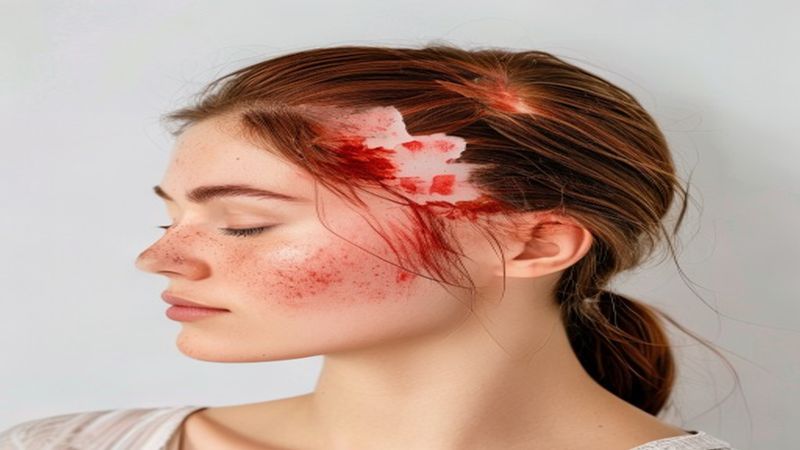
Hair dye allergy is one of the most dramatic and potentially dangerous cosmetic allergic reactions. Unlike the subtle redness from a moisturizer or the mild itch from a fragrance, hair dye reactions can cause severe facial swelling, blistering, and in rare cases, anaphylaxis. The primary culprit is para-phenylenediamine (PPD), one of the most potent contact allergens in consumer products.
This guide covers everything you need to know about hair dye allergy: the science behind PPD sensitization, how to recognize symptoms, the critical importance of patch testing, cross-reactions you need to know about, and genuinely effective PPD-free alternatives.
What Makes Hair Dye Allergenic?
Permanent hair dyes work through an oxidation reaction. Small dye molecules (intermediates like PPD) penetrate the hair shaft and then react with a developer (hydrogen peroxide) and a coupler to form larger, colored molecules that are trapped inside the hair. This chemistry is what makes permanent dye truly permanent — the color molecules are too large to wash out.
The problem is that PPD and related intermediates are potent sensitizers. During the dyeing process, PPD partially oxidizes on the scalp, creating reactive intermediates that can bind to skin proteins and trigger an immune response. Once your immune system is sensitized to PPD, even tiny amounts can cause a reaction.
Key allergens in hair dye:
- PPD (para-phenylenediamine): The primary allergen. Used in virtually all permanent dark hair dyes. EU maximum concentration: 2% in the final product.
- PTD (para-toluenediamine / toluene-2,5-diamine): A PPD alternative used in some "PPD-free" dyes. Less potent than PPD but still allergenic, and cross-reacts with PPD in approximately 50% of PPD-allergic individuals.
- Resorcinol: A coupler chemical used with PPD. Can cause independent sensitization.
- Ammonium persulfate: Found in hair bleach/lighteners. Causes both irritant and allergic reactions, and can trigger immediate urticaria (hives) or even respiratory symptoms in hairdressers.
Symptoms of Hair Dye Allergy
Symptoms typically appear 24-72 hours after hair dye application (this delayed onset is characteristic of allergic contact dermatitis, as opposed to irritant reactions which occur within hours).
Mild to Moderate Symptoms
- Itching, burning, or stinging on the scalp, hairline, ears, and neck
- Red, swollen skin along the hairline and forehead
- Small blisters or weeping patches on the scalp and face
- Eczema-like rash that spreads beyond the area of dye contact
- Swollen eyelids (common because PPD can drip during application)
Severe Symptoms — Seek Immediate Medical Attention
- Severe facial swelling (angioedema), especially around the eyes and lips
- Swelling that extends to the throat, causing difficulty swallowing or breathing
- Widespread blistering or oozing on the scalp and face
- Hives (urticaria) on the body — this is an immediate-type reaction more associated with persulfates in bleach
- Dizziness, rapid heartbeat, or difficulty breathing — signs of anaphylaxis, a medical emergency
The severity of reactions can escalate with each subsequent exposure. A first reaction might be mild itching, but a second or third exposure can cause severe swelling. This is why once you have had any reaction to hair dye, you should never use the same product again without professional patch testing.
Cross-Reactions: What Else to Avoid
PPD allergy has one of the widest cross-reaction profiles in contact dermatology. If you are allergic to PPD, you may also react to:
- Other hair dye chemicals: PTD (toluene-2,5-diamine), 2-methoxy-methyl-PPD — approximately 50% cross-reactivity
- Black henna: Temporary tattoos made with "black henna" often contain PPD at very high concentrations (up to 15%). This is the most common source of unexpected PPD sensitization in children and young adults
- Textile dyes: Some azo dyes used in dark-colored clothing can cross-react with PPD, causing "textile dermatitis"
- Rubber chemicals: IPPD (N-isopropyl-N-phenyl-paraphenylenediamine) used as a rubber antioxidant in shoes, gloves, and tires
- Sunscreens: PABA (para-aminobenzoic acid) based sunscreens, though these are now rare
- Local anesthetics: Benzocaine, procaine — the "ester" type anesthetics. This is clinically important — always inform your dentist or doctor about PPD allergy
- Sulfonamide antibiotics: Some PPD-allergic individuals report reactions, though this cross-reaction is debated
Patch Testing: The Gold Standard
Every hair dye product — even ones you have used before — should be patch tested 48 hours before full application. This is recommended by every major dermatology association and is printed on virtually every hair dye box (though few consumers actually do it).
How to Patch Test Hair Dye at Home
- Mix a small amount of the dye exactly as directed (dye + developer)
- Apply a thin layer behind your ear or on the inner elbow (coin-sized area)
- Leave it uncovered and do not wash the area for 48 hours
- Check at 24 hours and again at 48 hours for any redness, swelling, itching, or blistering
- If ANY reaction occurs, do not use the product. Wash the test area with mild soap and water
Professional Patch Testing
If you have had a previous reaction to hair dye, see a dermatologist for professional patch testing using the standard series plus a hairdressing series. This will identify exactly which chemicals you are allergic to and which alternatives are safe for you. Professional testing is more comprehensive than home testing and uses standardized concentrations.
PPD-Free Alternatives That Actually Work
If you are PPD-allergic, you still have options for coloring your hair:
Semi-Permanent and Demi-Permanent Dyes
These coat the outside of the hair shaft rather than penetrating and oxidizing inside it. They do not contain PPD but are limited in what they can achieve — they cannot lighten hair, and color washes out over 6-28 shampoos. Good for covering early grays or adding tone.
Pure Henna (Lawsonia inermis)
Natural henna produces red-copper tones and is generally safe for PPD-allergic individuals (no cross-reaction). However, it only comes in warm red shades. Indigo (Indigofera tinctoria) can be combined with henna to achieve brown and black shades, but some indigo preparations have caused contact allergy. Avoid "black henna" at all costs — it typically contains PPD.
ME+ (2-methoxymethyl-PPD) Dyes
Some brands offer permanent dyes using 2-methoxymethyl-PPD (ME+) as an alternative to PPD. ME+ is less allergenic than PPD in sensitization studies. However, it still cross-reacts with PPD in some individuals (approximately 20-30%), so it is not safe for everyone with PPD allergy. Professional patch testing is essential before trying ME+ dyes.
Highlighting and Balayage
Hair lightening (bleaching) uses hydrogen peroxide and persulfates, not PPD. If you are specifically PPD-allergic but not persulfate-allergic, techniques like highlights, balayage, or full bleaching followed by a PPD-free toner may be an option. Discuss this with your hairdresser and dermatologist.
For Hairdressers: Occupational Protection
Hairdressers are at the highest risk for hair dye allergy due to daily exposure. Protective measures include:
- Nitrile gloves (not latex): PPD can penetrate latex and vinyl gloves within minutes. Only nitrile provides adequate protection. Change gloves frequently during color application.
- Avoid skin contact: Use barrier cream on hands even under gloves. Apply petroleum jelly to clients' hairlines to protect facial skin.
- Ventilation: Ensure adequate salon ventilation, especially during bleach mixing (persulfate dust is a respiratory sensitizer).
- Early patch testing: If you develop hand eczema or scalp reactions, get professional patch testing immediately. Early identification can prevent progression to career-ending sensitization.
Hair dye allergy is preventable with consistent patch testing and manageable with the right alternatives. SkinDetekt can help you track your reactions and identify exactly which hair dye ingredients trigger your symptoms. Use our ingredient checker to scan any hair dye product before purchase, and build your personal allergen profile to make safer choices every time.
Frequently Asked Questions
How common is hair dye allergy?
Approximately 1-2% of the general population is sensitized to PPD (para-phenylenediamine), the primary allergen in permanent hair dye. However, among people who regularly dye their hair, sensitization rates are higher — up to 5-6% in some studies. Hairdressers have even higher rates due to occupational exposure, with studies showing 10-15% sensitization.
Can you suddenly become allergic to hair dye after years of use?
Yes. Allergic contact dermatitis from hair dye can develop at any time, even after decades of use without issues. This is because sensitization is a cumulative immune process — each exposure builds immune memory until the threshold for a visible reaction is crossed. This is why dermatologists recommend patch testing before EVERY hair dye application, not just the first one.
What should I do if I have a reaction to hair dye?
Immediately wash the dye off with lukewarm water and a gentle cleanser. Apply a cool compress to reduce inflammation. Over-the-counter hydrocortisone cream can help mild reactions. Seek emergency medical attention if you experience facial or throat swelling, difficulty breathing, or widespread blistering — these are signs of a severe allergic reaction. See a dermatologist for patch testing to confirm which specific ingredient caused the reaction.
Are natural or plant-based hair dyes safer for allergies?
Pure henna (Lawsonia inermis) is generally safe for most people, though rare henna allergies do exist. However, "natural" hair dyes may still contain PPD or related chemicals. "Black henna" is particularly dangerous as it often contains high concentrations of PPD. Always check the full ingredient list regardless of marketing claims. Semi-permanent dyes that don't contain PPD, PTD, or related amines are the safest chemical option.
Can black henna tattoos cause hair dye allergy?
Yes, this is a well-documented phenomenon. Black henna temporary tattoos often contain high concentrations of PPD (up to 15%, compared to 2% maximum in hair dye). Exposure through a black henna tattoo can sensitize you to PPD, meaning you may have a severe allergic reaction the next time you use permanent hair dye — even years later. This is why dermatologists strongly advise against black henna tattoos.
Find your personal cosmetic triggers
SkinDetekt tracks your products and reactions, then uses AI to identify which ingredients cause YOUR skin reactions.
Download on App Store