Anti-Aging Skincare for Sensitive Skin: What Works Without Irritating
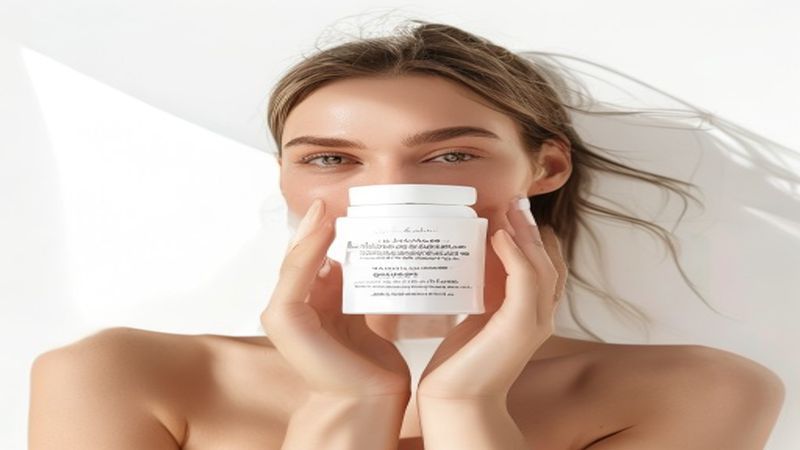
The best anti-aging ingredients for sensitive skin are those that deliver results without disrupting the skin barrier: niacinamide, azelaic acid, vitamin C (at stable, lower concentrations), peptides, and bakuchiol (a plant-based retinol alternative). Retinoids are effective but require careful introduction. The key principle for sensitive skin anti-aging is that chronic barrier disruption causes inflammation, and chronic low-grade inflammation — sometimes called "inflammaging" — accelerates visible aging rather than reversing it. A gentle, consistent approach will always outperform an aggressive one over the long term.
Why Anti-Aging Is Harder for Sensitive Skin
Sensitive skin typically has a thinner, more permeable stratum corneum (outer skin barrier) and a heightened neurogenic response — meaning it is quicker to perceive and react to chemical stimuli. The most potent anti-aging ingredients (high-strength retinoids, glycolic acid, vitamin C at 20%+) rely on creating a controlled degree of cellular disruption to stimulate renewal. In non-sensitive skin, this disruption is temporary and manageable. In sensitive skin, the same ingredients can trigger a prolonged inflammatory cascade that outweighs the anti-aging benefit.
The solution is not to abandon anti-aging skincare — it is to choose ingredients that work through mechanisms that do not require barrier disruption, or to use barrier-disrupting ingredients at lower concentrations and frequencies that stay within the skin's recovery capacity.
The Safest Anti-Aging Ingredients for Sensitive Skin
Niacinamide
Niacinamide (vitamin B3) is arguably the most important anti-aging ingredient for sensitive skin because it works on multiple levels simultaneously: it strengthens the skin barrier by increasing ceramide synthesis, reduces transepidermal water loss, fades hyperpigmentation, minimizes pore appearance, and improves skin elasticity. At 4–5% it also has documented anti-inflammatory effects. The vast majority of skin types tolerate niacinamide well. Rare flushing reactions reported in older literature were linked to contaminated niacin preparations and are not seen with modern cosmetic-grade niacinamide.
For a detailed look at who might react to this ingredient, see the niacinamide skin reaction guide.
Peptides
Peptides are short chains of amino acids that signal the skin to produce more collagen, elastin, and hyaluronic acid, or that inhibit muscle micro-contractions (expression lines). Because they work at a receptor-signaling level rather than causing exfoliation or cell turnover stress, they are exceptionally well-tolerated. Signal peptides (palmitoyl tripeptide-1, palmitoyl tetrapeptide-7), carrier peptides (copper peptides), and neurotransmitter-inhibiting peptides (acetyl hexapeptide-3) are all viable choices for sensitive skin. Peptides are best layered in serums after water-based hydrating steps.
Hyaluronic Acid
While not a direct anti-aging active in the same sense as retinol, hyaluronic acid is foundational to any sensitive skin anti-aging routine. It maintains deep hydration, plumps fine lines, and supports barrier function. Look for formulas containing hyaluronic acid at multiple molecular weights — high molecular weight provides surface moisture, while low molecular weight penetrates to deeper skin layers. Applied to slightly damp skin and sealed with a moisturizer, it is one of the most reliable ways to improve the immediate and long-term appearance of aging skin.
Bakuchiol
Bakuchiol is a meroterpene compound derived from the seeds of Psoralea corylifolia. Multiple clinical trials have shown it activates retinol-response genes in skin, improving collagen production, reducing fine lines, and addressing hyperpigmentation — with a tolerability profile significantly superior to retinol. It does not cause the initial retinization period (dryness, peeling, redness) associated with retinoids, making it suitable for daily use even by reactive skin types. Concentrations of 0.5–1% are typical in cosmetic formulations.
Vitamin C (Stable, Lower Concentration Forms)
L-ascorbic acid at 10–20% is highly effective but destabilizes quickly, requires a low pH that can sting sensitive skin, and oxidizes to pro-oxidant dehydroascorbic acid if the product is not fresh. For sensitive skin, stable vitamin C derivatives — ascorbyl glucoside, magnesium ascorbyl phosphate, and 3-O-ethyl ascorbic acid — offer antioxidant protection, collagen support, and brightening at a more skin-compatible pH. They are less potent than L-ascorbic acid but far less irritating and more stable in formula.
Azelaic Acid
Azelaic acid (10–15% over the counter, 20% prescription) addresses hyperpigmentation, post-inflammatory erythema, and uneven skin tone — concerns that become more prominent with aging — while simultaneously having anti-inflammatory and mild retinoid-like properties. It is approved for rosacea and is one of the few actives that is safe during pregnancy. Some people experience mild tingling on initial application, but true sensitization is uncommon.
How to Introduce Retinol Into a Sensitive Skin Routine
Retinol remains the most extensively studied topical anti-aging ingredient and its long-term efficacy is unmatched. For sensitive skin, the challenge is the retinization period — the first 4–8 weeks during which skin may experience dryness, flaking, and redness as it adjusts to accelerated cell turnover.
Strategies to minimize retinol irritation:
- Start low, go slow: Begin with 0.025–0.05% retinol, once weekly. After 2–3 weeks with no reaction, move to twice weekly. Gradually increase to every other night over 2–3 months before considering higher concentrations.
- Sandwich method: Apply a layer of plain moisturizer before retinol (not after). This buffers the rate of absorption and significantly reduces irritation without eliminating efficacy.
- Encapsulated retinol: Microencapsulated retinol releases the active more slowly and evenly, reducing peak concentration spikes that cause irritation.
- Avoid combining with exfoliants: On nights you use retinol, avoid AHAs, BHAs, and vitamin C. Use only a gentle cleanser, moisturizer, and the retinol.
- Always use SPF the next morning: Retinol increases photosensitivity. Sun exposure without protection will worsen the very skin concerns you are trying to address.
If you are unsure whether your retinol reaction is normal retinization or a true allergy, the retinol irritation vs allergy guide explains how to tell the difference.
Ingredients That Age Sensitive Skin Faster
Some commonly used skincare ingredients actively work against anti-aging goals in sensitive skin by chronically disrupting the barrier:
- High-concentration denatured alcohol: Listed as "alcohol denat." or "SD alcohol" high in the ingredient list, it strips lipids from the stratum corneum, increases transepidermal water loss, and triggers reactive sebum overproduction. Long-term use thins and dehydrates the skin.
- Fragrance (synthetic and natural): A leading cause of cosmetic contact dermatitis, fragrance also upregulates pro-inflammatory cytokines in sensitized skin. Chronic low-grade inflammation from fragrance exposure contributes directly to collagen degradation.
- Harsh physical exfoliants: Walnut shell powder, sugar scrubs, and coarse microbeads create micro-tears in the skin surface and chronically disrupt the barrier when used frequently.
- Over-exfoliation with acids: AHAs and BHAs used too frequently in sensitive skin prevent the barrier from fully recovering between uses, creating a cycle of chronic barrier impairment and inflammation.
- Extreme heat and steam treatments: Hot water, saunas, and steam facials dilate blood vessels and can worsen rosacea and barrier permeability over time.
A Gentle But Effective Anti-Aging Routine for Sensitive Skin
A workable morning routine: gentle non-foaming cleanser → hydrating toner or essence → niacinamide serum (5%) → peptide moisturizer with hyaluronic acid → mineral SPF 30–50.
A workable evening routine: gentle cleanser → hydrating essence → bakuchiol serum (or retinol 1–2x/week using sandwich method) → rich ceramide moisturizer.
This routine addresses the core anti-aging goals — collagen support, hydration, barrier reinforcement, hyperpigmentation — without using any high-risk irritants. Results from niacinamide and peptides begin to show at 4–8 weeks; bakuchiol effects are typically visible at 8–12 weeks.
To check whether any product in your current routine contains ingredients known to irritate sensitive skin, use the SkinDetekt ingredient checker for a full analysis.
Frequently Asked Questions
What are the safest anti-aging ingredients for sensitive skin?
Niacinamide, peptides, hyaluronic acid, bakuchiol, and low-concentration vitamin C (such as ascorbyl glucoside or magnesium ascorbyl phosphate) are among the best-tolerated anti-aging ingredients for sensitive skin. They deliver measurable results without the barrier disruption associated with retinoids or high-strength acids.
Can sensitive skin use retinol?
Yes, but with careful introduction. Start with the lowest available concentration (0.025–0.05%) no more than once or twice a week, applied over a moisturizer as a buffer. Gradually increase frequency over 8–12 weeks as tolerance builds. Encapsulated retinol formulations and retinaldehyde tend to cause less initial irritation than retinoic acid.
Is bakuchiol as effective as retinol?
Bakuchiol activates some of the same retinol receptor pathways and has demonstrated comparable improvements in fine lines, hyperpigmentation, and skin firmness in clinical studies, with significantly less irritation. It is a strong option for those who cannot tolerate retinol, though the evidence base is still smaller than that for retinoids.
Does niacinamide really have anti-aging benefits?
Yes. At concentrations of 4–5%, niacinamide has been shown to visibly reduce fine lines, improve skin tone, strengthen the barrier, and decrease sallowness. It is one of the most versatile and best-tolerated active ingredients in skincare, making it ideal for sensitive skin anti-aging routines.
Which ingredients actually age sensitive skin faster?
Repeated use of high-concentration alcohol (alcohol denat.), fragrance, harsh physical scrubs, and over-exfoliation with strong acids can chronically disrupt the skin barrier. A compromised barrier accelerates transepidermal water loss, triggers low-grade inflammation (inflammaging), and ultimately worsens the signs of aging over time.
Find your personal cosmetic triggers
SkinDetekt tracks your products and reactions, then uses AI to identify which ingredients cause YOUR skin reactions.
Download on App Store