Lip Balm Allergy: Why Your Lips Keep Peeling and What Actually Helps
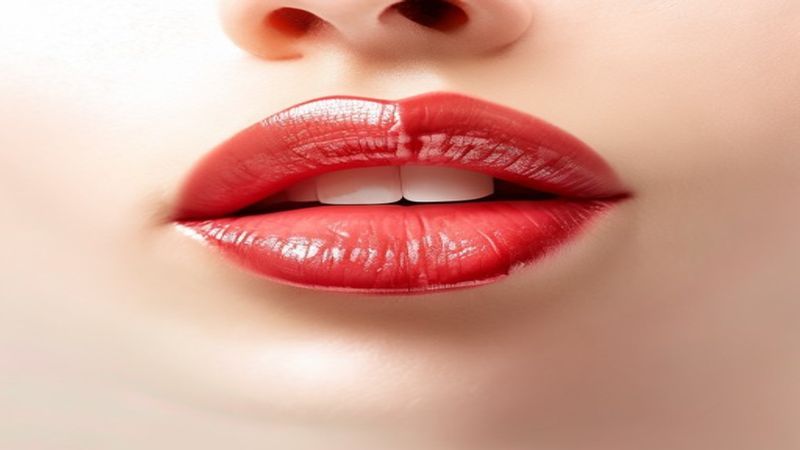
You apply lip balm religiously, yet your lips are perpetually dry, cracked, and peeling. You reach for more balm. They get worse. Sound familiar? You may be caught in a frustrating cycle where the very product you're using to heal your lips is actually the thing damaging them. Allergic reactions and irritant responses to lip balm ingredients are far more common than most people realize — and the thin, delicate skin of the lips makes them uniquely vulnerable.
This guide covers why the lips react so easily, which ingredients are the most common culprits, how to break the "lip balm addiction" cycle, and what actually works to restore healthy lips. If you're interested in the broader science of how skin reacts to cosmetic ingredients, our contact dermatitis guide provides a comprehensive overview.
Why Lips Are Uniquely Vulnerable to Allergic Reactions
The lips are one of the most sensitive areas of the body for several reasons. Understanding this anatomy helps explain why a product you tolerate everywhere else on your face can wreck your lips.
- Extremely thin skin: Lip skin (the vermilion border) has only 3-5 cell layers compared to roughly 16 on the rest of the face. This means allergens and irritants penetrate far more easily.
- No sebaceous (oil) glands: Unlike the rest of facial skin, the lips have no oil glands. They cannot produce their own protective sebum layer, making them inherently prone to dryness and more dependent on external moisture barriers.
- No melanin protection: Lip skin has minimal melanocytes, which is why lips appear red (the blood vessels show through). This also means essentially no UV protection, making the lips vulnerable to sun-induced dryness and damage.
- Constant saliva exposure: Licking the lips is a reflexive response to dryness, but saliva contains digestive enzymes that break down the already-thin lip barrier. This creates a cycle of damage.
- High product exposure: The average person inadvertently ingests a significant amount of lip product over their lifetime. This constant reapplication means high and repeated allergen exposure.
Because of these factors, the threshold for triggering an allergic or irritant reaction on the lips is much lower than on other body sites. An ingredient that causes no problems in a facial moisturizer may cause significant cheilitis (lip inflammation) when applied directly to the lips.
Top Allergens Hiding in Lip Products
Research from contact dermatitis clinics has identified several categories of ingredients that are responsible for the majority of lip product allergies. Use SkinDetekt's ingredient checker to scan your lip products for these culprits.
Lanolin (Wool Alcohol)
Lanolin is one of the most common allergens in lip balms, appearing in patch testing studies as a frequent cause of allergic contact cheilitis. It is prized for its emollient properties, but the lanolin alcohol fraction can sensitize susceptible individuals. It appears under many INCI names including Lanolin, Lanolin Alcohol, Lanolin Oil, Laneth-5, and Acetylated Lanolin. People with existing eczema are at higher risk of lanolin allergy.
Propolis and Beeswax
Propolis (bee glue) is a potent sensitizer used in many "natural" lip balms. It contains complex mixtures of resins, waxes, essential oils, and pollen. Beeswax (Cera Alba) itself is less commonly allergenic than propolis, but products marketed as "beeswax lip balm" may also contain propolis. Cross-reactions between propolis and balsam of Peru are well-documented.
Fragrance and Flavoring
Fragrance and flavor additives are major culprits in lip products. Cinnamon flavoring (cinnamal, cinnamyl alcohol) is especially common in lip products and is a potent sensitizer. Peppermint, spearmint, vanilla, and citrus flavors can also cause allergic reactions. For a deeper dive, see our fragrance-free skincare guide.
Menthol, Camphor, and Phenol
These "medicated" ingredients are added to create a cooling or tingling sensation. While they make the lip balm feel like it's working, they are irritants that damage the lip barrier. Menthol and camphor can trigger both irritant and true allergic reactions. Phenol (sometimes listed as "carbolic acid") is a chemical exfoliant that strips the top layer of lip skin, creating temporary smoothness followed by increased dryness.
Chemical Sunscreens
SPF lip balms frequently contain chemical UV filters such as oxybenzone (benzophenone-3), octinoxate, or avobenzone. These are documented contact allergens. Oxybenzone in particular has relatively high sensitization rates. If you need lip SPF, mineral (zinc oxide or titanium dioxide) options are less likely to cause allergic reactions.
Dyes: Red 21 and Red 27
Tinted lip balms and lipsticks often contain eosin-based dyes, particularly D&C Red 21 (CI 45380) and D&C Red 27 (CI 45410). These fluorescein-derived dyes are among the most common causes of allergic cheilitis from colored lip products. They react with skin proteins and are activated by light exposure, making the allergy a type of photocontact dermatitis in some cases.
The "Lip Balm Addiction" Cycle Explained
The so-called lip balm addiction isn't a true addiction, but it is a very real irritant cycle. Here's how it works:
- Application: You apply a lip balm containing an irritant (menthol, camphor, phenol, fragrance) or an allergen (lanolin, propolis, dye).
- Short-term relief: The occlusive base temporarily traps moisture, and the cooling/tingling agents create a sensation of soothing.
- Irritation begins: Within hours, the irritant or allergen triggers low-grade inflammation. The lip barrier is damaged. Lips feel dry and tight again.
- Reapplication: You apply more balm because your lips feel dry — reintroducing the offending ingredient.
- Escalation: Each cycle causes more damage. You may switch to "more intense" or "medicated" balms, which often contain even higher concentrations of the same irritants.
Breaking this cycle is straightforward once you understand it: stop using the offending product. Switch to plain petrolatum or a simple, fragrance-free, dye-free lip barrier. Expect your lips to feel worse for 3-5 days as they go through withdrawal from the cycle, then steady improvement over 1-2 weeks. To learn more about distinguishing between allergies and simple irritation, read our guide on allergy vs. irritation.
Angular Cheilitis vs. Lip Balm Allergy: How to Tell the Difference
Many people confuse angular cheilitis with lip balm allergy because both involve the lip area. However, the causes and treatments are quite different.
Angular cheilitis presents as cracking, redness, crusting, and sometimes bleeding specifically at the corners of the mouth. It is typically caused by Candida (yeast) or bacterial infection that thrives in the moist folds at the angles of the lips. Risk factors include drooling during sleep, ill-fitting dentures, nutritional deficiencies (iron, B vitamins), and habitual lip licking. Treatment requires antifungal cream (like miconazole) or antibacterial ointment, depending on the organism.
Allergic contact cheilitis affects the entire lip area — the vermilion (the red part of the lip), the skin border around the lips, and sometimes the surrounding facial skin. It presents as dryness, scaling, cracking, swelling, and sometimes small blisters. The rash pattern corresponds to where the product was applied. It is caused by an immune reaction to a specific ingredient and resolves only when that ingredient is avoided.
If you have cracking only at the corners of your mouth that doesn't respond to allergen avoidance, see your doctor to rule out angular cheilitis. If your entire lip area is inflamed and peeling, a lip product allergy is more likely.
Patch Testing for Lip Product Allergens
If you suspect a lip balm allergy but aren't sure which ingredient is the culprit, patch testing is the gold standard. A dermatologist can test you against a standard series of cosmetic allergens plus the specific products you use.
The lip series: Many dermatology clinics offer a specialized "lip series" patch test that includes the most common lip allergens — propolis, balsam of Peru, fragrance mix, lanolin alcohol, gallate mix, eosin dyes (Red 21, Red 27), sunscreen chemicals, and various flavoring agents (cinnamic aldehyde, menthol, peppermint oil).
Testing your own products: You can bring your current lip products to the patch test appointment. The dermatologist will apply them as-is or diluted in petrolatum on your back for 48 hours, then read the results at 48 and 96 hours. This is the most reliable way to identify exactly which product is causing your reaction.
Home screening method: While not as reliable as formal testing, you can try the Repeated Open Application Test (ROAT). Apply a small amount of the suspect product to the inside of your forearm twice daily for 7-10 days. If you develop redness or itching at the application site, you're likely reacting to something in that product. You can then use our ingredient checker to analyze the ingredient list and identify probable allergens.
Safe Alternatives: What to Use Instead
Once you've identified and eliminated the offending ingredients, here are the safest options for lip care:
- Plain white petrolatum (petroleum jelly): The dermatologist's top recommendation. It contains zero allergens, forms an excellent occlusive barrier, and allows the lips to heal naturally. Apply a thick layer before bed and a thin layer during the day.
- Ceramide-based lip balms: Products containing ceramides help repair the lip barrier from within. Look for options that are fragrance-free, dye-free, and lanolin-free.
- Mineral-only SPF lip balms: If you need sun protection, choose balms that use only zinc oxide or titanium dioxide as the UV filter, with no chemical sunscreens, fragrance, or dyes.
- Glycerin-based lip products: Glycerin is a humectant that draws moisture to the lips. It is well-tolerated and very rarely causes reactions.
Ingredients to look for on labels: Petrolatum, ceramides, glycerin, squalane, shea butter (if not allergic to tree nuts), dimethicone. Ingredients to avoid: Parfum/fragrance, menthol, camphor, phenol, lanolin (if sensitized), propolis, eosin dyes, oxybenzone, cinnamic aldehyde.
For help building a safe routine that avoids your triggers, our elimination skincare guide walks you through the process step by step.
When to See a Dermatologist
While mild lip balm irritation can be managed by switching products, you should see a dermatologist if:
- Your lip symptoms persist for more than 2-3 weeks despite switching to plain petrolatum
- You develop cracking, oozing, or crusting that suggests infection
- The reaction spreads beyond the lips to the surrounding facial skin
- You experience recurrent lip swelling (which could indicate angioedema)
- You cannot identify which product or ingredient is causing the problem
- Your symptoms significantly affect your quality of life (pain while eating, speaking, or smiling)
A dermatologist can perform formal patch testing, rule out other conditions (eczema, psoriasis, oral lichen planus, actinic cheilitis), and prescribe treatment such as topical calcineurin inhibitors (tacrolimus or pimecrolimus), which are preferred over steroids for the lip area due to the risk of skin thinning.
Not sure whether your lip product contains known allergens? SkinDetekt can help. Use our ingredient checker to scan any lip balm or lipstick ingredient list instantly and identify potential triggers. If you're dealing with recurring reactions, our app's AI tracking can help you pinpoint the exact ingredients your lips are reacting to — so you can finally break the cycle for good.
Frequently Asked Questions
Can you be allergic to lip balm?
Yes, allergic contact dermatitis of the lips (allergic contact cheilitis) is more common than most people realize. The lips are especially vulnerable because the skin is thinner, lacks sebaceous glands, and is frequently exposed to saliva and environmental irritants. Common allergens in lip products include lanolin, propolis, fragrance, menthol, camphor, chemical sunscreens, and dyes like Red 21 and Red 27. A dermatologist can confirm a lip balm allergy through patch testing.
Why do my lips feel more dry after using lip balm?
This is the "lip balm addiction cycle." Some lip balms contain irritants like menthol, camphor, phenol, or fragrance that create a tingling sensation but actually damage the delicate lip skin. The initial soothing feeling wears off, your lips become drier from the irritant exposure, and you apply more — perpetuating the cycle. Switching to a simple, fragrance-free, allergen-free balm like plain petrolatum usually breaks the cycle within 1-2 weeks.
What is the safest lip balm for allergic skin?
Plain white petrolatum (petroleum jelly) is considered the gold standard by dermatologists for allergic or sensitive lips. It contains no potential allergens, provides an excellent moisture barrier, and is well-tolerated by virtually everyone. Ceramide-based lip balms from brands that are fragrance-free and dye-free are another good option. Always check the full ingredient list — even products labeled "for sensitive skin" may contain allergens.
What is the difference between angular cheilitis and a lip balm allergy?
Angular cheilitis causes cracking, redness, and sometimes crusting specifically at the corners of the mouth. It is usually caused by a fungal (Candida) or bacterial infection, often triggered by saliva pooling in the lip folds. Lip balm allergy (allergic contact cheilitis) typically affects the entire lip area — both the lip itself and the surrounding skin where the product was applied. Angular cheilitis requires antifungal or antibiotic treatment, while lip balm allergy requires allergen avoidance.
How do I patch test a lip product?
Apply a small amount of the product to the inside of your forearm or behind your ear twice daily for 7-10 days. If no redness, itching, or irritation develops, the product is likely safe for your lips. However, this home method is not as reliable as formal patch testing performed by a dermatologist, which uses standardized allergen concentrations under controlled conditions. If you have a history of severe lip reactions, consult a dermatologist before trying new products.
Find your personal cosmetic triggers
SkinDetekt tracks your products and reactions, then uses AI to identify which ingredients cause YOUR skin reactions.
Download on App Store