Nail Polish Allergy: Symptoms, Causes & Alternatives That Actually Work
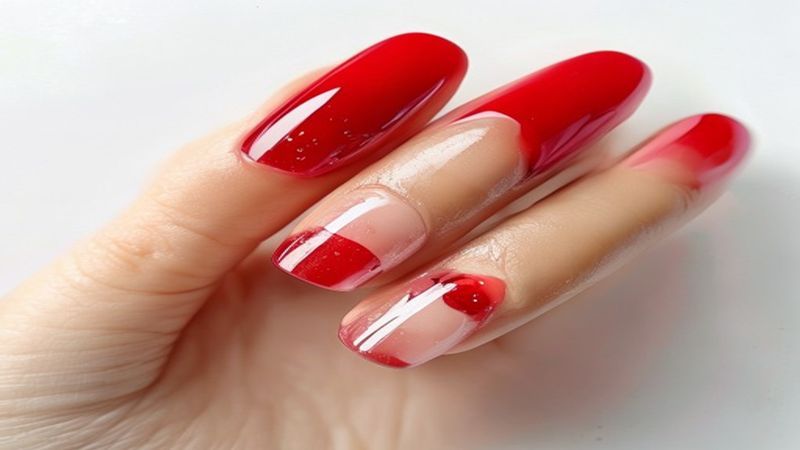
You love your manicure, but your skin is paying the price. Nail polish allergy affects an estimated 2-5% of the population, and its most baffling symptom is that the rash often appears on your face and eyelids rather than on your fingers. If you've been battling unexplained eyelid dermatitis, facial redness, or a persistent rash on your neck, your nail polish — or gel manicure — could be the hidden culprit.
This guide covers the science behind nail polish allergies, the specific chemicals responsible, why reactions show up in unexpected places, and alternatives that let you enjoy color without the consequences. For a broader overview of how contact allergies develop, check out our contact dermatitis guide.
The #1 Allergen in Nail Polish: Tosylamide/Formaldehyde Resin
Tosylamide/formaldehyde resin (TSFR), also known as toluenesulfonamide/formaldehyde resin, is the most common allergen in traditional nail polish. It's a film-forming agent that gives polish its smooth, glossy finish and helps it adhere to the nail plate. TSFR has been identified as a significant allergen in multiple large-scale patch testing studies, with positive reaction rates of 2-5% among tested patients.
Despite its name containing "formaldehyde," the allergic reaction is primarily to the resin itself rather than free formaldehyde. However, some TSFR formulations may contain trace amounts of unreacted formaldehyde, which can cause additional sensitization. This ingredient has been used in nail polish since the 1940s and remains in many conventional polishes today, though the "free-from" movement has led many brands to remove it.
Reactions to TSFR typically develop after repeated exposure — you may use a polish for months or years before becoming sensitized. Once sensitized, reactions can occur within 24-72 hours of application and may persist for weeks after removing the polish, because trace amounts of the allergen remain embedded in the nail plate.
Other Common Allergens in Nail Products
While TSFR is the most well-studied nail polish allergen, several other ingredients can cause problems:
Formaldehyde (methylene glycol): Used as a nail hardener in some polishes and standalone nail treatments. Formaldehyde is both a direct sensitizer and a known carcinogen at high exposures. Nail hardeners can contain up to 5% formaldehyde, which is significantly higher than levels permitted in other cosmetics. Reactions include dermatitis around the nail folds, fingertips, and — through transfer — the face and eyelids.
TPHP (triphenyl phosphate): A plasticizer added to nail polish to improve flexibility and durability. Research from Duke University and the Environmental Working Group detected TPHP metabolites in the urine of every participant within hours of applying polish, indicating it is absorbed through the nail. While TPHP is primarily an endocrine concern rather than an allergen, some individuals report skin sensitivity.
Camphor: Used to give polish a glossy appearance, camphor can be an irritant at high concentrations and is excluded from "5-free" and above formulations. It is more commonly an irritant than a true allergen but can cause nail yellowing and brittleness with prolonged use.
Toluene: A solvent that helps polish apply smoothly and evenly. It is primarily a health concern due to inhalation (nervous system effects) rather than skin allergy, which is why it is one of the original "3-free" exclusions. Nail salon workers are at particular risk from chronic toluene inhalation.
Dibutyl phthalate (DBP): A plasticizer that prevents polish from becoming brittle. Classified as a reproductive toxicant, DBP has been banned in cosmetics in the EU and removed by most brands globally. Like toluene, it is more of a systemic health concern than a skin allergen.
Transfer Dermatitis: Why the Rash Is on Your Face, Not Your Fingers
One of the most confusing aspects of nail polish allergy is that reactions rarely appear on the fingers or around the nails. Instead, they show up on the eyelids, face, neck, and sometimes the sides of the neck and chest. This phenomenon is known as ectopic contact dermatitis or transfer dermatitis.
The explanation is straightforward: the skin of the nail bed and fingertips is among the thickest on the body (approximately 1.5mm), making it relatively resistant to allergen penetration. In contrast, eyelid skin is the thinnest skin on the body at approximately 0.05mm — about 30 times thinner than fingertip skin. When you touch your face, rub your eyes, or rest your chin on your hand, trace amounts of nail polish allergens transfer to these thin-skinned areas and trigger reactions.
This is why nail polish allergy is one of the most commonly missed diagnoses in dermatology. Patients present with eyelid dermatitis or facial rashes and neither they nor their doctor initially considers nail polish as the cause. If you have unexplained eyelid or facial dermatitis, always mention your nail product use to your dermatologist.
Transfer dermatitis from nail products can also affect partners and children — if a parent wearing nail polish frequently touches a baby's face, the baby can develop contact dermatitis from the transferred allergens.
Gel Polish and Shellac Allergies: The Rise of Acrylate Sensitivity
Gel and shellac manicures have surged in popularity due to their durability (2-3 weeks without chipping), but they have also created a new wave of allergic reactions. The primary allergens in gel systems are acrylate monomers, specifically:
- HEMA (2-hydroxyethyl methacrylate): The most common sensitizer in gel polish, present in the majority of UV-cured gel systems. Sensitization rates have been rising rapidly, with some studies reporting up to 2% of the general population showing positive reactions.
- Di-HEMA TMHDC: A larger acrylate molecule used in some "HEMA-free" gel polishes. While less penetrating than HEMA, it can still cause sensitization, and cross-reactivity between different acrylates is common.
- Ethyl cyanoacrylate: Found in nail glues used for tips, wraps, and press-on nails. Related to medical-grade tissue adhesives.
Under-curing is the biggest risk factor: Gel polish monomers are designed to polymerize (cure) under UV/LED light into a solid, inert plastic. Fully cured gel is generally non-allergenic. However, if the UV lamp is weak, old, or the gel is applied too thickly, the bottom layers may remain uncured. This uncured monomer can leach through the nail and contact the surrounding skin, dramatically increasing sensitization risk. Ensuring proper curing — adequate lamp wattage, correct curing time, and thin layers — is critical.
Cross-reactions are a major concern: Acrylate allergy from gel polish can cause reactions to other acrylate-containing materials, including dental composites, medical adhesives, artificial joints, and even some contact lenses. If you develop gel polish allergy, inform your dentist and other healthcare providers.
Understanding "Free-From" Claims: 3-Free Through 10-Free
The "free-from" movement in nail polish has created a hierarchy of formulations that can be helpful but also confusing. Here is what each level typically means:
- 3-Free: Excludes formaldehyde, toluene, and dibutyl phthalate (DBP). This was the original "clean" standard and addresses the most basic health concerns.
- 5-Free: Adds formaldehyde resin (TSFR) and camphor. This is the level that specifically removes the #1 nail polish allergen.
- 7-Free: Adds ethyl tosylamide and xylene. Ethyl tosylamide has been banned in the EU due to antibiotic resistance concerns.
- 10-Free and beyond: Varies by brand but may exclude parabens, fragrances, acetone, animal-derived ingredients, and other compounds. The specific exclusions differ between brands, so always check what a brand's "10-free" actually means.
While higher "free-from" numbers suggest fewer potential irritants, they don't guarantee the product is allergen-free. A "10-free" polish can still contain acrylates or other sensitizers not on the exclusion list. Use SkinDetekt's ingredient checker to screen any nail product's full ingredient list.
Safe Alternatives for Nail Polish Allergy Sufferers
If you've been diagnosed with a nail polish allergy (or strongly suspect one), you don't have to give up nail color entirely. Here are your options:
Water-based nail polishes: These formulations use water and acrylic polymers instead of traditional solvents and resins. They are free of TSFR, toluene, formaldehyde, and most traditional nail polish allergens. The tradeoff is reduced durability (typically 3-5 days vs. 7-10 days for conventional polish), but they are the safest option for TSFR-allergic individuals.
Press-on nails with adhesive tabs: Pre-made press-on nails are cured, inert plastic that is generally non-allergenic. Using adhesive tabs (stickers) instead of liquid glue avoids cyanoacrylate exposure. This is a good option for special occasions when you want a polished look without chemical exposure. However, if you have acrylate sensitivity from gel polish, test a single nail first.
HEMA-free gel polish: If your gel allergy is specifically to HEMA, some brands offer HEMA-free formulations. Be aware that other acrylates in these products may still cause reactions due to cross-reactivity. Ensure proper curing with a high-quality UV/LED lamp.
Nail stickers and wraps: Cured polish strips and wraps applied with heat or pressure avoid liquid chemicals entirely. They are a good compromise between convenience and allergen avoidance.
Buffed natural nails: A high-shine nail buffer can create a glossy, healthy-looking finish without any product at all. Pair with a simple cuticle oil (check for fragrance!) for well-groomed nails.
Identify Your Nail Product Triggers with SkinDetekt
Nail product allergies are tricky because the reactions appear far from the source, making them easy to misdiagnose. If you suspect your manicure routine is causing skin problems, SkinDetekt can help you identify the specific ingredient responsible. Use our ingredient checker to scan any nail polish, gel system, or nail treatment against our database of known allergens — including TSFR, HEMA, formaldehyde releasers, and acrylate monomers. Track your products and reactions in the app to uncover patterns that point to your personal triggers, so you can find alternatives that work for you.
Frequently Asked Questions
Why does my nail polish allergy cause a rash on my face but not my fingers?
This phenomenon is called "ectopic" or "transfer" contact dermatitis. The skin on your fingertips and nail beds is relatively thick and resistant to allergens. However, when you touch your face, eyelids, or neck — areas with much thinner, more sensitive skin — the allergens transfer and cause reactions there. Eyelid skin is only 0.05mm thick (compared to 1.5mm on fingertips), making it extremely vulnerable. This is why dermatologists see many patients with eyelid or facial dermatitis whose actual trigger is a nail product.
What is tosylamide/formaldehyde resin and why is it in nail polish?
Tosylamide/formaldehyde resin (TSFR, also called toluenesulfonamide/formaldehyde resin) is a film-forming agent that gives nail polish its adhesion, glossy finish, and chip resistance. It is the #1 allergen found in traditional nail polish, with sensitization rates of 2-5% in patch-tested patients. Despite its name, the allergy is to the resin itself, not free formaldehyde (though some formulations may also release small amounts of formaldehyde). Most "3-free" and higher polishes have removed TSFR.
Can I be allergic to gel or shellac nail polish?
Yes, and gel/shellac allergies are becoming increasingly common. The primary allergen in gel systems is HEMA (2-hydroxyethyl methacrylate) and di-HEMA TMHDC (di-hydroxyethyl methacrylate trimethylhexyl dicarbamate), which are acrylate monomers that cure under UV light. If the gel is not fully cured (under-cured) due to a weak or old UV lamp, more uncured monomer remains on the nail surface, increasing sensitization risk. Acrylate allergy can also cause reactions to dental materials and medical adhesives.
What does "5-free" or "10-free" nail polish mean?
"Free-from" claims indicate that specific ingredients have been removed. "3-free" excludes formaldehyde, toluene, and dibutyl phthalate (DBP). "5-free" adds formaldehyde resin and camphor. "7-free" adds ethyl tosylamide and xylene. "10-free" and beyond vary by brand but may exclude additional ingredients like parabens, fragrances, and animal-derived ingredients. While these formulations reduce allergen exposure, they are not guaranteed allergen-free — always check the full ingredient list.
Are press-on nails a safe alternative if I have nail polish allergies?
Press-on nails can be a safer option for people with tosylamide/formaldehyde resin allergy, since the cured plastic of the press-on itself is generally non-allergenic. However, the adhesive used to apply press-ons may contain acrylate compounds (cyanoacrylates), which can cause reactions in people with acrylate sensitivity. If you have a known acrylate allergy from gel polish, test a single press-on nail before doing a full set. Adhesive tabs (non-liquid) tend to be better tolerated than liquid glue.
Find your personal cosmetic triggers
SkinDetekt tracks your products and reactions, then uses AI to identify which ingredients cause YOUR skin reactions.
Download on App StoreRelated Articles
Histamine Intolerance and Skin Reactions: Can Your Skincare Make It Worse?
12 min read
Latex Allergy and Cosmetics: Hidden Sources and Safe Alternatives
10 min read
Nickel Allergy in Makeup and Jewelry: Symptoms, Hidden Sources & Safe Products
11 min read
How to Repair a Damaged Skin Barrier: Signs, Causes & Recovery
12 min read