Can Expired Skincare Cause Breakouts and Irritation?
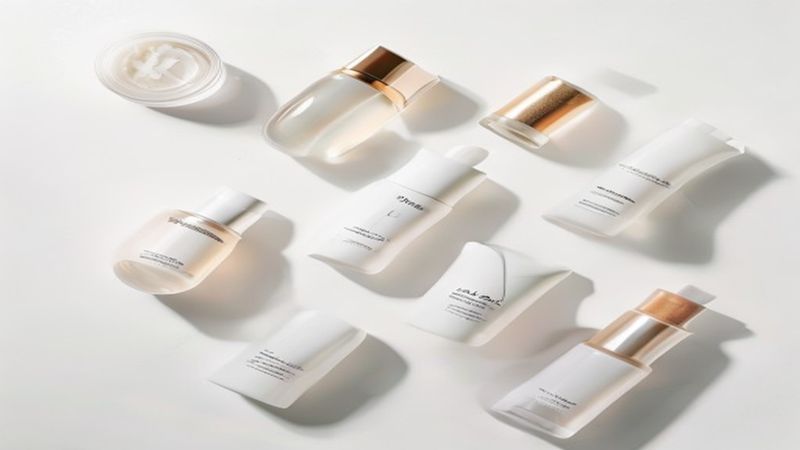
That moisturizer that's been sitting on your shelf for two years — is it still safe to use? What about the sunscreen from last summer or the serum you bought on sale and forgot about? Using expired skincare is more common than most people realize, and while it won't always cause problems, it can lead to breakouts, irritation, infections, and reduced product effectiveness.
This guide explains exactly what happens to skincare products as they age, how to read expiration dates and PAO symbols, the specific risks of using expired products, and how to tell if a product has gone bad even before its stated expiry date.
Understanding Skincare Expiration: PAO, Shelf Life & Expiry Dates
There are three different ways that skincare product lifespan is communicated, and understanding the distinctions matters:
Period After Opening (PAO)
The PAO symbol — a small open-jar icon with a number like "6M" or "12M" — tells you how many months the product remains safe and effective after first opening. Required by EU regulation on all cosmetic products with a shelf life exceeding 30 months, PAO is the most relevant date for most consumers because product degradation accelerates significantly once the sealed environment is broken and the product is exposed to air, fingers, and bathroom humidity.
Common PAO periods:
- 3M (3 months): Mascara, liquid eyeliner — short PAO due to high infection risk near the eyes
- 6M (6 months): Natural/preservative-free products, vitamin C serums, some eye creams
- 12M (12 months): Most moisturizers, serums, cleansers, and foundations
- 18-24M: Lip products, powder cosmetics, petroleum-based products
Best Before Date (BBD)
Products with a total shelf life of less than 30 months (from manufacture) must display a "best before" date in the EU, often shown as an hourglass symbol followed by a date. This applies regardless of whether the product has been opened.
Lot/Batch Codes
Every cosmetic product has a batch code — a series of numbers and letters stamped or printed on the packaging. While not consumer-facing, these codes encode the manufacturing date. Online tools like CheckCosmetic and Cosmetic Calculator can decode batch codes for most major brands if you want to determine when a product was manufactured.
What Happens to Ingredients Over Time
Skincare products are complex chemical formulations, and multiple degradation processes occur simultaneously as products age:
Preservative Breakdown
Preservatives are specifically designed to be chemically reactive — they kill microorganisms by interacting with their cellular machinery. But this reactivity also means preservatives "use themselves up" over time. As preservative concentration drops below the effective threshold, microbial growth begins. A 2019 study published in the International Journal of Cosmetic Science found that preservative efficacy can drop by 50% or more within 12-18 months after opening, depending on storage conditions.
Low-concentration preservative systems — common in "clean beauty" products that avoid traditional preservatives in favor of gentler alternatives — may fail even faster.
Oxidation of Active Ingredients
Antioxidant ingredients are particularly vulnerable to degradation because their entire purpose is to neutralize free radicals — which means they react readily with oxygen. Key examples:
- Vitamin C (L-ascorbic acid): Oxidizes when exposed to air and light, turning from clear/light to yellow, then brown. Oxidized vitamin C not only loses its efficacy but may actually generate free radicals, potentially doing the opposite of what it's intended to do.
- Retinol: Degrades with light and air exposure. Encapsulated retinol is more stable but still degrades over time once the product is opened.
- Essential oils: Oxidized tea tree oil and oxidized linalool (a common fragrance ingredient) are significantly more allergenic than their fresh forms. A study in Contact Dermatitis showed that oxidized linalool caused positive patch test reactions in 5-7% of tested patients, compared to less than 1% for fresh linalool.
Emulsion Separation
Most moisturizers, lotions, and creams are emulsions — mixtures of water and oil held together by emulsifying agents. Over time, these emulsifiers can degrade, causing the formula to separate. Visible separation (water pooling on top, graininess, or oil slicks) is a clear sign that a product has expired. Even before visible separation occurs, microscopic destabilization can alter how the product distributes on and absorbs into the skin.
pH Drift
The pH of a product can shift over time as ingredients degrade and interact. This is especially significant for products that rely on a specific pH for efficacy (like AHAs, which need a low pH to exfoliate) or for products where pH affects preservative function (many preservatives are only effective within a narrow pH range). pH drift can render actives ineffective while simultaneously allowing microbial growth.
Bacterial and Fungal Growth in Expired Products
Perhaps the most concerning risk of expired skincare is microbial contamination. Once preservatives fail, water-containing products become an ideal growth medium for bacteria and fungi. Studies have isolated various pathogens from expired cosmetic products, including:
- Pseudomonas aeruginosa — an opportunistic pathogen that can cause skin infections and is particularly dangerous near the eyes
- Staphylococcus aureus — commonly associated with skin infections and can worsen acne
- Escherichia coli — indicates fecal contamination, typically from unclean hands dipping into product jars
- Candida species — yeasts that can cause fungal skin infections
- Aspergillus and Penicillium — molds that can grow in expired products, particularly in humid bathroom environments
A 2015 study in the Journal of Applied Microbiology tested used cosmetic products from consumer volunteers and found that 67% of products tested positive for at least one type of microbial contamination, with contamination levels increasing significantly with product age and frequency of use. Beauty blenders and mascara wands were the most contaminated items.
Applying bacteria-laden products to the face can cause or worsen acne (introduction of Cutibacterium acnes and S. aureus), folliculitis (infection of hair follicles), styes and conjunctivitis (from contaminated eye products), and impetigo or cellulitis in severe cases (particularly in immunocompromised individuals).
Signs a Product Has Gone Bad
Even before the stated expiry or PAO date, a product may degrade due to improper storage, contamination, or manufacturing variability. Watch for these warning signs:
- Color change: Yellowing, darkening, or any noticeable shift from the original color. Vitamin C serums turning brown is the classic example, but any color change indicates chemical degradation.
- Smell change: A rancid, sour, or "off" smell different from the original scent. Oxidized oils develop a distinctive rancid odor. If a fragrance-free product develops a noticeable smell, something has degraded.
- Texture change: Separation (water and oil layers), graininess, lumpiness, unusual thickness, or thinning. Emulsion breakdown is a reliable indicator of expiration.
- Visible mold or growth: Any fuzzy spots, unusual particles, or discoloration that looks biological. Discard the product immediately.
- Changed performance: The product no longer absorbs, spreads, or performs as it originally did. Active ingredients have likely degraded.
- Skin reactions: If a previously well-tolerated product suddenly causes stinging, redness, or breakouts, expiration is a possible explanation — especially if you haven't changed anything else in your routine.
When in doubt, throw it out. No skincare product is worth risking a skin infection or allergic reaction.
How to Store Skincare Products Properly
Proper storage can significantly extend the effective life of your products and reduce contamination risk:
- Keep products out of direct sunlight. UV radiation accelerates the degradation of almost every active ingredient, preservative, and fragrance compound. Store products in a cabinet or drawer, not on a sunny windowsill.
- Avoid bathroom heat and humidity. The warm, humid bathroom environment accelerates microbial growth and chemical degradation. Consider storing heat-sensitive products (retinol, vitamin C) in a cool, dry location or even in a skincare fridge.
- Close lids tightly after use. Air exposure drives oxidation and provides entry for microorganisms. Squeeze out excess air from tubes before closing.
- Use clean hands or tools. Never dip wet or dirty fingers into product jars. Use a clean spatula or choose pump-dispensed products that minimize contamination risk.
- Choose pump and tube packaging over jars. Jar packaging exposes the entire product to air and finger contamination with every use. Airless pumps provide the best protection against both oxidation and contamination.
- Write the opening date on the product. Since PAO starts counting from when you open the product, write the date you first opened it on the container with a marker. This eliminates the guesswork about whether it's still within its PAO period.
Product-by-Product Shelf Life Guide
| Product Type | Typical PAO | Key Risk When Expired |
|---|---|---|
| Mascara | 3-6 months | Eye infections (styes, conjunctivitis) |
| Liquid eyeliner | 3-6 months | Eye infections |
| Vitamin C serum | 3-6 months | Oxidation, loss of efficacy, potential irritation |
| Moisturizer (jar) | 6-12 months | Bacterial contamination, breakouts |
| Moisturizer (pump) | 12 months | Preservative failure, formula separation |
| Sunscreen | 6-12 months | Reduced UV protection, irritation |
| Retinol serum | 6-12 months | Loss of efficacy (retinol degrades) |
| Cleanser | 12 months | Surfactant degradation, contamination |
| Liquid foundation | 6-12 months | Breakouts, contamination, color change |
| Lip balm/lipstick | 12-18 months | Rancid oils, off taste/smell |
| Powder products | 24 months | Lower risk (no water = less microbial growth) |
| Petroleum jelly | 24-36 months | Very stable; low risk |
When Expired Products & Ingredient Sensitivities Overlap
Expired products create a particularly problematic situation for people with sensitive or allergy-prone skin. When ingredients degrade, they can form new chemical compounds that you may not have been exposed to before — compounds that can act as sensitizers even if you tolerated the original ingredient perfectly well.
The most documented examples of this phenomenon include oxidized linalool and oxidized limonene (fragrance compounds that become significantly more allergenic when oxidized), oxidized tea tree oil (fresh tea tree oil has moderate sensitization potential; oxidized tea tree oil is a much stronger sensitizer), and degraded preservatives that no longer protect the product but may form irritating or sensitizing breakdown products.
If you have a history of skin sensitivities, being strict about product expiration dates is especially important. Don't push products past their PAO period, and pay attention to any changes in how a product looks, smells, or feels.
SkinDetekt helps you stay on top of your skincare safety. Use our free ingredient checker to analyze the ingredients in your current products and identify any that are particularly sensitive to degradation. Download the app to track your full product inventory and get proactive reminders about product freshness and ingredient safety.
Frequently Asked Questions
Can expired moisturizer cause acne breakouts?
Yes. Expired moisturizers can cause breakouts through several mechanisms: (1) Preservative breakdown allows bacterial and fungal proliferation in the product, which transfers to your skin and can infect pores. (2) Oil oxidation produces comedogenic (pore-clogging) byproducts. (3) Degraded emulsifiers cause the formula to separate, altering the way the product interacts with your skin. (4) Increased free fatty acids from lipid degradation can disrupt the skin's microbiome and trigger inflammatory acne. If you're experiencing unexplained breakouts, check your product dates.
What does the PAO symbol on skincare mean?
PAO stands for Period After Opening — the small open-jar icon with a number (e.g., "12M" or "6M") found on cosmetic packaging. This indicates how many months the product remains safe and effective after you first open it. For example, "12M" means the product should be used within 12 months of opening. PAO is an EU regulatory requirement for products with a shelf life exceeding 30 months. It is more relevant than the manufacturing date because product degradation accelerates significantly once the product is exposed to air, bacteria, and environmental contaminants.
How long do different skincare products last after opening?
General PAO guidelines: Mascara and liquid eyeliner: 3-6 months. Liquid foundation: 6-12 months. Moisturizers and serums in jars: 6-12 months. Moisturizers and serums in pumps: 12 months. Sunscreen: 6-12 months (or per expiry date). Lip products: 12-18 months. Cleansers: 12 months. Powder products (eyeshadow, blush): 24 months. Petroleum jelly and anhydrous balms: 24-36 months. Products with active ingredients (retinol, vitamin C) may degrade faster — vitamin C serums can oxidize within 3-6 months.
Is it dangerous to use expired sunscreen?
Using expired sunscreen is risky because the UV filters degrade over time, reducing the product's ability to protect against UVA and UVB radiation. A study published in the Journal of the American Academy of Dermatology found that expired sunscreens may retain as little as 50-70% of their original SPF. Additionally, chemical UV filters like avobenzone and oxybenzone can break down into compounds that may irritate the skin. Always check the expiry date on sunscreen, and replace it at least annually.
Can expired skincare products cause allergic reactions?
Yes, though it is uncommon. When preservatives degrade, the product becomes a breeding ground for bacteria and fungi, which can trigger inflammatory skin reactions. More importantly, some ingredients form new chemical compounds as they break down — and these degradation products can be sensitizing even if the original ingredient was well-tolerated. For example, oxidized tea tree oil is significantly more allergenic than fresh tea tree oil. Oxidized fragrance compounds (particularly linalool and limonene) are also more sensitizing than their fresh forms.
Find your personal cosmetic triggers
SkinDetekt tracks your products and reactions, then uses AI to identify which ingredients cause YOUR skin reactions.
Download on App StoreRelated Articles
Histamine Intolerance and Skin Reactions: Can Your Skincare Make It Worse?
12 min read
Latex Allergy and Cosmetics: Hidden Sources and Safe Alternatives
10 min read
Nickel Allergy in Makeup and Jewelry: Symptoms, Hidden Sources & Safe Products
11 min read
How to Repair a Damaged Skin Barrier: Signs, Causes & Recovery
12 min read