Tea Tree Oil Allergy: Symptoms, Causes & Safe Alternatives
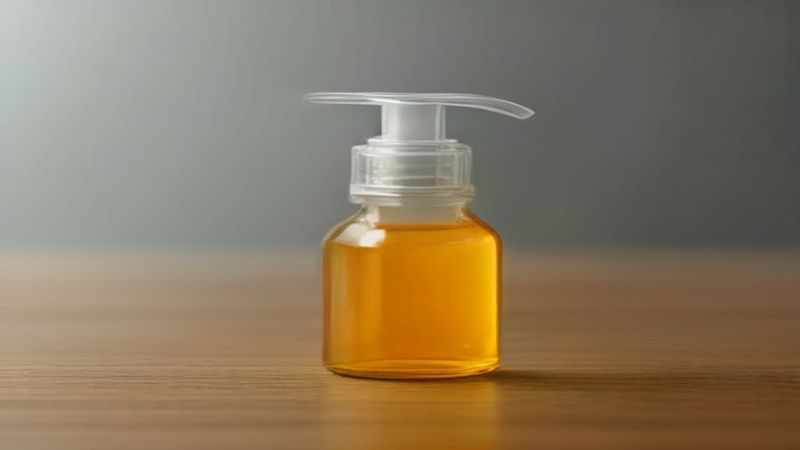
Tea tree oil has one of the more misleading reputations in skincare. Marketed as a gentle, natural alternative to harsher acne treatments, it is actually one of the more allergenic ingredients you can put on your face — allergic contact dermatitis has been documented in an estimated 5% of regular users, a rate higher than many synthetic preservatives it is often chosen to avoid. The reason has less to do with the oil itself than with what happens to it after the bottle is opened.
Why "Natural" Doesn't Mean Low-Risk
Tea tree oil (Melaleuca alternifolia leaf oil) is a complex mixture of over 100 terpene compounds, the most studied of which — terpinen-4-ol — is responsible for most of its antimicrobial effect. The problem is oxidation: once a bottle is opened and exposed to air, light, and heat, the oil's terpenes gradually break down into secondary compounds, including ascaridole and various peroxides, that are considerably more sensitizing than the fresh oil. Multiple case series and patch-test studies have identified these oxidation products — not the fresh terpinen-4-ol — as the primary drivers of allergic reactions. This is exactly why a bottle that has been open and sitting in a bathroom cabinet for a year is riskier than a fresh one, even though nothing on the label has changed.
Symptoms of Tea Tree Oil Allergy
Allergic contact dermatitis to tea tree oil typically develops 24 to 72 hours after application — not immediately — and presents as:
- Redness and itching localized to the area of application, often spreading slightly beyond the exact contact site.
- Small blisters, bumps, or a rash that can range from mild to a more pronounced blistering eruption.
- Dryness, scaling, or peeling as the reaction progresses or is repeated.
Less commonly, tea tree oil has been associated with more immediate hypersensitivity reactions — itching, throat tightness, and light-headedness within minutes of exposure — and, rarely, systemic reactions including anaphylaxis. These immediate-type reactions are uncommon but underscore that "essential oil" is not synonymous with "low risk."
Allergy vs. Irritation: Telling Them Apart
Because tea tree oil is potent even when it is not causing a true allergic reaction, distinguishing irritation from allergy matters for deciding whether you can keep using it at a lower concentration or need to avoid it entirely:
- Irritation is dose-dependent and non-immune. It happens to almost anyone who applies too much or uses it undiluted, causes stinging and redness fairly quickly, and improves promptly once you dilute the product or reduce frequency.
- Allergy is immune-mediated and requires prior sensitization. It has a delayed onset (often a day or more), does not scale predictably with dose, and will recur every time you use the product — even a well-diluted, fresh one — until you stop entirely.
If reactions keep recurring despite diluting the product or switching to a fresher bottle, that pattern points toward true allergy rather than simple irritation, and formal patch testing by a dermatologist (tea tree oil is included in extended contact-allergen series) can confirm it.
Reducing Your Risk If You Still Want to Use It
If you are not allergic but want to minimize irritation and sensitization risk:
- Buy smaller bottles and replace them regularly — every 3-6 months — rather than keeping one bottle for a year or more.
- Store it in a dark, cool place with the cap tightly sealed between uses to slow oxidation.
- Always dilute before applying to skin. Undiluted tea tree oil is a common cause of irritant reactions regardless of allergy status.
- Choose products with a stated terpinen-4-ol percentage rather than unlabeled bulk essential oil, so you have some sense of potency and freshness.
- Patch test on your inner forearm for 48 hours before applying any new tea tree oil product to your face.
Safer Alternatives for Acne and Antimicrobial Use
If you are using tea tree oil primarily for its antimicrobial, acne-fighting effect, several alternatives have more predictable dosing and better-characterized allergy profiles:
- Benzoyl peroxide — see our guide to benzoyl peroxide allergy vs. irritation for how to tell the two apart.
- Salicylic acid — a BHA exfoliant with well-documented irritation (rather than allergy) as its primary side effect; see our salicylic acid irritation guide.
- Azelaic acid — generally the gentlest of the three, and a reasonable option if you find both of the above too drying.
Check Before You Apply
Tea tree oil hides in more products than you might expect — not just spot treatments, but cleansers, toners, and even some shampoos marketed for "problem skin." Use SkinDetekt's free ingredient checker to scan a product's full ingredient list before you buy, and if you suspect a reaction, log it in the app to see whether tea tree oil (or its oxidation-prone relatives, like other essential oils) shows up as a recurring pattern across the products that trigger you.
Frequently Asked Questions
How common is tea tree oil allergy?
Allergic contact dermatitis to tea tree oil has been reported in roughly 1 in 20 (about 5%) of people who use it regularly, based on dermatology case series and patch-test data — making it one of the more allergenic "natural" ingredients in skincare, despite its reputation as a gentle, plant-derived option. This is notably higher than the allergy rate for many synthetic preservatives it is often used to replace.
Why does old tea tree oil cause more allergic reactions than fresh oil?
Tea tree oil oxidizes on exposure to air, heat, and light. As it ages, its terpene components break down into oxidation products — including ascaridole and various peroxides — that are considerably more sensitizing than the oil's original compounds. A bottle that has been open for six months to a year carries a meaningfully higher allergy risk than a freshly opened one, even though the label and scent may seem unchanged. Storing tea tree oil in a dark, cool, tightly sealed bottle and replacing it every few months reduces this risk.
What are the symptoms of a tea tree oil allergic reaction?
Classic allergic contact dermatitis from tea tree oil appears as redness, itching, and small blisters or bumps at the site of application, typically emerging 24-72 hours after exposure — distinct from the immediate, dose-dependent stinging of simple irritation. In more pronounced cases, the reaction can spread beyond the original application site, blister, or weep. Rare but documented severe reactions include immediate hypersensitivity with throat tightness and light-headedness, and systemic reactions including anaphylaxis, though these are uncommon.
Is tea tree oil irritation the same as tea tree oil allergy?
No. Irritation is a non-immune reaction caused by tea tree oil's inherent potency, especially at high or undiluted concentrations — it causes stinging, dryness, and redness in almost anyone who applies too much, and improves quickly once you dilute or stop use. True allergy is an immune-mediated response that requires prior sensitization, can appear with a delay of one to three days, and will recur with any future exposure regardless of concentration, even in a diluted, oxidation-controlled product.
What can I use instead of tea tree oil for acne?
Benzoyl peroxide and salicylic acid are the two most evidence-backed acne-fighting alternatives, both with well-characterized allergy profiles and predictable dosing (unlike tea tree oil, whose active-compound concentration varies by product and by age of the oil). Azelaic acid is a gentler alternative for people who find benzoyl peroxide and salicylic acid too irritating. If you are specifically drawn to tea tree oil for its antimicrobial properties, look for products with a stated, standardized terpinen-4-ol concentration and a recent manufacture date rather than pure essential oil sold in bulk.
Find your personal cosmetic triggers
SkinDetekt tracks your products and reactions, then uses AI to identify which ingredients cause YOUR skin reactions.
Download on App Store